Blog

  • Why Pop-Up Exhibitions in Abandoned Buildings Are Trending

    Why Pop-Up Exhibitions in Abandoned Buildings Are Trending

    The Rise of Pop-Up Exhibitions Inside Forgotten Spaces

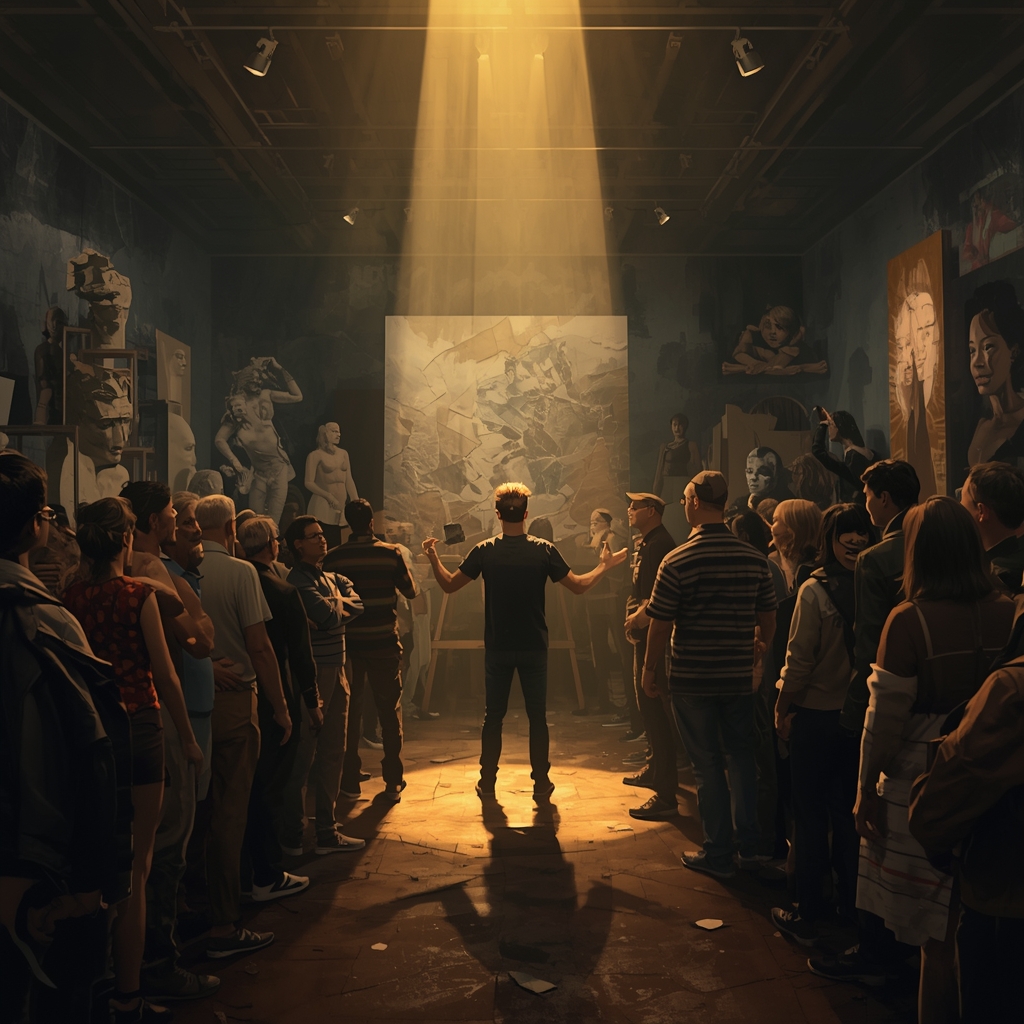
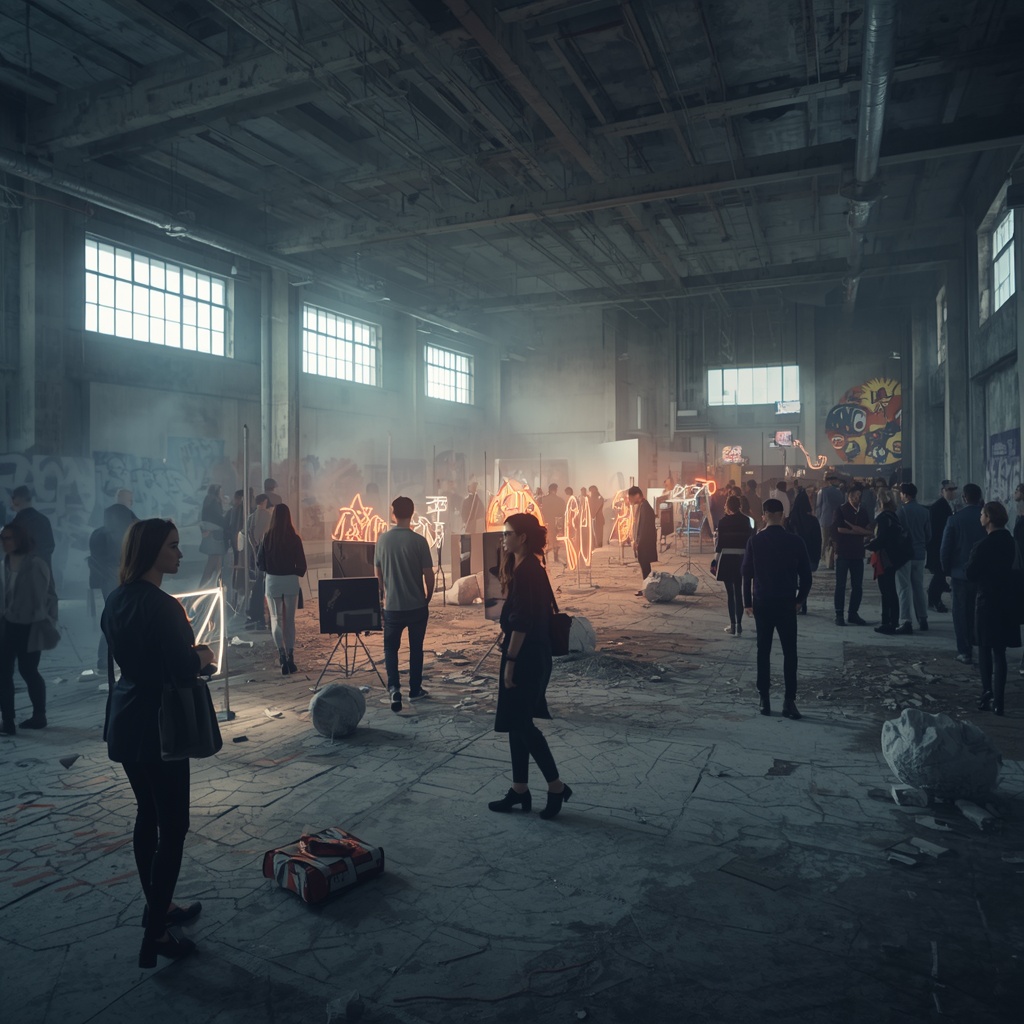
    Pop-Up Exhibitions Inside Abandoned Buildings Are Trending because people are tired of predictable galleries and polished white walls. Instead, artists, curators, photographers, and creative brands now search for raw, emotional spaces that instantly create atmosphere. Empty factories, abandoned schools, unused train stations, and forgotten warehouses suddenly become immersive art destinations filled with light projections, music, sculptures, and interactive experiences.

    This trend keeps growing across major cities because it blends urban exploration, modern art, architecture, and social media culture into one unforgettable experience. Visitors no longer want to simply “look” at art. They want to feel it, record it, and share it online.

    As a result, abandoned buildings have transformed from neglected spaces into cultural hotspots almost overnight. – artitudesgallery


    What Makes These Exhibitions Different From Traditional Galleries?

    Traditional galleries often feel formal and distant. Meanwhile, abandoned-building exhibitions feel alive, chaotic, and emotionally intense.

    Instead of silent rooms with framed artwork, visitors might discover:

    • Neon installations inside broken hallways
    • Digital projections on cracked concrete walls
    • Live music echoing through empty factories
    • Sculptures surrounded by rusted machinery
    • Interactive rooms with smoke, mirrors, and sound effects

    The environment itself becomes part of the artwork.

    That is exactly why these events attract younger audiences searching for something more immersive and less conventional.


    Why Abandoned Buildings Create Strong Emotional Impact

    The Atmosphere Feels Raw and Authentic

    Abandoned spaces naturally contain history, decay, and mystery. Peeling paint, shattered windows, and old industrial textures create visual depth that modern galleries simply cannot replicate.

    Artists use these imperfections to enhance emotional storytelling.

    For example, an exhibition about climate anxiety inside a deteriorating warehouse instantly feels more powerful than the same artwork displayed in a clean museum.

    The location amplifies the message.


    Visitors Feel Like Urban Explorers

    Another reason the trend exploded is the feeling of discovery. Many visitors describe these exhibitions as entering a hidden world.

    People love experiences that feel secretive or temporary because they create urgency and exclusivity. When someone hears about an underground art event happening for only three nights inside an abandoned hotel, curiosity immediately takes over.

    This combination of art and adventure keeps audiences engaged longer.


    Social Media Helped This Trend Explode

    Instagram and TikTok Changed Exhibition Culture

    Platforms like Instagram and TikTok completely changed how people experience public art.

    Today, visual impact matters as much as the artwork itself.

    That is why exhibition organizers now prioritize:

    • Dramatic lighting
    • Interactive mirrors
    • Massive installations
    • Projection mapping
    • Cinematic hallways
    • Rooftop viewing areas

    These elements encourage visitors to create videos and photos naturally.

    In many cases, social media becomes free marketing for the event.


    Viral Architecture Creates Curiosity

    People online love contrasts. A luxury fashion installation inside a ruined warehouse immediately grabs attention because it feels unexpected.

    This visual contradiction creates strong engagement online.

    As a result, abandoned buildings become perfect content engines for:

    • fashion campaigns
    • independent artists
    • music launches
    • NFT showcases
    • immersive theater
    • underground cultural festivals

    Who Is Driving This Movement?

    Independent Artists and Creative Communities

    Many independent artists cannot afford expensive gallery spaces. Renting abandoned properties temporarily often costs less while providing more creative freedom.

    Because of that, underground art communities increasingly organize collaborative exhibitions in forgotten urban spaces.

    These creators usually include:

    • photographers
    • mural artists
    • installation designers
    • digital artists
    • sound engineers
    • filmmakers
    • performance artists

    The result feels more experimental and less commercial.


    Brands Are Entering the Scene Too

    Large fashion and lifestyle brands also noticed the popularity of industrial-style exhibitions.

    Brands now use abandoned spaces for:

    • product launches
    • exclusive previews
    • immersive campaigns
    • influencer events
    • limited-time experiences

    The rough architecture creates a cinematic atmosphere that feels modern and edgy.

    Even luxury brands increasingly prefer unfinished industrial aesthetics over traditional venues.


    Where Are These Exhibitions Becoming Popular?

    Major Cities Lead the Trend

    Urban centers with old industrial districts have become ideal locations for pop-up exhibitions.

    Cities frequently associated with this movement include:

    • Berlin
    • London
    • New York City
    • Tokyo
    • Paris
    • Jakarta

    These cities already contain abandoned industrial structures perfect for artistic transformation.

    Additionally, younger audiences in urban areas actively seek alternative entertainment experiences.


    Smaller Cities Are Following Quickly

    Interestingly, the trend is no longer limited to global capitals.

    Smaller cities now convert:

    • empty malls
    • closed cinemas
    • unused churches
    • old hospitals
    • abandoned train depots

    into temporary cultural attractions.

    This shift helps revive neglected neighborhoods while supporting local artists simultaneously.


    Why Younger Audiences Love Temporary Experiences

    Scarcity Creates Excitement

    People value experiences more when they know they will disappear soon.

    A pop-up exhibition lasting only one weekend automatically feels more special than a permanent gallery exhibition.

    This temporary nature creates:

    • urgency
    • exclusivity
    • stronger word-of-mouth marketing
    • higher social media engagement

    Visitors feel they are part of something rare.


    Experiences Matter More Than Ownership

    Modern audiences increasingly prioritize experiences over physical possessions.

    Instead of buying expensive items, many people prefer:

    • immersive events
    • creative festivals
    • unique travel experiences
    • underground concerts
    • interactive exhibitions

    Pop-up art spaces perfectly match this lifestyle shift.


    The Role of Lighting, Sound, and Technology

    Modern Technology Makes Old Spaces Feel Futuristic

    Technology transformed abandoned buildings into immersive environments.

    Exhibitions now frequently include:

    • projection mapping
    • AI-generated visuals
    • synchronized audio systems
    • LED installations
    • holographic effects
    • motion-sensitive artwork

    These technologies create dramatic contrast against deteriorating architecture.

    The mix of decay and futurism feels visually unforgettable.


    Sound Design Changes Everything

    Sound plays a huge role inside abandoned structures because empty spaces naturally produce echoes and atmosphere.

    Curators intentionally use:

    • ambient music
    • industrial sounds
    • cinematic bass
    • spoken-word recordings

    to create emotional immersion.

    Visitors do not simply walk through the exhibition. They experience it physically.


    Are There Risks Behind This Trend?

    Safety Remains a Serious Concern

    Despite the artistic appeal, abandoned buildings can be dangerous.

    Organizers must carefully inspect:

    • structural stability
    • electrical systems
    • emergency exits
    • air quality
    • fire hazards

    Professional event teams often renovate sections temporarily to meet safety regulations.

    Without proper preparation, these spaces can become hazardous quickly.


    Legal Challenges Also Exist

    Not every abandoned building is legally available for public events.

    Some organizers face challenges involving:

    • permits
    • insurance
    • ownership disputes
    • neighborhood complaints

    Because of this, successful exhibitions usually require collaboration between artists, property owners, and city authorities.


    How This Trend Is Changing Urban Culture

    Forgotten Buildings Gain New Purpose

    One fascinating aspect of this movement is urban revitalization.

    Buildings once considered useless suddenly attract:

    • tourism
    • local business traffic
    • media attention
    • cultural investment

    In some cases, temporary exhibitions eventually inspire permanent redevelopment projects.

    Art becomes the first step toward neighborhood transformation.


    Communities Become More Connected

    Pop-up exhibitions also encourage social interaction.

    Visitors often:

    • meet local artists
    • join workshops
    • attend live performances
    • participate in discussions
    • support independent creators

    This community-focused atmosphere feels more personal than traditional museums.


    The Future of Pop-Up Exhibitions Inside Abandoned Buildings

    Immersive Art Will Continue Expanding

    The popularity of immersive experiences shows no sign of slowing down.

    Future exhibitions will likely combine:

    • virtual reality
    • AI interaction
    • live performance
    • cinematic storytelling
    • sensory installations

    inside increasingly unusual urban locations.

    As audiences continue searching for memorable experiences, abandoned spaces will remain attractive creative playgrounds.


    Why Pop-Up Exhibitions Inside Abandoned Buildings Are Becoming the Hottest Urban Art Trend comes down to emotion, atmosphere, and experience. These exhibitions transform forgotten architecture into immersive cultural spaces filled with creativity, storytelling, technology, and social interaction. Instead of polished gallery rooms, visitors now crave raw environments that feel authentic, temporary, and visually unforgettable.

    From underground warehouses in Berlin to hidden industrial spaces in Jakarta, this movement continues reshaping how people experience modern art. As technology evolves and audiences demand deeper emotional engagement, pop-up exhibitions inside abandoned buildings will likely become even bigger in the years ahead.
  • Inside the Creative Process of Artists Who Break Every Rule

    Inside the Creative Process of Artists Who Break Every Rule

    They Ignore the Rules—and Win: Inside the Creative Process of Artists Who Break Every Rule

    artitudesgallery – They Ignore the Rules—and Win: Inside the Creative Process of Artists Who Break Every Rule reveals a simple truth: the most memorable creators don’t wait for permission—they take action. Instead of following the same old formula, they challenge it. As a result, they create work that feels fresh, bold, and impossible to ignore.

    So, what exactly drives them? Why do they succeed while others play it safe? And more importantly, how can you apply the same mindset without losing direction?

    Let’s dive straight into it.


    What Does It Mean to Break Every Rule?

    First, They Learn—Then They Challenge

    Rule-breaking artists don’t act blindly. Instead, they study the fundamentals first. After that, they question what feels repetitive or outdated. For example, Pablo Picasso mastered realism before he reshaped art through Cubism.

    Then, They Replace Structure with Strategy

    Rather than creating random chaos, they make intentional choices. In other words, they treat rules as tools—not limitations. Because of this, their work feels both surprising and purposeful.


    Who Are These Rule-Breaking Artists?

    They Exist in Every Creative Field

    You can find them everywhere. For instance:

    • Musicians mix genres that “shouldn’t” work together
    • Writers break traditional storytelling patterns
    • Designers ignore trends and build new ones
    • Filmmakers experiment with time, structure, and perspective

    Creators like Banksy, David Bowie, and Quentin Tarantino didn’t follow the system. Instead, they reshaped it.

    They Share the Same Core Traits

    Although they work in different industries, they consistently show:

    • Curiosity that never stops
    • Courage to take risks
    • A strong drive to stand out

    Because of these traits, they keep pushing boundaries.


    Where Does Their Creative Energy Come From?

    They Look Beyond Their Own Industry

    Instead of staying in one lane, they explore multiple worlds. For example, they draw ideas from:

    • Science
    • Street culture
    • Technology
    • Philosophy

    As a result, they combine unexpected elements into something new.

    They Build Environments That Encourage Freedom

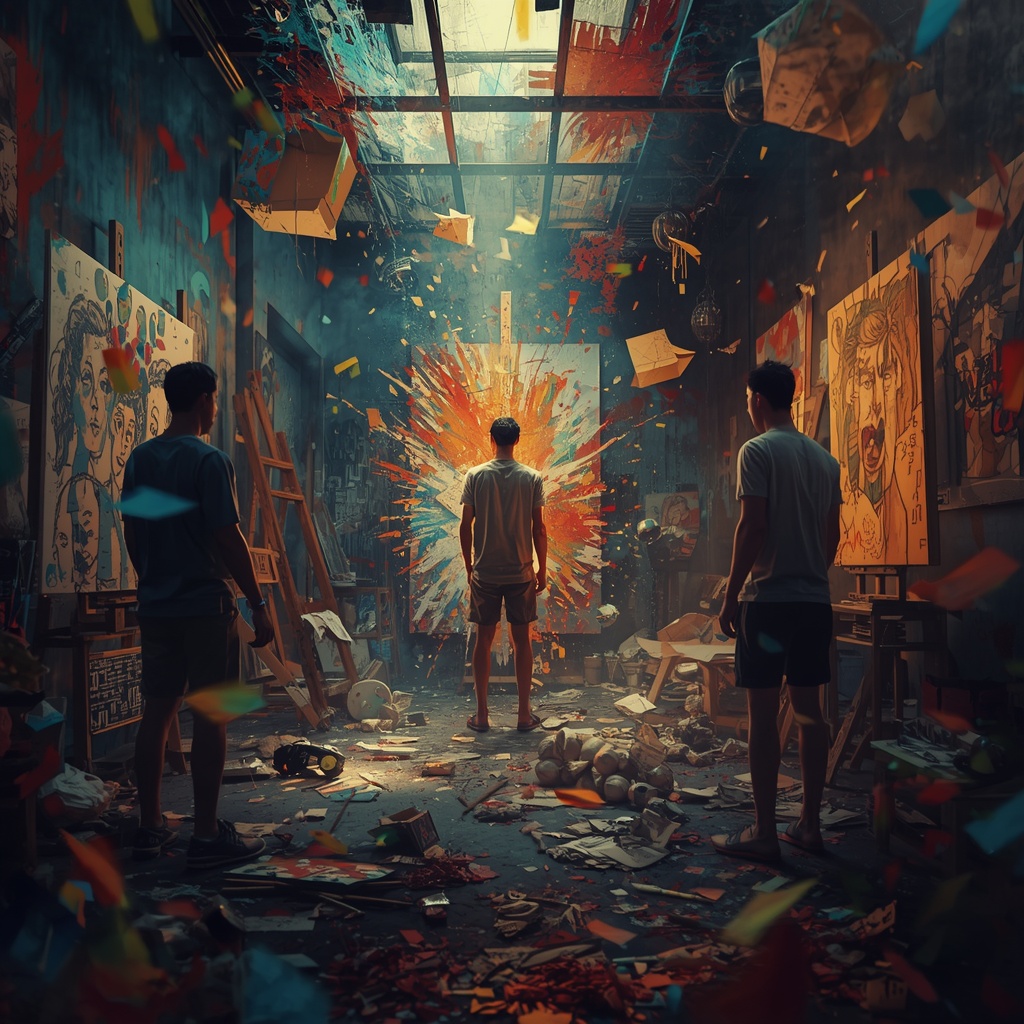
    At the same time, they create spaces where ideas can grow freely. Whether it’s a messy studio or a digital workspace, they prioritize experimentation over perfection.


    When Do They Break the Rules?

    They Act When Patterns Feel Stale

    They don’t break rules randomly. Instead, they wait for the right moment—such as when:

    • Trends become predictable
    • Audiences lose interest
    • Creativity starts to feel repetitive

    At that point, they step in and disrupt the pattern.

    However, They Know When to Hold Back

    Even so, they don’t break everything. They balance innovation with clarity. Because of that, their work still connects with audiences.


    Why Do Rule-Breaking Artists Succeed?

    They Capture Attention Instantly

    When something breaks expectations, people notice. Naturally, curiosity kicks in. As a result, audiences engage more deeply.

    They Choose Authenticity Over Approval

    Instead of chasing validation, they express their true ideas. Consequently, their work feels real—and people connect with it on a deeper level.


    How Their Creative Process Actually Works

    Step 1 – They Absorb Relentlessly

    First, they gather ideas from everywhere—books, art, conversations, and experiences.

    Step 2 – They Break Down the Norm

    Next, they analyze what’s common. They ask:

    • What keeps repeating?
    • What feels predictable?
    • What no longer excites people?

    Step 3 – They Twist the Formula

    After that, they experiment. For example, they:

    • Reverse expectations
    • Combine unrelated ideas
    • Push certain elements further

    Step 4 – They Iterate Without Fear

    Finally, they test their ideas. If something fails, they adjust quickly. Because of this, they improve faster than most.


    The Risks They Face

    Not Every Idea Works

    Of course, experimentation comes with risk. Sometimes, ideas miss the mark.

    They Still Move Forward Despite Criticism

    Even when people criticize their work, they keep going. Instead of stopping, they refine their approach.


    How You Can Apply This Mindset

    Start by Challenging One Rule

    You don’t need to change everything at once. Instead, pick one assumption and question it.

    Ask Smarter Questions

    Rather than asking:

    • “What should I follow?”
      Try asking:
    • “What can I change?”

    Build Your Own Creative System

    At the same time, create a structure that allows flexibility. This way, you stay creative without losing focus.


    Real Examples That Prove It Works

    Music That Broke Expectations

    Billie Eilish changed pop music by stripping it down and embracing darker tones.

    Films That Redefined Storytelling

    Christopher Nolan reshaped narratives by playing with time and perspective.

    Art That Challenged Reality

    Salvador Dalí transformed surrealism into a global movement by rejecting traditional realism.


    The Psychology Behind It All

    They Push Past Comfort Zones

    Instead of staying safe, they actively seek discomfort. Because of this, they discover new ideas.

    They Replace Fear with Curiosity

    Rather than fearing failure, they focus on what they might learn. As a result, they keep moving forward.


    Common Misconceptions

    “They’re Just Naturally Gifted”

    In reality, they build their skills through consistent practice and experimentation.

    “They Ignore All Rules”

    Actually, they understand the rules deeply—then they choose when to break them.


    Why Breaking Rules Can Transform Your Creativity

    They Ignore the Rules—and Win: Inside the Creative Process of Artists Who Break Every Rule proves that creativity thrives on bold decisions. Instead of waiting for approval, these artists act, experiment, and refine their ideas continuously.

    So, if you want to stand out, start small—but start now. Challenge one rule, test one idea, and push one boundary. Over time, those small changes can lead to breakthroughs that truly set your work apart.

  • Secret Galleries & Quiet Masterpieces: Underrated Art Collection

    Secret Galleries & Quiet Masterpieces: Underrated Art Collection

    artitudesgallery – Hidden Gems: Underrated Art Collections Worth Discovering is more than just a phrase—it’s an invitation to explore the overlooked corners of the art world where creativity quietly thrives. While blockbuster museums grab headlines, smaller, lesser-known collections often hold deeper stories, unexpected beauty, and a more personal connection to art itself. So, if you’re tired of crowded galleries and predictable exhibits, you’re in the right place.


    Why Hidden Art Collections Deserve Your Attention

    Let’s get straight to it—what makes underrated art collections so compelling?

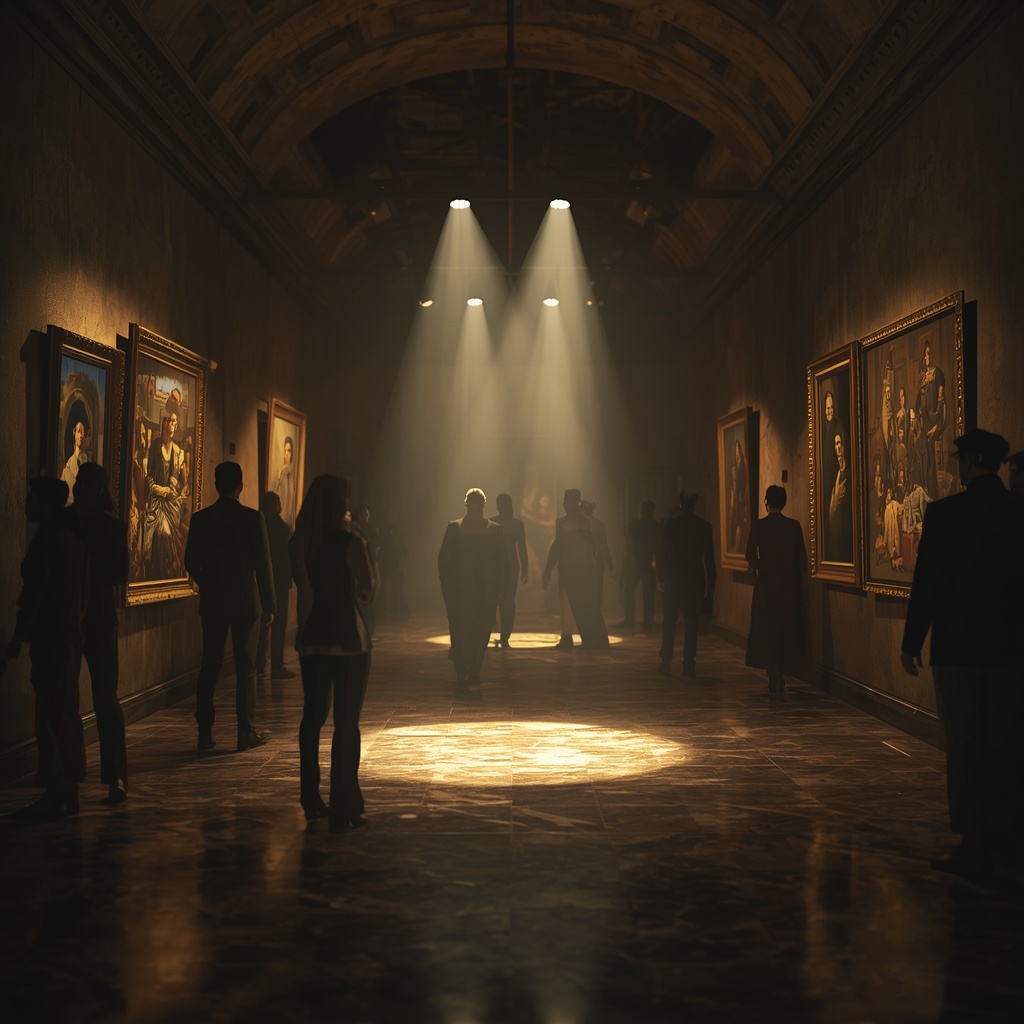
    First, they offer authenticity. You won’t be elbowing through crowds just to glimpse a painting. Instead, you get space, silence, and time to actually feel the work.

    Second, they often highlight emerging or forgotten artists—who might not yet be household names but deserve recognition.

    And finally, these collections are usually curated with passion rather than profit, which changes everything about the experience.


    What Counts as a “Hidden Gem” in Art?

    A hidden gem isn’t just a small gallery tucked away in a side street. It can be:

    • Private collections open to the public
    • Regional museums overshadowed by bigger institutions
    • Digital archives that haven’t gone viral
    • Specialty exhibitions focused on niche themes

    In short, it’s any collection that flies under the radar but delivers serious artistic value.


    Where to Find Underrated Art Collections

    You don’t need a plane ticket to find them—though travel helps.

    Local Museums Often Hold the Real Treasure

    Start with smaller museums in your city or nearby towns. These places often house works tied to regional identity, history, and culture.

    University Galleries Are Goldmines

    Many universities maintain art collections that are open to the public. These are curated by scholars and often feature experimental or academic pieces.

    Pop-Up Exhibitions and Temporary Installations

    Keep an eye on local listings. Temporary shows often showcase bold, unconventional artists.


    Who Benefits from Exploring These Hidden Spaces?

    Short answer: everyone.

    • Artists gain inspiration from lesser-known styles.
    • Collectors discover undervalued works.
    • Casual visitors enjoy a more relaxed, meaningful experience.

    If you’ve ever felt overwhelmed in a major museum, these spaces offer a refreshing alternative.


    When Is the Best Time to Explore Hidden Art Collections?

    Timing matters more than you think.

    • Weekday mornings are ideal for quiet visits
    • Seasonal exhibitions often rotate in spring and fall
    • Art festivals can spotlight lesser-known collections temporarily

    So, if you want the full experience, plan ahead—but stay flexible.


    Why These Collections Often Go Unnoticed

    Let’s be honest—visibility is everything.

    Most hidden collections lack the marketing budgets of major institutions. They rely on word-of-mouth, niche audiences, or local support. As a result, even exceptional works remain undiscovered.

    Another factor? People tend to follow trends. If a gallery isn’t trending online, it gets ignored—even if it’s extraordinary.


    How to Identify a True Hidden Gem

    Not all “underrated” collections are worth your time. Here’s how to spot the real ones:

    Look for Curatorial Depth

    A strong collection tells a story. It’s not random—it’s intentional.

    Check Artist Diversity

    Collections featuring a mix of emerging and established artists often offer richer perspectives.

    Evaluate the Atmosphere

    Sometimes, the environment itself—lighting, layout, silence—makes the experience unforgettable.


    Exploring Digital Hidden Gems

    You don’t always have to step outside.

    Online Archives and Virtual Museums

    Many institutions digitize their collections but don’t heavily promote them. These platforms can be treasure troves of rare works.

    Independent Artist Platforms

    Websites and communities showcasing independent creators often highlight raw, unfiltered talent.


    The Emotional Impact of Discovering Underrated Art

    Here’s where it gets personal.

    Unlike mainstream exhibits, hidden collections often feel like your discovery. There’s a sense of ownership, of being in on something special. That emotional connection sticks with you longer than any famous painting behind glass.

    You’re not just observing art—you’re engaging with it.


    Tips for Making the Most of Your Visit

    Want to level up your experience? Try this:

    • Take your time—don’t rush through rooms
    • Read the descriptions, even the small ones
    • Talk to curators or staff when possible
    • Keep a journal or snap notes for later reflection

    Small actions, big difference.


    Common Mistakes to Avoid

    Even seasoned art lovers slip up.

    • Ignoring lesser-known sections of a museum
    • Skipping local listings for exhibitions
    • Judging a collection by its size or location

    Remember, greatness doesn’t always come with a spotlight.


    How Hidden Gems Shape the Future of Art

    This is where things get interesting.

    Underrated collections often act as incubators for new ideas. They give artists space to experiment without pressure. Over time, many of today’s celebrated movements started in these quiet corners.

    So, by exploring them, you’re not just looking at art—you’re witnessing its evolution.


    Why Hidden Gems: Underrated Art Collections Worth Discovering Truly Matter

    Hidden Gems: Underrated Art Collections Worth Discovering isn’t just about finding obscure galleries—it’s about changing how you experience art altogether. When you step away from the mainstream and explore these lesser-known spaces, you unlock a deeper, more personal connection to creativity. You discover stories others overlook, artists who deserve recognition, and moments that stay with you long after you leave. So next time you’re searching for inspiration, skip the obvious and chase the hidden—because that’s where the real magic lives.

  • Art Doesn’t Have to Be Perfect: Why Flawed Works Sell

    Art Doesn’t Have to Be Perfect: Why Flawed Works Sell

    artitudesgallery – Art Doesn’t Have to Be Perfect: Why “Flawed” Works Sell in the Market is now truly changing how people view beauty. In the past, people always pursued works that were neat, symmetrical, and looked flawless. However, now, works that appear “imperfect” actually attract attention and generate high selling value. So, what has really changed?


    What Is Imperfect Art? Not Just Randomly Different

    First of all, it is important to understand that imperfect art does not mean careless work. On the contrary, creators deliberately include elements of “imperfection” as part of the concept.

    Characteristics of Imperfect Art

    For example, you can see:

    • Lines that are intentionally not straight
    • Colors that go beyond boundaries
    • Rough textures
    • Compositions that look unusual

    In other words, artists intentionally create “flaws” to build a unique character.


    Who Likes This Kind of Art Style?

    Next, we need to look at who the main target of this trend is. Currently, the younger generation plays a big role in changing market preferences.

    New Generation Changes the Standard

    Young people tend to:

    • Appreciate authenticity
    • Reject old standards
    • Like things that feel honest

    Therefore, they are more interested in works that feel alive rather than simply beautiful.


    Where Is This Trend Growing Rapidly?

    It cannot be denied that digital media has significantly accelerated this trend.

    Social Media Becomes the Main Engine

    Platforms like Instagram, TikTok, and Pinterest actively promote unique works. In fact, algorithms often boost content that is different from the majority.

    As a result, imperfect works become easier to go viral.


    When Did This Trend Start Rising?

    If we look back, this trend actually appeared a long time ago. However, the big surge happened in the digital era.

    Changes Happened Gradually

    Initially, this trend began to appear in the early 2010s. Then, after 2020, its popularity increased drastically. In addition, the pandemic also encouraged people to experiment without the pressure of standards.


    Why Do Imperfections Actually Sell?

    Now we get to the core of the discussion. There are several strong reasons why “imperfect” works sell well.

    1. Feels More Human

    First, imperfect works feel closer to reality. People instantly feel connected because they see a reflection of real life.

    2. More Unique and Different

    Moreover, perfection often produces similar works. In contrast, imperfection creates an identity that is hard to replicate.

    3. Contains a Story

    Furthermore, every “imperfection” usually carries a story. And of course, stories make works more valuable.


    How to Create Imperfect Art That Still Looks Attractive

    Even though it looks free, you still need a strategy so the result does not appear random.

    Use Mistakes Intentionally

    For example, you can:

    • Let lines go off-track
    • Add spontaneous paint splashes

    However, remember that all of this must still have a purpose.

    Prioritize Emotion

    Instead of focusing on technique, you should focus on the message you want to convey. That way, the work feels more alive.


    What Is the Impact on the Creative Industry?

    As this trend develops, the creative industry also changes.

    Creators Become More Free

    Now, designers and artists are no longer tied to old rules. They can experiment without limits.

    Brands Start Following the Trend

    Interestingly, many brands begin to use styles such as:

    • “Messy” visuals
    • Irregular typography
    • Raw design

    As a result, their content feels more authentic and engaging.


    Who Are the Artists Embracing This Style?

    Currently, many modern creators actively develop this style.

    Characteristics of Their Works

    Usually, they:

    • Dare to be different
    • Reject classical norms
    • Focus on expression

    Thus, they do not only create works but also shape new trends.


    How Does the Market Respond?

    Interestingly, the market responds to this trend very positively.

    Why Do These Works Sell?

    Because they:

    • Provide a new experience
    • Feel personal
    • Do not look forced

    As a result, people become more interested in buying.


    What Is the Connection with Consumer Psychology?

    If we look deeper, this trend is closely related to human psychology.

    Relatable Effect

    When people see something imperfect:

    • They feel more comfortable
    • They do not feel inferior
    • They connect more easily

    In other words, imperfection creates emotional closeness.


    What About the Future of This Trend?

    Looking at current developments, this trend will not disappear anytime soon.

    It Will Continue to Grow

    Because:

    • Creators become braver
    • Audiences become more open
    • Digital platforms continue to support

    Therefore, this trend will become even stronger.


    Tips to Make Imperfect Art Still Sell

    To succeed, you still need direction.

    Focus on Value

    First, determine the main message of the work.

    Build Consistency

    Next, maintain a consistent style.

    Use Storytelling

    Finally, use storytelling to strengthen appeal.


    Mistakes to Avoid

    Even though it is free, there are still limits to maintain.

    Do Not Be Random

    Without a concept, the work will lose direction.

    Avoid Overdoing It

    If it is too extreme, the work becomes difficult to understand.


    Imperfection Becomes a New Strength

    Art Doesn’t Have to Be Perfect: Why “Flawed” Works Sell in the Market shows that the creative world continues to evolve. Now, artists no longer pursue perfection alone. Instead, they use imperfection as their main strength. With the right approach, works that look “flawed” can actually attract attention, build emotional connections, and generate high selling value.

  • Art Exhibitions & Events: Cara Seru Nikmati Pameran Seni Hype

    Art Exhibitions & Events: Cara Seru Nikmati Pameran Seni Hype

    Art Exhibitions & Events have become one of the most popular activities today, attracting not only art lovers but also anyone looking for fresh, aesthetic, and inspiring experiences. From modern galleries to open-air art festivals, these events offer unique ways to enjoy creativity while socializing. Curious about what makes them so appealing? Let’s break it down in a clear and engaging way. – artitudesgallery


    What Are Art Exhibitions & Events?

    Art Exhibitions & Events are organized activities that showcase artworks such as paintings, sculptures, installations, and even digital creations in a specific space or event setting. These are typically hosted by galleries, museums, creative communities, or even brands that blend art with immersive experiences.


    Who Should Attend These Art Events?

    The answer is simple: almost everyone.
    Including:

    • Art enthusiasts, both classic and modern
    • Students who want to learn something new
    • Content creators searching for aesthetic visuals
    • Couples looking for unique date ideas

    You don’t need to be an art expert to enjoy the experience.


    Where Are Art Exhibitions Usually Held?

    Locations vary widely and often add to the overall vibe:

    • Modern galleries in city centers
    • Historic museums
    • Public spaces like parks
    • Repurposed warehouses turned into creative hubs

    Each venue creates a different atmosphere, making every event feel unique.


    When Is the Best Time to Visit Art Exhibitions & Events?

    Timing depends on the type of event:

    • Weekdays: quieter, perfect for a relaxed visit
    • Weekends: more lively, often with performances
    • Evening events: dramatic ambiance with artistic lighting

    If you prefer a calm experience, visiting earlier is a smart choice.


    Why Are Art Exhibitions & Events Becoming So Popular?

    There are several reasons behind the rising trend:

    • They offer unique visual experiences
    • Perfect for social media content
    • Combine art with technology (immersive art)
    • Provide a relaxing escape from daily routines

    Additionally, many events are now interactive, allowing visitors to actively engage with the artwork.


    How to Enjoy an Art Exhibition to the Fullest

    1. Keep an Open Mind

    Don’t stress about understanding every piece. Focus on how it makes you feel.

    2. Read the Artwork Descriptions

    Short explanations often help you understand the context.

    3. Follow the Exhibition Flow

    Curators usually design a specific journey through the artworks.

    4. Capture the Moment

    Take photos or videos, but respect the event rules.


    Types of Art Exhibitions You Should Try

    Traditional Art Exhibitions

    Showcase classic works like paintings and sculptures.

    Contemporary Art

    More experimental and often uses unconventional media.

    Digital & Immersive Art

    Combines technology like projection mapping and VR.

    Art Festivals

    Large-scale events featuring workshops and live performances.


    Tips to Make Your Experience More Memorable

    • Wear comfortable yet stylish outfits
    • Go with friends or a partner
    • Join guided tours if available
    • Take your time, don’t rush

    A relaxed approach helps you appreciate every detail.


    The Role of Technology in Modern Art Exhibitions

    Technology now plays a huge role in the art world:

    • Augmented Reality (AR) experiences
    • Interactive sensor-based installations
    • NFT and digital art
    • Immersive rooms

    These elements make art feel more alive and engaging.


    Art Exhibitions as Networking Opportunities

    Beyond enjoying art, these events are great for meeting:

    • Artists
    • Curators
    • Collectors
    • Creative brands

    If you’re entering the creative industry, this is a golden opportunity.


    Common Mistakes When Attending Art Events

    Avoid these:

    • Moving too quickly from one piece to another
    • Ignoring available information
    • Focusing only on photos instead of the experience

    Art appreciation takes time, not just a quick scroll.


    How to Find Nearby Art Events

    You can:

    • Follow gallery social media accounts
    • Check event platforms online
    • Join art communities
    • Ask for recommendations from friends

    Most exciting events are now promoted digitally.


    Why You Should Start Now

    Because the experience goes beyond what any screen can offer. You get to feel the atmosphere, the energy, and the story behind each artwork in real life. It’s not just about seeing—it’s about feeling.


    Art Exhibitions & Events are more than just places to view art—they are spaces to explore ideas, emotions, and creativity in a real and immersive way. By understanding what, who, where, when, why, and how to enjoy them, you can turn every visit into a meaningful experience. So, start exploring the world of Art Exhibitions & Events today and discover inspiration in every corner.

  • Artist Showcase: Display Your Art and Get Noticed Fast

    Artist Showcase: Display Your Art and Get Noticed Fast

    What Is an Artist Showcase and Why It Matters

    Artist Showcase: Proven Strategies to Display Your Art and Get Noticed Faster gives you a powerful way to present your work, build your identity, and attract real opportunities. Instead of simply uploading artwork, you actively shape how people see and understand your creativity.

    Moreover, an artist showcase clearly answers key questions: what you create, who you are, why your work stands out, where people can find you, when you stay active, and how you deliver value through your art. – artitudesgallery


    Why Every Artist Needs a Strong Showcase Today

    First, you need visibility. Without a showcase, your work stays hidden. However, when you build a strong presence, you increase your chances of being discovered.

    In addition, a well-structured showcase builds trust. People instantly see your style, consistency, and professionalism. As a result, clients and collectors feel more confident working with you.


    When to Start and How to Stay Consistent

    Start now. Don’t wait for perfection.

    Instead, choose your best available work and publish it. Then, update your showcase regularly. For example, add new pieces every few weeks and refine older ones.

    Over time, consistency builds momentum. Consequently, your portfolio grows stronger and more credible.


    Where to Publish Your Artist Showcase for Maximum Reach

    To maximize exposure, use multiple platforms strategically.

    Digital Platforms

    First, create a personal website. This gives you full control.
    Next, use Instagram and Pinterest to reach wider audiences.
    Then, publish on platforms like Behance and Dribbble to connect with professionals.

    Offline Opportunities

    At the same time, join exhibitions and creative events. In addition, collaborate with galleries to gain credibility.

    By combining online and offline channels, you expand your reach significantly.


    How to Build a High-Impact Artist Showcase

    1. Select Your Strongest Work

    Focus on quality. Remove anything that feels average.

    2. Keep the Layout Clean

    Use simple designs. As a result, viewers focus directly on your artwork.

    3. Add Clear Descriptions

    Explain:

    • What the artwork represents
    • Why you created it
    • How you executed the idea

    This approach builds connection and clarity.


    Visual Techniques That Instantly Grab Attention

    Strong visuals stop people from scrolling.

    Use High-Resolution Images

    Always upload sharp and clear images. Otherwise, you lose credibility instantly.

    Maintain Consistent Colors

    Choose a consistent color tone. Consequently, your showcase looks more professional.

    Design Eye-Catching Thumbnails

    Create thumbnails that stand out. This increases clicks and engagement.


    How to Use Storytelling to Strengthen Your Work

    People remember stories. Therefore, you should integrate storytelling into every piece.

    Apply Storytelling Effectively

    First, describe your inspiration.
    Then, explain the challenges you faced.
    Finally, show the emotions behind your process.

    As a result, your audience connects with your work on a deeper level.


    Common Mistakes That Reduce Your Impact

    Showing Too Many Works

    Instead of uploading everything, curate your best pieces. This keeps your showcase focused.

    Lack of Consistency

    Maintain a clear style. Otherwise, your audience gets confused.

    Ignoring Updates

    Keep your showcase fresh. If not, people assume you’re inactive.


    Best Platforms to Grow Your Artist Presence

    Personal Website

    Build authority and control your brand.

    Social Media

    Reach audiences quickly and interact directly.

    Creative Marketplaces

    Sell your work and generate income.

    When you combine these platforms, you strengthen your overall presence.


    How to Increase Visibility and Engagement

    After publishing, focus on growth.

    Use Targeted Hashtags

    Choose relevant keywords to improve discoverability.

    Collaborate with Other Artists

    Work together to reach new audiences.

    Stay Consistent

    Post regularly. As a result, algorithms favor your content.


    Turning Your Artist Showcase into Real Income

    A strong showcase creates income opportunities.

    Monetization Strategies

    • Sell original artwork
    • Offer commission-based services
    • Create prints and merchandise

    As your visibility increases, your earning potential grows.


    How to Measure Your Success

    Track your progress using clear metrics:

    • Views and impressions
    • Engagement rates
    • Client inquiries
    • Sales results

    Then, analyze the data and improve your strategy continuously.


    Take Control and Elevate Your Artist Showcase

    Artist Showcase: Proven Strategies to Display Your Art and Get Noticed Faster helps you build a strong creative identity, attract opportunities, and turn your passion into profit. When you actively choose what to present, consistently update your work, strategically select where to publish, and clearly communicate how your art delivers value, you move ahead of the competition. Start today, stay consistent, and let your artist showcase work as your strongest asset.

  • Art Collections Today: Build a High-Value Art Portfolio

    Art Collections Today: Build a High-Value Art Portfolio

    Art Collections Today: Build a High-Value Art Portfolio with Strategy and Personal Meaning has shifted from an exclusive hobby into a smart, modern move. People no longer collect art just to decorate walls—they actively use it to express identity, diversify assets, and tell stories. As a result, the art world has opened its doors wider than ever before.

    What Are Art Collections and Why Do They Matter Now?

    Art collections bring together selected artworks based on taste, intention, and value. In the past, only elite collectors dominated this space. Now, however, anyone can step in and build their own collection. – artitudesgallery

    First, digital platforms give you instant access to global artists. Then, NFT marketplaces reshape how ownership works. At the same time, awareness of art as a long-term investment keeps growing. Because of these shifts, art collecting feels more relevant and approachable.

    Who Should Start an Art Collection?

    You don’t need to wait for the “perfect moment.” Instead, you can start right where you are.

    For example:

    • Young professionals often begin collecting to diversify assets
    • Art lovers move deeper into the field by buying original works
    • Investors explore art as an alternative asset
    • Creators study the market to sharpen their perspective

    In other words, if you feel curious, you already qualify.

    Where Can You Find Your First Artwork?

    Next, you need to know where to look. Fortunately, the options are wide open.

    Local Galleries

    Visit galleries to see artworks directly. This helps you understand texture, scale, and emotional impact.

    Online Platforms

    Browse digital marketplaces to discover thousands of artists. You can compare styles quickly and efficiently.

    Art Fairs and Exhibitions

    Attend events to explore exclusive pieces. More importantly, you can meet artists and learn their stories.

    Social Media

    Follow artists on platforms like Instagram. Many of them sell directly, which makes the process faster and more personal.

    When Should You Start Collecting?

    You don’t need to overthink timing. Instead, focus on momentum.

    However, you can maximize opportunities when:

    • A new art trend starts gaining attention
    • Emerging artists begin to rise
    • You set aside a dedicated budget

    Therefore, starting early gives you an advantage—especially in spotting undervalued work.

    Why Art Collections Offer Real Value

    Art doesn’t just look good—it works strategically.

    First, artwork can appreciate over time. Then, rare pieces attract serious demand. In addition, art often moves independently from traditional markets.

    Even so, you must stay selective. Not every piece will grow in value. That’s why research always comes first.

    How to Start Your Art Collection Step by Step

    Now, let’s break it down into clear actions:

    Define Your Taste

    Choose what resonates with you. Whether it’s abstract, realism, or contemporary art, your taste becomes your compass.

    Set a Budget

    Decide how much you want to invest. You don’t need a large budget to begin.

    Study the Artist

    Learn about the artist’s background, style, and growth potential. This step helps you make smarter decisions.

    Start Small

    Buy smaller pieces first. Then, as your confidence grows, expand your collection.

    Build Connections

    Engage with curators, galleries, and fellow collectors. Strong networks often lead to better opportunities.

    Use Smart Curation to Strengthen Your Collection

    Instead of collecting randomly, curate intentionally.

    For instance:

    • Focus on a clear theme
    • Select works that connect with each other
    • Avoid buying just because something is trending

    As a result, your collection will feel cohesive and meaningful—not scattered.

    Traditional vs Digital Art: Which One Should You Choose?

    At this point, you might wonder which direction to take.

    Traditional Art

    Includes paintings, sculptures, and installations. These pieces offer physical presence and historical depth.

    Digital Art (NFTs)

    Uses blockchain technology. You can trade these assets globally with ease.

    Therefore, many collectors combine both to balance stability and innovation.

    Avoid These Common Mistakes

    Even experienced collectors make errors. However, you can stay ahead by avoiding them early.

    • Don’t buy without research
    • Don’t chase trends blindly
    • Don’t ignore authenticity
    • Don’t neglect proper storage

    Because once mistakes happen, fixing them can be costly.

    How to Protect and Maintain Your Artworks

    After you acquire artwork, you must protect it.

    Start with these steps:

    • Keep pieces away from direct sunlight
    • Use high-quality frames
    • Maintain stable temperature and humidity
    • Clean artworks carefully

    When you take care of your collection, you preserve both its beauty and its value.

    Turn Your Art Collection into Personal Identity

    Interestingly, your collection reflects who you are.

    For example:

    • Your choices reveal your mindset
    • Your style shows your aesthetic direction
    • Your themes express your values

    Because of this, art collecting becomes deeply personal—not just financial.

    What’s Next for Art Collections?

    Looking ahead, technology will keep transforming the space.

    Virtual galleries allow you to display art digitally. Augmented reality lets you visualize pieces in your own room. Meanwhile, global marketplaces remove geographic limits.

    As these tools evolve, art collecting will become even more accessible and dynamic.

    Build More Than a Collection—Build a Story

    Art Collections Today: Build a High-Value Art Portfolio with Strategy and Personal Meaning is not just about acquiring art. Instead, it’s about shaping a narrative that reflects your journey, taste, and vision. Every piece you choose adds a new layer to that story.

    So start now, take action consistently, and enjoy the process—because in art collecting, every step carries meaning.

  • Art Blog: Build a Stunning Blog That Keeps Readers Hooked

    Art Blog: Build a Stunning Blog That Keeps Readers Hooked

    Art Blog Secrets: Build a Stunning Creative Blog That Keeps Readers Hooked

    Art Blog Secrets: Build a Stunning Creative Blog That Keeps Readers Hooked gives you a clear, actionable path to turn your creativity into a powerful online presence. Today, people scroll fast and judge visuals instantly. Therefore, you must grab attention quickly, deliver value, and keep readers engaged from start to finish. That’s exactly where an Art Blog shines.


    Why Art Blogs Still Matter in a Visual-First World

    First, let’s get one thing straight—visual content dominates the internet. However, social media alone doesn’t give you control. In contrast, a blog gives you full ownership and long-term visibility.

    Moreover, an art blog helps you:

    • Build a recognizable creative identity
    • Rank on Google using targeted keywords like art blog and creative inspiration
    • Tell deeper stories beyond short captions

    As a result, your content lasts longer and reaches a wider audience. artitudesgallery


    What an Art Blog Really Is (and Why People Love It)

    Simply put, an Art Blog is a platform where you share creative work, ideas, and insights. You can post illustrations, photography, design concepts, or even your creative process.

    More importantly, people love art blogs because they:

    • Find instant inspiration
    • Learn new techniques
    • Discover fresh perspectives

    In other words, an art blog feeds both curiosity and creativity at the same time.


    Who Should Start an Art Blog Right Now

    You don’t need to wait until you become an expert. Instead, you should start as you learn.

    For example, you can build an art blog if you are:

    • A beginner illustrator
    • A freelance designer
    • A photographer
    • A creative hobbyist

    Ultimately, your unique perspective matters more than perfection.


    Where to Launch Your Art Blog for Maximum Impact

    Next, choose the right platform. Although many options exist, you should focus on what supports growth.

    Here are the top choices:

    • WordPress (best for SEO and flexibility)
    • Blogger (simple and beginner-friendly)
    • Medium (great for storytelling)

    If your goal is to rank on Google, then WordPress gives you the strongest advantage.


    When to Start Your Art Blog (Stop Waiting)

    Now, let’s answer the big question—when should you start?

    Start now.

    Instead of waiting for perfect skills or ideas, take action immediately. Then, improve as you go. Over time, your blog will evolve naturally.

    Remember, consistency always beats perfection.


    Why Some Art Blogs Go Viral Faster

    Not all art blogs grow at the same speed. However, successful ones follow clear patterns.

    For instance, viral art blogs:

    • Use eye-catching visuals
    • Deliver value quickly
    • Write compelling headlines
    • Post consistently

    On the other hand, blogs that fail often lack focus and direction.


    How to Start an Art Blog from Scratch

    Choose a Clear Niche

    First, narrow your focus. Instead of covering everything, pick a specific area like:

    • Digital illustration
    • Minimalist art
    • Typography

    As a result, you attract a more targeted audience.

    Build a Strong Brand Identity

    Next, create a consistent look and feel. Use:

    • A signature color palette
    • A unique visual style
    • A consistent tone

    Consequently, your blog becomes easier to recognize and remember.

    Set Up a Clean Structure

    Then, organize your blog properly. At minimum, include:

    • Homepage
    • Blog section
    • About page
    • Contact page

    A clean structure improves user experience and keeps visitors longer.


    Content Ideas That Drive Traffic Consistently

    After setup, focus on content. Strong content drives growth.

    Use a combination of:

    • Tutorials (how to draw, how to design)
    • Inspiration lists (top art trends)
    • Behind-the-scenes stories

    Additionally, always include:

    • High-quality visuals
    • Clear explanations
    • Subtle call-to-action prompts

    This approach keeps readers engaged and coming back.


    SEO Strategies That Push Your Art Blog to Page One

    Now, let’s talk about visibility. Without SEO, your blog stays hidden.

    Therefore, you should:

    • Target the main keyword: Art Blog
    • Add supporting keywords like creative blog and design tips
    • Link your articles internally
    • Write engaging meta descriptions

    As a result, search engines understand your content better and rank it higher.


    How to Monetize Your Art Blog Step by Step

    Once your traffic grows, you can start earning.

    For example, you can monetize through:

    • Google AdSense
    • Affiliate programs
    • Selling digital products (templates, presets, artwork)
    • Sponsored posts

    Initially, focus on building trust. Then, scale your income gradually.


    Common Mistakes That Slow Down Growth

    Even strong blogs can fail if you ignore key details.

    Avoid these mistakes:

    • Posting inconsistently
    • Using poor design layouts
    • Ignoring SEO
    • Creating generic content

    Instead, stay focused and keep improving consistently.


    Final Takeaways for Long-Term Success

    Art Blog Secrets: Build a Stunning Creative Blog That Keeps Readers Hooked proves that success doesn’t happen by accident. Instead, you must take action, stay consistent, and refine your strategy over time. When you combine strong visuals, clear structure, and smart SEO, your Art Blog can grow into a powerful digital asset that attracts traffic, builds authority, and generates income consistently.

  • Hello world!

    Welcome to WordPress. This is your first post. Edit or delete it, then start writing!