Tag: art and technology

  • Modern Art Collections and Their Hidden Stories Explained

    Modern Art Collections and Their Hidden Stories Explained

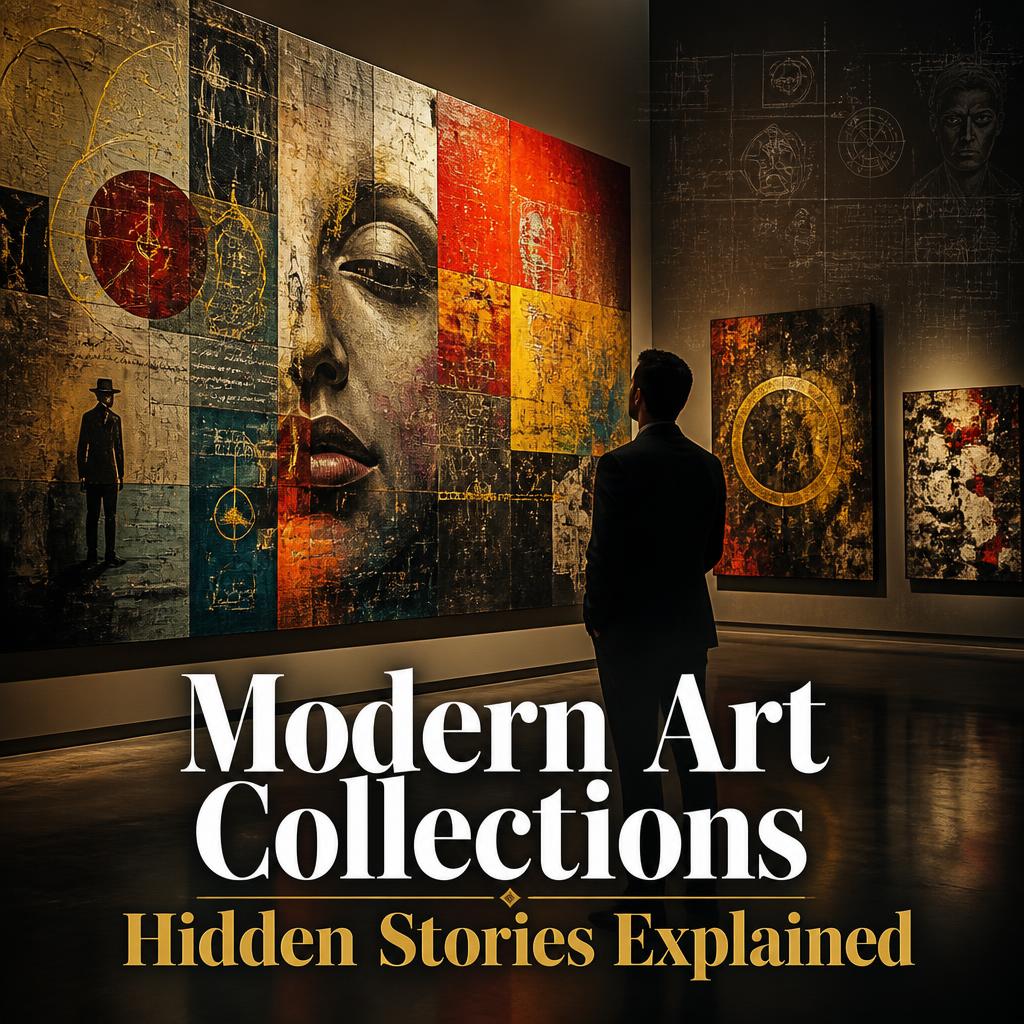
    Modern Art Collections and Their Hidden Stories Explained reveal that every artwork carries more than just colors, shapes, and creative techniques. Behind every painting, sculpture, installation, or mixed-media piece, there are personal experiences, cultural movements, and emotional messages waiting to be discovered. Modern art collections have become a fascinating window into human imagination, showing how artists transform ordinary moments into powerful visual narratives. – artitudesgallery.com

    Understanding the Meaning Behind Modern Art Collections

    Modern art collections are groups of artworks created during the modern art era and beyond, usually focusing on innovation, experimentation, and personal expression. Unlike traditional artworks that often followed strict rules, modern artists explored new approaches through abstract forms, unusual materials, and unique perspectives.

    Many collectors, museums, and private galleries preserve these collections because they represent important changes in society. The artworks often reflect themes such as identity, technology, politics, nature, and human emotions.

    The interesting part is that a modern artwork rarely tells its entire story on the surface. A simple-looking painting may represent years of personal struggle, a response to historical events, or a hidden message about the world around the artist.

    How Modern Artists Create Stories Through Their Work

    Every artist has a different way of communicating ideas. Some use bright colors to express happiness or energy, while others use darker tones to explore complex emotions.

    The Role of Personal Experiences in Modern Art

    Many modern artworks come directly from the artist’s life journey. Childhood memories, relationships, social experiences, and personal challenges often become the foundation of creative ideas.

    For example, an artist may create a collection inspired by a specific location where they spent years living. The artwork may include symbolic objects, familiar landscapes, or abstract patterns that represent personal memories.

    This approach makes modern art collections feel more intimate because viewers are not only looking at an image but also entering a small part of the creator’s world.

    Hidden Symbols and Visual Messages

    One of the most exciting elements of modern art is discovering hidden meanings. Artists often include symbols that require deeper observation.

    A repeated shape may represent an important belief. A specific color combination may reflect an emotional state. Even the choice of material can provide clues about the message behind the artwork.

    Art researchers often study these details through visual analysis, a method used to understand how artistic elements communicate ideas.

    Why Modern Art Collections Matter in Today’s World

    Modern art collections continue to influence culture because they capture the spirit of different generations. They show how people think, feel, and respond to changes happening around them.

    Preserving Cultural and Historical Stories

    Many modern artworks act as visual records of history. They document important moments, social movements, and changing lifestyles.

    Museums often collect modern pieces because they provide future generations with a creative perspective on past events. Instead of reading only written records, people can experience history through colors, textures, and artistic expressions.

    Connecting Different Generations Through Creativity

    Art has a unique ability to connect people from different backgrounds. A painting created decades ago can still create emotional reactions among viewers today.

    Modern art collections encourage conversations between artists, historians, and audiences. They create opportunities for people to discuss different viewpoints and understand diverse experiences.

    Exploring Different Types of Modern Art Collections

    Modern art is not limited to paintings. Today’s collections include various forms of creative expression.

    Contemporary Painting Collections and Their Unique Approaches

    Painting remains one of the most recognized forms of modern art. However, modern painters often move beyond traditional techniques.

    Many artists experiment with:

    • Abstract compositions that focus on emotions rather than realistic images
    • Mixed-media techniques combining different materials
    • Experimental painting styles that challenge normal artistic expectations

    These collections often encourage viewers to create their own interpretations instead of searching for a single answer.

    Sculpture and Installation Art With Deeper Meanings

    Modern sculpture collections often use unconventional materials such as metal, recycled objects, glass, and digital elements.

    Installation art takes this idea further by transforming entire spaces into artistic experiences. Visitors may walk through the artwork, interact with objects, or experience sounds and lighting effects.

    These artworks often explore topics related to technology, environment, and human relationships.

    Digital Art Collections and the Future of Creativity

    Technology has changed how artists create and display their work. Digital art collections now include computer-generated artwork, interactive designs, and virtual experiences.

    Artists use software, artificial intelligence, and digital tools to develop new forms of expression. This creates a connection between creativity and modern technology.

    Digital collections also allow more people worldwide to experience artworks without visiting traditional galleries.

    Famous Themes Found Inside Modern Art Collections

    Modern artists frequently explore universal themes that remain relevant across different cultures.

    Identity and Human Emotion

    Many collections focus on personal identity, exploring questions about who we are and how society shapes our experiences.

    Portraits, abstract figures, and symbolic artworks often represent emotions that words cannot fully explain.

    Nature and Environmental Awareness

    Environmental themes have become increasingly common in modern art collections. Artists use their work to discuss climate change, conservation, and humanity’s relationship with nature.

    Through creative storytelling, artworks can encourage viewers to think differently about environmental challenges.

    Technology and Social Change

    The relationship between humans and technology is another major theme. Modern artists often examine how digital lifestyles influence communication, relationships, and everyday experiences.

    These artworks provide a creative reflection of how society continues to evolve.

    How Museums and Collectors Discover Hidden Stories

    Curators play an important role in explaining the deeper meanings behind modern art collections. They research artist backgrounds, historical contexts, and creative methods.

    The Importance of Art Research

    Professional researchers use art history, interviews, documents, and creative studies to understand artworks.

    They examine:

    • The artist’s background
    • The period when the artwork was created
    • The materials used
    • Social conditions influencing the artist

    This research helps audiences appreciate artworks beyond their visual appearance.

    Private Collectors and Personal Interpretations

    Private collectors often choose artworks because they connect emotionally with specific pieces.

    A collector may see a hidden story that feels meaningful to their own life. This personal connection makes modern art collections even more diverse and interesting.

    The Growing Popularity of Modern Art Collections Online

    The internet has changed how people discover and collect art. Online galleries, virtual exhibitions, and digital marketplaces allow audiences to explore artworks from anywhere.

    Many museums now provide virtual tours, making modern art collections accessible to global communities.

    This digital transformation helps younger generations develop an interest in art while giving artists new platforms to share their creations.

    How to Appreciate Modern Art Like an Experienced Viewer

    Understanding modern art does not require professional training. Anyone can enjoy it by approaching each artwork with curiosity.

    Start by observing the details. Notice the colors, shapes, materials, and emotions you experience. Instead of asking only “What does this mean?”, try asking “Why did the artist create it this way?”

    Learning about the artist’s background can also reveal fascinating connections between the artwork and real-life events.

    Final Thoughts on Modern Art Collections and Their Hidden Stories Explained

    Modern Art Collections and Their Hidden Stories Explained show that every artwork has a deeper conversation waiting beneath its surface. From personal memories and cultural movements to technological innovation and environmental messages, modern art continues to tell stories that connect people across time. Exploring these collections is not only about viewing beautiful creations but also about discovering the emotions, ideas, and hidden meanings that make each piece truly unforgettable.
  • Latest Art Trends Every Creative Person Should Understand

    Latest Art Trends Every Creative Person Should Understand

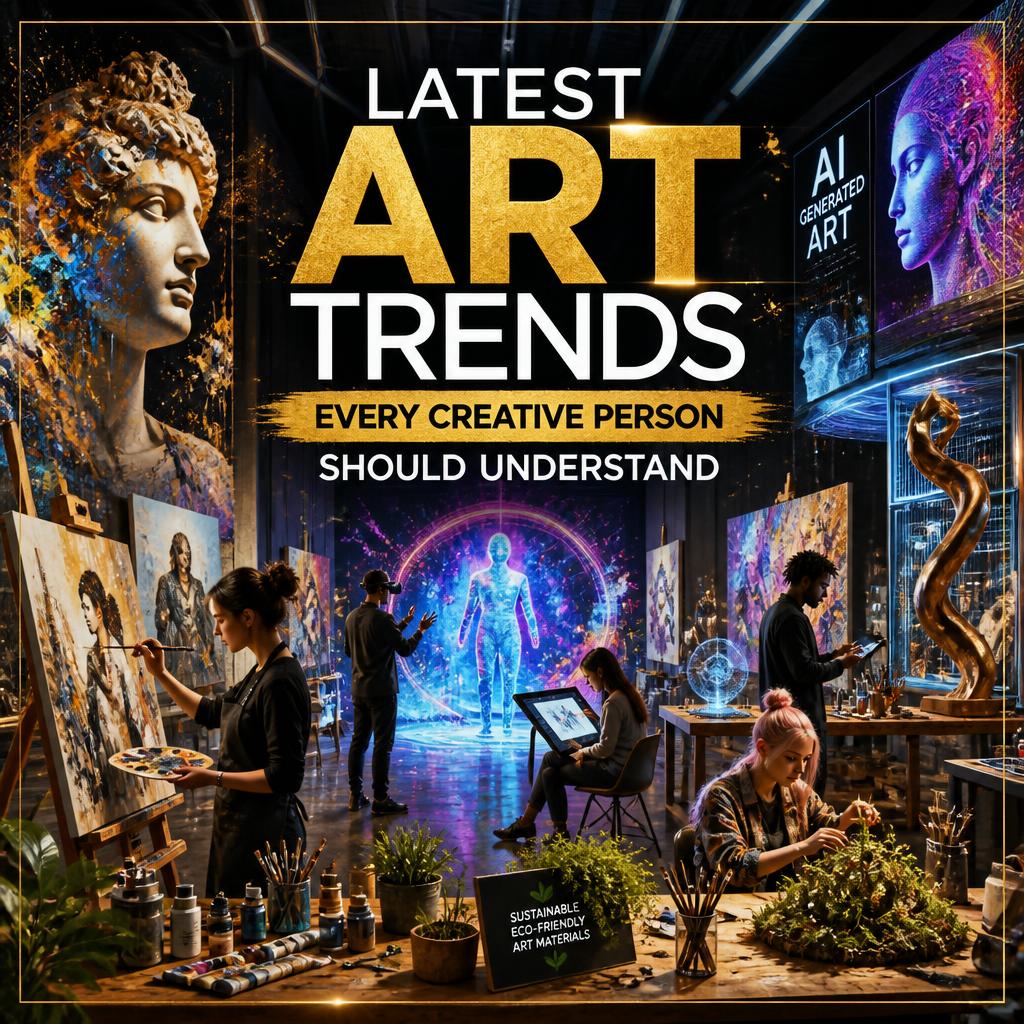
    Latest Art Trends Every Creative Person Should Understand is a complete guide for artists, designers, and creative thinkers who want to stay connected with the changing world of visual expression. Art is never static because it constantly follows human emotions, technology, culture, and social movements. From traditional painting techniques to digital experiences powered by artificial intelligence, modern creativity continues to expand into new directions that influence how people see and interact with art. – artitudesgallery.com

    Understanding Why Art Trends Continue to Change

    Art trends evolve because society itself keeps changing. Every generation creates new visual languages based on its experiences, challenges, and discoveries. Artists today are not limited to canvas, sculpture, or physical galleries. They explore digital platforms, immersive environments, interactive media, and experimental materials.

    The reason behind these changes is simple: artists want to communicate ideas in ways that feel relevant. A creative person who understands current movements can discover fresh inspiration, improve artistic skills, and create work that connects better with audiences.

    The Rise of Digital Art and Creative Technology

    Digital art has become one of the biggest transformations in the creative industry. Many artists now combine traditional methods with advanced software to produce unique visual experiences. Tools such as graphic tablets, 3D modeling programs, and animation platforms allow creators to experiment beyond physical limitations.

    One important development is the use of artificial intelligence (AI) in creative processes. AI tools can assist artists with brainstorming, concept development, color exploration, and visual experimentation. However, human imagination remains the core element because technology works best as a creative partner rather than a replacement.

    How Artificial Intelligence Influences Modern Creativity

    AI-generated artwork has created discussions among artists, designers, and creative communities worldwide. Some people see it as a revolutionary opportunity, while others focus on questions about originality and artistic identity.

    Creative professionals are now learning how to combine personal expression with technological assistance. The most successful approach is usually a balance between human storytelling and digital innovation.

    Artists who understand AI technology can discover new workflows, save time during early production stages, and explore concepts that were previously difficult to visualize.

    Exploring Sustainable and Eco-Friendly Art Movements

    Environmental awareness has influenced many areas of modern creativity, including the art world. Sustainable art focuses on using responsible materials, reducing waste, and highlighting environmental issues through visual storytelling.

    Many contemporary creators use recycled objects, natural materials, and eco-conscious production methods. This approach creates artwork that is not only visually appealing but also carries meaningful messages about the relationship between humans and nature.

    Why Sustainability Matters for Future Artists

    Sustainability is becoming more important because audiences increasingly appreciate creativity that has a positive impact. Artists who consider environmental responsibility can build stronger connections with communities that value ethical practices.

    This movement also encourages innovation because creators must think differently about materials, processes, and presentation methods.

    The Growing Popularity of Immersive and Interactive Experiences

    Modern audiences no longer want to only observe art; they want to experience it. This shift has increased the popularity of immersive installations, virtual reality exhibitions, and interactive artworks.

    Technologies such as virtual reality (VR) and augmented reality (AR) allow viewers to become part of the artwork itself. Instead of standing outside a painting or sculpture, visitors can enter digital spaces and influence their experience.

    Creative professionals are exploring these formats because they create emotional connections that traditional displays sometimes cannot achieve.

    Minimalism Meets Personal Expression in Contemporary Design

    Minimalism remains influential, but modern artists are adding more personality and emotional depth to simple designs. The current approach is not only about removing unnecessary elements but also about creating meaningful visual balance.

    Clean compositions, thoughtful color choices, and intentional details help artwork communicate stronger messages. Many designers now combine minimalist structures with personal stories, cultural influences, and unique artistic identities.

    Discovering New Directions Through Global Art Communities

    The internet has transformed how artists share ideas and discover inspiration. Creative communities now connect people from different countries, backgrounds, and artistic traditions.

    Platforms for portfolios, online exhibitions, and digital collaborations allow emerging artists to gain recognition without depending only on traditional galleries.

    The influence of global communities can be seen in the popularity of cultural fusion, where artists combine different techniques, symbols, and creative philosophies.

    For anyone researching latest art trends, understanding these global connections is important because modern creativity is shaped by conversations between artists across the world, not only by local movements.

    The Influence of Nostalgia and Retro Visual Styles

    Although technology dominates many creative discussions, nostalgia has become another powerful trend. Many artists are bringing back visual elements from previous decades and combining them with modern techniques.

    Retro-inspired designs often include vintage colors, classic typography, old photography styles, and references to historical pop culture. This approach works because familiar visuals can create emotional memories while still feeling fresh.

    How Retro Trends Inspire New Generations

    Young creators often reinterpret older styles instead of simply copying them. They add modern concepts, digital tools, and personal perspectives to create something new.

    This process shows that artistic innovation does not always require completely new ideas. Sometimes, creativity comes from transforming existing influences into original expressions.

    The Role of Personal Identity in Modern Artwork

    Today’s audiences appreciate authenticity more than perfection. Artists are increasingly creating work that reflects personal experiences, beliefs, emotions, and cultural backgrounds.

    Personal storytelling helps artwork become more relatable because viewers can connect with genuine human experiences. This trend encourages creators to focus on their unique voices rather than following every popular style.

    What Creative People Should Prepare for Future Art Movements

    The future of art will likely continue combining technology, human emotion, and cultural awareness. Creative professionals should stay curious, experiment with different mediums, and continue learning new techniques.

    Being adaptable is one of the most valuable skills for artists today. The creative industry rewards people who can explore new ideas while maintaining their personal artistic identity.

    Final Thoughts on Latest Art Trends Every Creative Person Should Understand

    Latest Art Trends Every Creative Person Should Understand shows how creativity continues to grow through innovation, technology, sustainability, and personal expression. Artists who follow these developments can discover new opportunities, improve their creative approach, and produce work that feels meaningful in a changing world. By embracing new possibilities while keeping authentic storytelling at the center, every creative person can become part of the future evolution of art.

  • Creative Showcases That Connect New Audiences With Innovative Ideas

    Creative Showcases That Connect New Audiences With Innovative Ideas

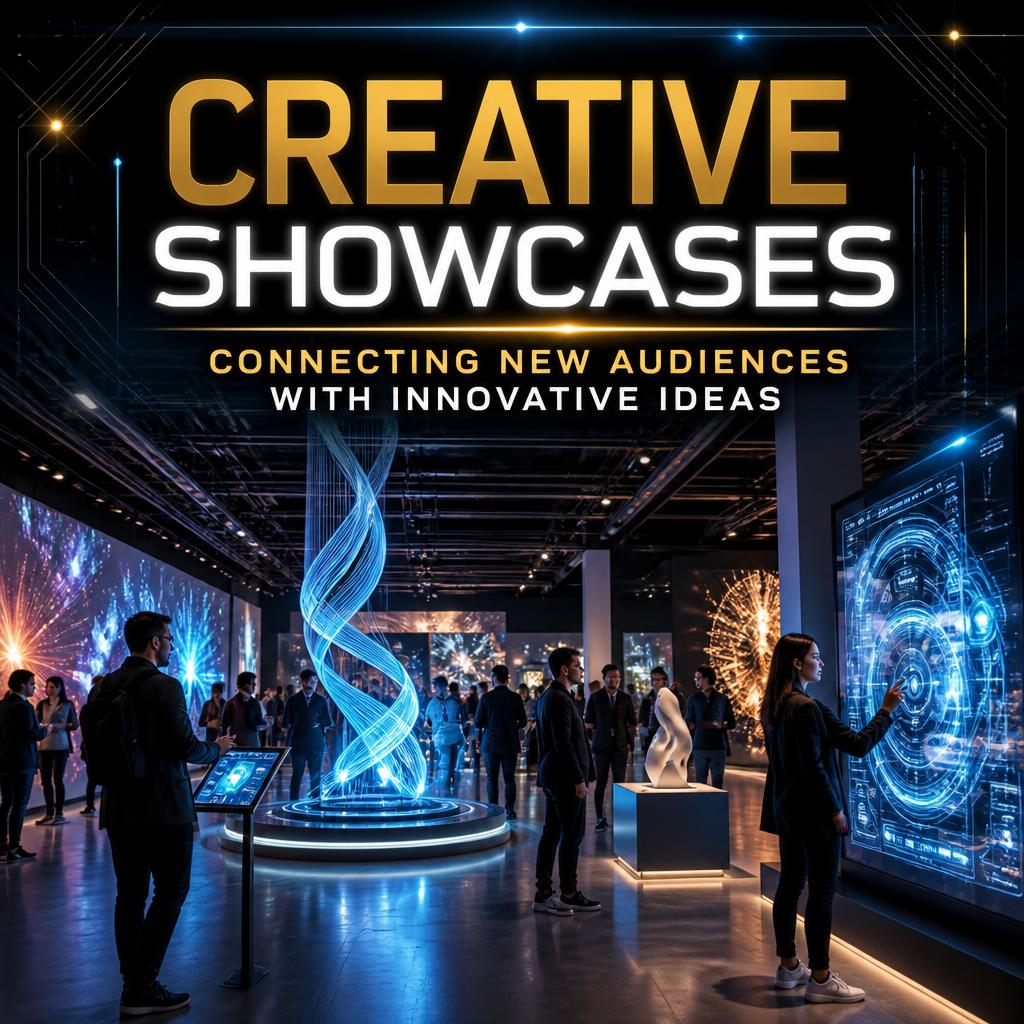
    artitudesgallery.com – Creative Showcases That Connect New Audiences With Innovative Ideas are becoming an important way for creators, organizations, and communities to share fresh perspectives with the world. Modern exhibitions and events are no longer just about displaying objects in a room; they are immersive experiences where art, technology, culture, and storytelling meet to create meaningful connections. From small local gatherings to international creative festivals, these platforms help unique ideas reach people who may never have discovered them otherwise.

    The Growing Role of Creative Exhibitions in Modern Culture

    Creative exhibitions have changed significantly over the years. Traditionally, galleries and events focused mainly on presenting finished works, but today’s audiences expect more interaction, emotional connection, and memorable experiences.

    A successful exhibition combines visual design, storytelling techniques, and audience participation. Visitors are not only observers but also active participants who explore concepts, share opinions, and create personal memories.

    This transformation has made exhibitions valuable tools for artists, entrepreneurs, designers, and cultural organizations that want to introduce new ideas to wider communities.

    Understanding How Events Bring Ideas Closer to New Audiences

    What Makes an Exhibition Truly Engaging?

    An engaging exhibition focuses on creating a journey rather than simply showing information. Every element, from lighting and layout to digital features and presentation style, influences how visitors understand the message behind the event.

    Creative organizers often use experiential design to build environments that stimulate curiosity. This approach considers human emotions, movement patterns, and sensory responses to make the experience more powerful.

    For example, an interactive technology exhibition may allow visitors to test new inventions, while an art event may encourage people to contribute their own interpretations.

    Who Benefits From Creative Events?

    Creative events benefit many groups, including:

    • Artists who gain exposure and opportunities to connect with audiences.
    • Businesses that introduce innovative products and concepts.
    • Communities that celebrate local talent and cultural identity.
    • Visitors who discover inspiration and new knowledge.

    These events create a bridge between creators and people who might otherwise never encounter their work.

    Where Creative Exhibitions Are Finding New Opportunities

    Today, creative exhibitions appear in many different locations. Traditional museums and galleries remain popular, but unexpected spaces are also becoming creative destinations.

    Urban areas often transform warehouses, outdoor spaces, historical buildings, and public areas into temporary exhibition venues. This approach creates a sense of discovery because audiences experience creativity in places they do not normally associate with art.

    Digital platforms have also expanded possibilities. Virtual exhibitions, online showcases, and hybrid events allow creators to reach international audiences without geographical limitations.

    The Importance of Storytelling in Audience Connection

    Why Stories Make Exhibitions More Memorable

    People naturally connect with stories. A collection of objects or images becomes more meaningful when visitors understand the background, purpose, and emotions behind them.

    Strong storytelling helps audiences answer important questions:

    • Why was this creation made?
    • Who inspired the idea?
    • What problem does it solve?
    • How does it relate to everyday life?

    Many successful exhibitions use narrative architecture, a concept where the physical arrangement of an event guides visitors through a carefully designed story.

    Instead of moving randomly from one display to another, visitors experience a structured journey that creates stronger emotional engagement.

    Technology Transforming the Future of Creative Events

    Technology continues to reshape how exhibitions are created and experienced. Tools such as augmented reality (AR), virtual reality (VR), artificial intelligence, and interactive displays provide new ways for audiences to participate.

    For example, AR applications can add digital information to physical displays, allowing visitors to explore additional layers of content through smartphones or smart devices.

    Creators are also using data analytics to understand visitor behavior. These insights help organizers improve layouts, personalize experiences, and design events that better match audience expectations.

    The combination of creativity and technology has opened opportunities for more inclusive and accessible experiences. People from different backgrounds can now engage with creative content in ways that fit their preferences.

    Exhibitions and Events Bringing Creative Ideas To New Audiences Through Innovative Approaches

    Many organizations now focus on making exhibitions more accessible, interactive, and community-driven. Exhibitions and Events Bringing Creative Ideas To New Audiences represent a movement where creativity is shared beyond traditional spaces and reaches people through unique experiences.

    These events often include workshops, live demonstrations, discussions, and collaborative projects. By encouraging participation, organizers create stronger relationships between creators and audiences.

    A modern exhibition is not simply a place where people look at something. It becomes a platform where conversations begin, ideas develop, and new possibilities emerge.

    How Creative Events Support Emerging Talent

    Creating Opportunities for New Creators

    Emerging artists and innovators often struggle to gain visibility. Exhibitions provide a valuable platform where they can introduce their work and build professional connections.

    Many creative events include special sections dedicated to young creators, independent designers, and experimental projects. These opportunities allow fresh voices to compete with established names and bring different viewpoints into the spotlight.

    Exposure from exhibitions can lead to collaborations, partnerships, and future career growth.

    Building Stronger Creative Communities

    Beyond individual success, exhibitions help develop creative ecosystems. When people gather around shared interests, they exchange knowledge and encourage innovation.

    Communities formed through these events often continue working together after the exhibition ends. This long-term impact helps maintain creativity and supports future projects.

    The Future Direction of Exhibitions and Events

    The future of exhibitions will likely focus on deeper audience involvement, sustainability, and personalized experiences.

    Environmental awareness is becoming an important consideration, with many organizers adopting eco-friendly materials, reusable structures, and responsible event planning.

    Meanwhile, personalized digital experiences may allow visitors to explore exhibitions based on their interests. Instead of following a single path, audiences may receive customized recommendations that create unique journeys.

    As technology and creativity continue to evolve, exhibitions will become even more dynamic spaces for learning, inspiration, and connection.

    Final Thoughts on Creative Connections Through Public Experiences

    Creative exhibitions and events continue to prove that ideas become more powerful when they are shared with others. They create opportunities for discovery, encourage conversations, and introduce innovative concepts to wider communities. Through thoughtful design, storytelling, and modern technology, these experiences transform ordinary visits into meaningful memories. Creative Showcases That Connect New Audiences With Innovative Ideas will continue shaping how people experience creativity, culture, and inspiration in the years ahead.