Tag: art history

  • How to Appreciate Art Without Being an Art Expert

    How to Appreciate Art Without Being an Art Expert

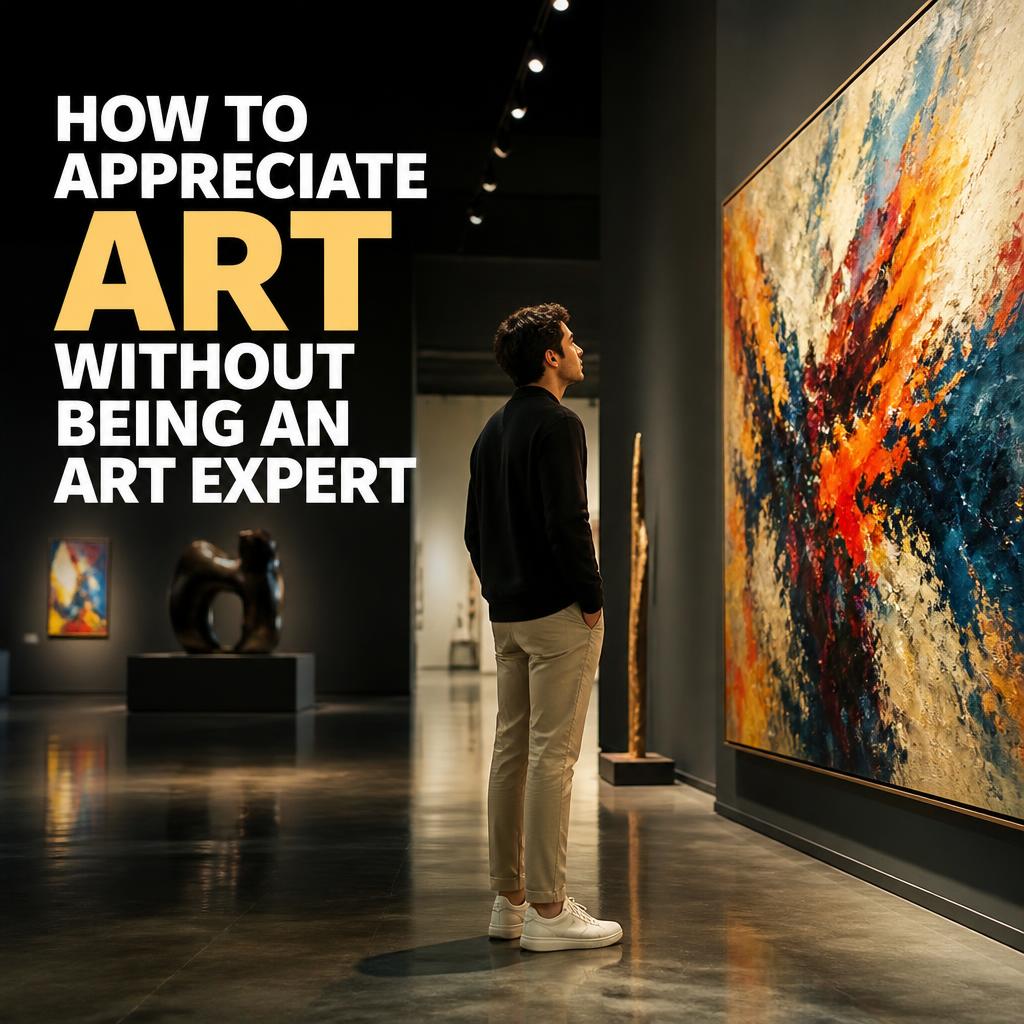
    How to Appreciate Art Without Being an Art Expert starts with one simple idea: you do not need a degree in art history, a sophisticated vocabulary, or years of gallery experience to enjoy what you see. Art appreciation is less about knowing the “correct” answer and more about paying attention, staying curious, and noticing how a piece makes you think or feel.

    Whether you are standing inside a famous museum, visiting a small local gallery, scrolling through digital artwork, or looking at a mural on the street, you already have everything you need to begin. Your eyes, emotions, memories, and curiosity can turn an ordinary viewing experience into something surprisingly meaningful. – artitudesgallery.com

    What Does It Really Mean to Appreciate Art?

    To appreciate art means giving a work enough attention to discover what it communicates to you. That does not necessarily mean liking it. In fact, some memorable artworks can feel strange, uncomfortable, confusing, or even frustrating at first.

    Appreciation involves asking what you notice, why certain details attract you, and how the artist may have created a particular mood. You can enjoy the visual experience while gradually learning about composition, symbolism, technique, and cultural context.

    In other words, appreciation is not an exam. Nobody is waiting nearby with a red pen.

    Start With What You See, Not What You Think You Should Know

    When people feel intimidated by art, they often immediately search for the artist’s name, movement, date, or hidden meaning. Try doing the opposite.

    Spend a little time simply looking.

    Notice the colors, shapes, textures, figures, empty spaces, and overall arrangement. Is your eye immediately drawn toward one particular area? Does the work feel balanced or chaotic? Bright or gloomy? Calm or energetic?

    This first impression matters because it captures your response before outside information begins influencing your interpretation.

    Give the Artwork More Than a Few Seconds

    We are used to scrolling quickly through images, so slowing down can feel surprisingly difficult. Still, giving a painting, sculpture, photograph, or installation an extra minute can reveal details that were invisible during the first glance.

    You may suddenly notice a tiny figure in the background, an unusual shadow, repeated geometric forms, or a facial expression that changes the entire mood.

    Ask Simple Questions Instead of Searching for the “Right” Answer

    You do not need complicated questions to understand visual art. Start with the basics: What is happening? Who or what attracts my attention? Where does my eye travel? When might this scene take place? Why might the artist have made these choices? How does the work create its mood?

    These familiar what, who, where, when, why, and how questions provide a natural framework for exploring almost any artwork.

    What Is the Artwork Making You Feel?

    Your emotional reaction can be an excellent entry point. Perhaps a painting makes you nostalgic without knowing why. Maybe an abstract work feels energetic, while a photograph creates tension.

    There is no requirement to experience the emotion that somebody else describes in a museum guide.

    Your reaction is personal, and that is part of the fun.

    Pay Attention to Unexpected Reactions

    Sometimes the most interesting response is confusion.

    If you catch yourself thinking, “Why would anyone make this?” stay with that question for a moment. Confusion often means the artwork has interrupted your expectations, which can make it worth exploring further.

    Learn a Few Art Terms Without Turning It Into Homework

    Knowing a handful of terms can make looking at art easier. For example, composition describes how visual elements are arranged, while perspective relates to how depth and spatial relationships appear.

    You may also encounter chiaroscuro, an Italian term associated with dramatic contrasts between light and dark. Meanwhile, impasto describes thick applications of paint that create visible texture.

    These words are useful tools, not membership requirements.

    Notice Color, Light, Texture, and Space

    Color can establish mood before you understand the subject. Warm shades may create energy or intimacy, while cooler tones can produce distance, calmness, or melancholy.

    Light also guides attention. Artists may illuminate a face while leaving the background dark, encouraging viewers to focus on one emotional moment.

    Texture works differently. A smooth surface can feel controlled, whereas rough brushwork may create movement and physical intensity.

    Look at How the Artwork Was Made

    Once you have explored what you see, consider how the artist produced it.

    A painter might use tiny controlled strokes, while another works with broad, visible marks. A sculptor may choose polished marble, recycled metal, wood, clay, or unconventional materials. Photographers make decisions involving framing, exposure, timing, and perspective.

    Technique can reveal personality.

    Materials Can Change the Meaning

    Imagine the same human figure created from marble and then recreated from discarded plastic bottles. Although the shape might remain similar, the material completely changes the conversation.

    This is especially noticeable in contemporary art, where artists frequently use everyday objects, digital media, sound, video, and temporary installations.

    Materials are not merely technical choices. Sometimes they are part of the message itself.

    Discover the Story Behind the Artist

    After forming your own impression, learning about the creator can add another layer.

    Who created the work? Where did the artist live? When was it produced? What political, social, cultural, or personal events surrounded its creation?

    Historical context can transform something that initially looks simple into a much richer experience.

    Context Helps Without Controlling Your Opinion

    Background information should expand your understanding rather than dictate your reaction.

    For example, discovering that an artwork emerged during war, migration, industrial change, or social upheaval may explain its imagery. However, you can still respond differently from critics or historians.

    Knowledge gives you another lens. It does not replace your own eyes.

    Stop Worrying About Whether You “Get” Abstract Art

    Abstract art probably causes more nervous gallery conversations than almost anything else.

    People often stare at an abstract painting and wonder what it is supposed to represent. Sometimes that question is unnecessary.

    Instead, examine rhythm, movement, contrast, color relationships, scale, and visual tension. Think about music: you can enjoy an instrumental piece without asking what physical object every note represents.

    Abstract artwork can work in a similar way.

    Try Experiencing Before Interpreting

    Stand at different distances. Look at the whole piece, then move closer to examine the surface.

    Ask whether the work feels fast, slow, heavy, playful, aggressive, peaceful, or unpredictable.

    That experience itself can be valuable, even if you never create a neat explanation.

    Compare Different Artworks to Develop Your Taste

    One of the easiest ways to understand your preferences is comparison.

    Perhaps you enjoy realistic portraits but feel less connected to minimalist sculpture. Maybe bold modern paintings capture your attention more than classical landscapes.

    Instead of simply saying, “I like this one,” ask yourself why.

    Over time, patterns emerge. You might discover that you consistently respond to dramatic lighting, surreal imagery, expressive brushwork, architectural photography, or vibrant color combinations.

    Visit Museums and Galleries Without Trying to See Everything

    A common mistake is attempting to inspect every object in a museum.

    That quickly becomes exhausting.

    Choose a few works that naturally catch your attention and spend more time with them. Quality of attention usually matters more than the number of paintings you manage to walk past.

    Read the Label After Looking First

    Museum labels are useful, but consider delaying them.

    Look at the artwork first and form your own impression. Then read the title, artist, date, medium, and curatorial explanation.

    You may discover that your interpretation differs from the provided context. Rather than treating that difference as a mistake, use it as another layer of the experience.

    Talk About Art in Your Own Words

    You do not have to say something like, “The artist interrogates the spatial dynamics of postmodern identity.”

    Unless, of course, that is genuinely how you talk over coffee.

    Ordinary language works perfectly well. You can say the colors feel unsettling, the portrait looks lonely, the sculpture reminds you of childhood, or the photograph makes the city appear unusually quiet.

    Clear observations often create better conversations than complicated jargon.

    Make Art Appreciation Part of Everyday Life

    Art does not only live in museums.

    You can find creative decisions in architecture, album covers, fashion, furniture, movie cinematography, typography, public murals, product packaging, photography, and even restaurant interiors.

    Once you develop the habit of noticing visual choices, everyday surroundings become more interesting.

    Build Your Visual Curiosity

    When something catches your attention, ask why.

    Was it the color combination? The unusual proportions? The lighting? The story? The craftsmanship?

    This small habit gradually develops what might be called visual literacy: the ability to observe, interpret, and think critically about visual information.

    Remember That Personal Taste Can Change

    The artwork you dislike today may become fascinating five years from now.

    Exposure, travel, reading, life experiences, and conversations can reshape your preferences. That is completely normal. Taste is not a permanent scorecard of good and bad art.

    Allow yourself to change your mind.

    Sometimes returning to an artwork after learning more about its context produces an entirely different reaction.

    Enjoy Art Without Needing to Become an Expert

    Ultimately, art appreciation is about attention rather than expertise. Look carefully, notice your reactions, ask questions, explore techniques, learn a little context, and stay open to unfamiliar styles.

    You do not need to identify every movement, memorize famous artists, or produce an academic interpretation. Curiosity is enough to begin, and experience will naturally sharpen your eye over time.

    The next time you encounter a painting, photograph, sculpture, mural, or installation, give yourself permission to simply look and respond. That uncomplicated approach is often the most rewarding way to practice How to Appreciate Art Without Being an Art Expert.
  • Modern Art Collections and Their Hidden Stories Explained

    Modern Art Collections and Their Hidden Stories Explained

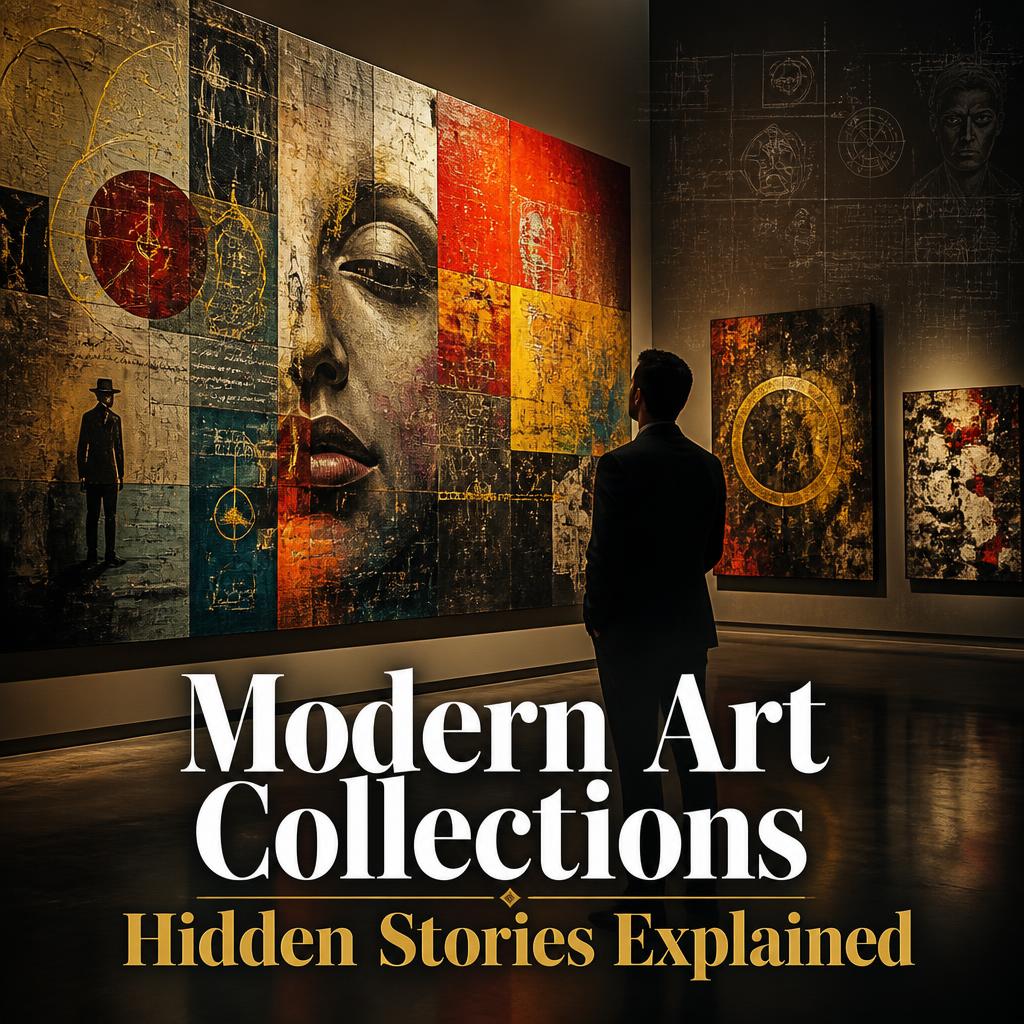
    Modern Art Collections and Their Hidden Stories Explained reveal that every artwork carries more than just colors, shapes, and creative techniques. Behind every painting, sculpture, installation, or mixed-media piece, there are personal experiences, cultural movements, and emotional messages waiting to be discovered. Modern art collections have become a fascinating window into human imagination, showing how artists transform ordinary moments into powerful visual narratives. – artitudesgallery.com

    Understanding the Meaning Behind Modern Art Collections

    Modern art collections are groups of artworks created during the modern art era and beyond, usually focusing on innovation, experimentation, and personal expression. Unlike traditional artworks that often followed strict rules, modern artists explored new approaches through abstract forms, unusual materials, and unique perspectives.

    Many collectors, museums, and private galleries preserve these collections because they represent important changes in society. The artworks often reflect themes such as identity, technology, politics, nature, and human emotions.

    The interesting part is that a modern artwork rarely tells its entire story on the surface. A simple-looking painting may represent years of personal struggle, a response to historical events, or a hidden message about the world around the artist.

    How Modern Artists Create Stories Through Their Work

    Every artist has a different way of communicating ideas. Some use bright colors to express happiness or energy, while others use darker tones to explore complex emotions.

    The Role of Personal Experiences in Modern Art

    Many modern artworks come directly from the artist’s life journey. Childhood memories, relationships, social experiences, and personal challenges often become the foundation of creative ideas.

    For example, an artist may create a collection inspired by a specific location where they spent years living. The artwork may include symbolic objects, familiar landscapes, or abstract patterns that represent personal memories.

    This approach makes modern art collections feel more intimate because viewers are not only looking at an image but also entering a small part of the creator’s world.

    Hidden Symbols and Visual Messages

    One of the most exciting elements of modern art is discovering hidden meanings. Artists often include symbols that require deeper observation.

    A repeated shape may represent an important belief. A specific color combination may reflect an emotional state. Even the choice of material can provide clues about the message behind the artwork.

    Art researchers often study these details through visual analysis, a method used to understand how artistic elements communicate ideas.

    Why Modern Art Collections Matter in Today’s World

    Modern art collections continue to influence culture because they capture the spirit of different generations. They show how people think, feel, and respond to changes happening around them.

    Preserving Cultural and Historical Stories

    Many modern artworks act as visual records of history. They document important moments, social movements, and changing lifestyles.

    Museums often collect modern pieces because they provide future generations with a creative perspective on past events. Instead of reading only written records, people can experience history through colors, textures, and artistic expressions.

    Connecting Different Generations Through Creativity

    Art has a unique ability to connect people from different backgrounds. A painting created decades ago can still create emotional reactions among viewers today.

    Modern art collections encourage conversations between artists, historians, and audiences. They create opportunities for people to discuss different viewpoints and understand diverse experiences.

    Exploring Different Types of Modern Art Collections

    Modern art is not limited to paintings. Today’s collections include various forms of creative expression.

    Contemporary Painting Collections and Their Unique Approaches

    Painting remains one of the most recognized forms of modern art. However, modern painters often move beyond traditional techniques.

    Many artists experiment with:

    • Abstract compositions that focus on emotions rather than realistic images
    • Mixed-media techniques combining different materials
    • Experimental painting styles that challenge normal artistic expectations

    These collections often encourage viewers to create their own interpretations instead of searching for a single answer.

    Sculpture and Installation Art With Deeper Meanings

    Modern sculpture collections often use unconventional materials such as metal, recycled objects, glass, and digital elements.

    Installation art takes this idea further by transforming entire spaces into artistic experiences. Visitors may walk through the artwork, interact with objects, or experience sounds and lighting effects.

    These artworks often explore topics related to technology, environment, and human relationships.

    Digital Art Collections and the Future of Creativity

    Technology has changed how artists create and display their work. Digital art collections now include computer-generated artwork, interactive designs, and virtual experiences.

    Artists use software, artificial intelligence, and digital tools to develop new forms of expression. This creates a connection between creativity and modern technology.

    Digital collections also allow more people worldwide to experience artworks without visiting traditional galleries.

    Famous Themes Found Inside Modern Art Collections

    Modern artists frequently explore universal themes that remain relevant across different cultures.

    Identity and Human Emotion

    Many collections focus on personal identity, exploring questions about who we are and how society shapes our experiences.

    Portraits, abstract figures, and symbolic artworks often represent emotions that words cannot fully explain.

    Nature and Environmental Awareness

    Environmental themes have become increasingly common in modern art collections. Artists use their work to discuss climate change, conservation, and humanity’s relationship with nature.

    Through creative storytelling, artworks can encourage viewers to think differently about environmental challenges.

    Technology and Social Change

    The relationship between humans and technology is another major theme. Modern artists often examine how digital lifestyles influence communication, relationships, and everyday experiences.

    These artworks provide a creative reflection of how society continues to evolve.

    How Museums and Collectors Discover Hidden Stories

    Curators play an important role in explaining the deeper meanings behind modern art collections. They research artist backgrounds, historical contexts, and creative methods.

    The Importance of Art Research

    Professional researchers use art history, interviews, documents, and creative studies to understand artworks.

    They examine:

    • The artist’s background
    • The period when the artwork was created
    • The materials used
    • Social conditions influencing the artist

    This research helps audiences appreciate artworks beyond their visual appearance.

    Private Collectors and Personal Interpretations

    Private collectors often choose artworks because they connect emotionally with specific pieces.

    A collector may see a hidden story that feels meaningful to their own life. This personal connection makes modern art collections even more diverse and interesting.

    The Growing Popularity of Modern Art Collections Online

    The internet has changed how people discover and collect art. Online galleries, virtual exhibitions, and digital marketplaces allow audiences to explore artworks from anywhere.

    Many museums now provide virtual tours, making modern art collections accessible to global communities.

    This digital transformation helps younger generations develop an interest in art while giving artists new platforms to share their creations.

    How to Appreciate Modern Art Like an Experienced Viewer

    Understanding modern art does not require professional training. Anyone can enjoy it by approaching each artwork with curiosity.

    Start by observing the details. Notice the colors, shapes, materials, and emotions you experience. Instead of asking only “What does this mean?”, try asking “Why did the artist create it this way?”

    Learning about the artist’s background can also reveal fascinating connections between the artwork and real-life events.

    Final Thoughts on Modern Art Collections and Their Hidden Stories Explained

    Modern Art Collections and Their Hidden Stories Explained show that every artwork has a deeper conversation waiting beneath its surface. From personal memories and cultural movements to technological innovation and environmental messages, modern art continues to tell stories that connect people across time. Exploring these collections is not only about viewing beautiful creations but also about discovering the emotions, ideas, and hidden meanings that make each piece truly unforgettable.

  • Art Blog: A Creative Guide to Discovering Ideas, Stories, and Modern Artistic Inspiration

    Art Blog: A Creative Guide to Discovering Ideas, Stories, and Modern Artistic Inspiration

    artitudesgallery.com – Art Blog is a creative space where artists, enthusiasts, and curious readers can explore ideas, discover visual stories, and connect with the ever-changing world of art. Whether you are an experienced creator, a beginner searching for inspiration, or someone who simply enjoys beautiful works, an art-focused platform can provide valuable insights into creativity, techniques, culture, and personal expression.

    Understanding the Purpose of an Art Blog

    An art blog is more than just a collection of images or artwork showcases. It is a digital platform designed to share knowledge, experiences, opinions, and creative journeys related to different forms of art. Through thoughtful articles, artists can explain their processes, discuss trends, and introduce audiences to unique perspectives.

    The main goal of this type of content is to create a connection between creators and readers. Unlike traditional galleries that often focus only on finished pieces, blogs allow people to understand the stories, emotions, and decisions behind every artwork.

    Why Art Blogs Matter in the Digital Era

    The internet has completely changed how people experience creativity. In the past, many artists depended on physical exhibitions, printed magazines, or local communities to gain recognition. Today, a single online article can introduce an artist’s work to audiences across the world.

    An effective art blog helps:

    • Educate readers about artistic techniques and movements.
    • Support emerging artists by giving them a platform to share their work.
    • Document creative development through personal stories and experiences.
    • Encourage discussions about culture, design, and visual communication.

    Because of this accessibility, art blogs have become an important part of the modern creative ecosystem.

    Exploring Different Types of Content in an Art Blog

    A successful platform usually contains diverse topics to attract different audiences. Art is a broad field, and readers often search for specific information based on their interests.

    Artist Profiles and Creative Journeys

    One popular type of article focuses on individual creators. These stories usually explain who the artist is, where they come from, what inspires them, and how they develop their unique style.

    An artist profile can include information about:

    • Early influences and background.
    • Favorite materials and techniques.
    • Important exhibitions or achievements.
    • Personal philosophy behind their creations.

    These stories help readers understand that every artwork has a human experience behind it.

    Art Tutorials and Practical Learning Guides

    Many people visit art websites because they want to improve their own abilities. Educational articles can explain drawing methods, painting approaches, photography techniques, digital design skills, and other creative practices.

    Step-by-Step Creative Learning

    A useful tutorial should break complicated ideas into simple stages. For example, an article about painting techniques might explain how to choose colors, prepare materials, create layers, and improve details.

    Clear explanations allow beginners to learn without feeling overwhelmed. At the same time, experienced creators can discover new approaches to improve their existing skills.

    The Role of Art Blogs in Sharing Cultural Stories

    Art has always been connected to human history and culture. Every region has unique traditions, symbols, and creative expressions that reflect the values of its communities.

    An informative art blog can introduce readers to:

    • Traditional crafts from different countries.
    • Historical art movements.
    • Modern interpretations of cultural designs.
    • The relationship between society and creativity.

    Connecting Local Art With Global Audiences

    Digital platforms allow local artists to reach international communities. A creator from a small town can share their work with people thousands of miles away.

    This global connection creates opportunities for cultural exchange. Readers can discover new artistic styles while artists gain recognition beyond their original environment.

    How Artists Can Build Their Identity Through Blogging

    For creators, maintaining an online presence is an important part of personal branding. A consistent blog can demonstrate expertise, creativity, and dedication.

    Creating Authentic and Valuable Stories

    Audiences are naturally attracted to genuine experiences. Instead of only displaying finished artwork, artists can share the challenges, experiments, and lessons behind their creative process.

    A strong article might explain:

    • Why a specific idea was chosen.
    • How mistakes became learning opportunities.
    • What emotions influenced the final result.
    • How the artwork connects with personal experiences.

    This approach makes readers feel closer to the creator.

    Using Visual Elements Effectively

    Art is a highly visual field, so images play a major role in communication. High-quality photographs, illustrations, and design elements can make articles more engaging.

    However, visuals should support the story rather than replace it. A good balance between written explanation and creative presentation creates a better experience for readers.

    Modern Trends Influencing Art Blogs Today

    The art world continues to evolve as technology introduces new possibilities. Many creators now combine traditional skills with digital tools to explore different forms of expression.

    Digital Art and New Creative Technologies

    Digital platforms have opened opportunities for artists working with animation, graphic design, virtual experiences, and interactive media. Tools powered by artificial intelligence, advanced software, and online collaboration systems are changing how people create and share artwork.

    Although technology continues to develop, the human element remains essential. Creativity, emotion, and personal interpretation are still the foundation of meaningful art.

    Sustainable and Socially Conscious Art

    Many modern creators are exploring themes related to environmental awareness, social issues, and community improvement. These artworks often encourage conversations about important topics while offering new perspectives.

    An art blog can highlight these movements by explaining the messages behind contemporary creations.

    Building a Community Through an Art Blog

    A strong creative platform is not only about publishing articles. It is also about creating relationships between writers, artists, and audiences.

    Encouraging Reader Interaction

    Comments, discussions, and shared experiences can turn a simple website into an active creative community. Readers may provide feedback, ask questions, or share their own artistic discoveries.

    Creating Long-Term Engagement

    Consistent publishing, meaningful discussions, and valuable information help maintain audience interest. Over time, a well-managed platform can become a trusted destination for people interested in creativity.

    Where Readers Can Find Inspiration Through Art Content

    Inspiration can come from many places. Nature, architecture, personal memories, cultural experiences, and everyday situations can all become sources of creative ideas.

    A quality platform helps readers recognize these possibilities and understand that art is not limited to museums or professional studios. Creativity exists everywhere, waiting to be explored.

    The Future Direction of Creative Publishing

    The future of art publishing will likely continue combining storytelling, technology, and community interaction. As more people use digital platforms to discover and share creative work, online artistic discussions will become even more important.

    Creators who provide useful information, personal insights, and authentic experiences will have stronger connections with their audiences.

    Art continues to be one of the most powerful ways humans communicate ideas, emotions, and experiences. Through thoughtful discussions, educational resources, and inspiring stories, an Art Blog can become a valuable destination for anyone who wants to explore creativity, learn new techniques, or discover talented creators. As digital platforms continue growing, the role of an Art Blog will remain essential in connecting artists and audiences through meaningful artistic conversations.

  • Modern Perspectives on the World of Art and Creative Evolution

    Modern Perspectives on the World of Art and Creative Evolution

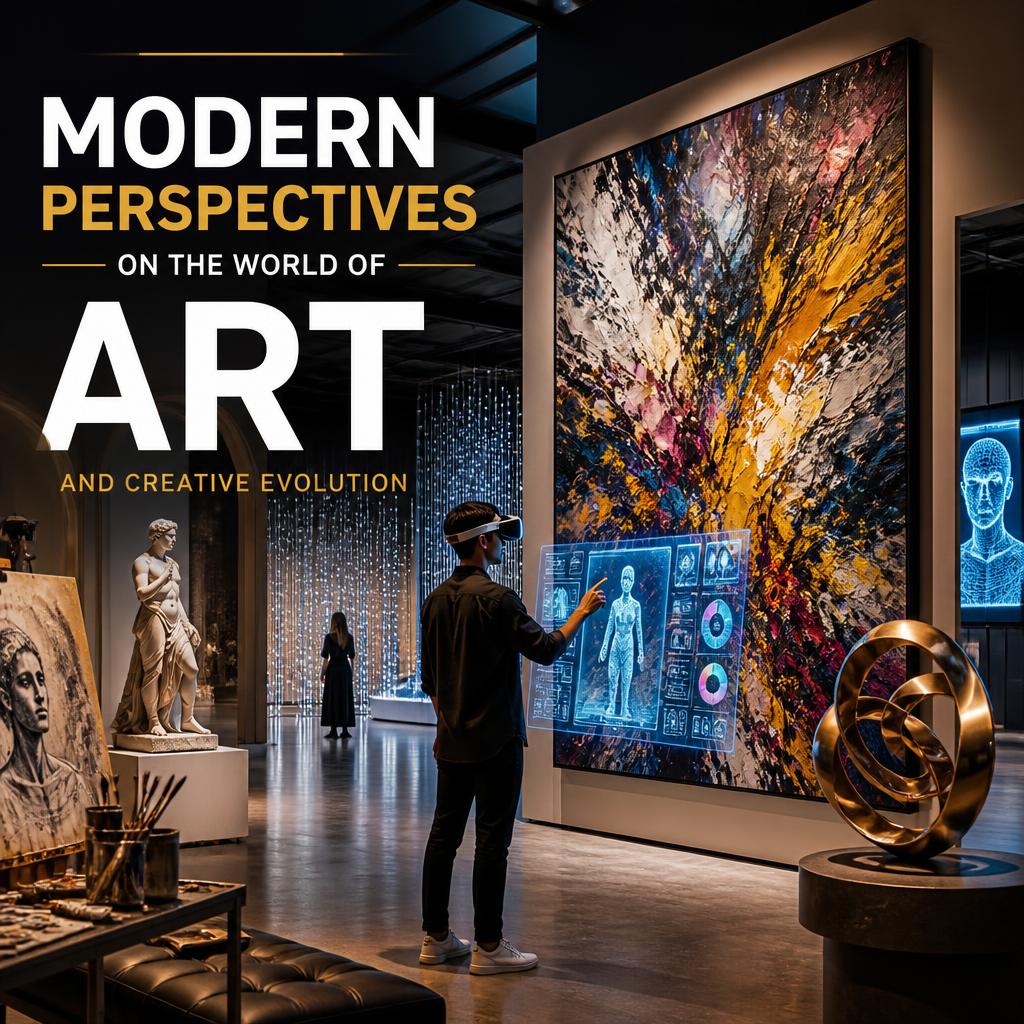
    Modern Perspectives on the World of Art reveal how creativity continues to transform through culture, technology, and changing human experiences. Art is no longer limited to traditional paintings, sculptures, or gallery exhibitions. Today, artists explore new materials, digital platforms, social issues, and interactive experiences to connect with audiences in meaningful ways.

    The modern art world reflects a broader understanding of creativity. It combines historical knowledge with innovative approaches, allowing artists to communicate ideas beyond traditional boundaries. – artitudesgallery.com

    The Changing Definition of Art in the Modern Era

    For centuries, art was often associated with skilled craftsmanship and established techniques. However, modern perspectives have expanded the meaning of artistic creation.

    Today, art can include digital illustrations, virtual installations, artificial intelligence-assisted designs, performance pieces, and multimedia experiences. This shift allows creators to experiment with new forms of expression.

    Furthermore, audiences now participate more actively in artistic experiences. Interactive exhibitions and immersive installations encourage viewers to become part of the artwork rather than simply observe it.

    Technology’s Influence on Contemporary Art

    Technology has become one of the most important forces shaping modern artistic development. Digital tools provide artists with opportunities that were previously impossible.

    For example, digital painting software enables creators to experiment with unlimited colors, textures, and visual effects. Meanwhile, virtual reality allows artists to build environments where audiences can explore imaginary spaces.

    Moreover, social media platforms have changed how artists share their work. Independent creators can now reach global audiences without relying only on traditional galleries or institutions.

    The Rise of Digital and Interactive Art

    Digital art represents one of the most significant developments in the modern art landscape. Artists use computers, animation, coding, and emerging technologies to produce unique experiences.

    Interactive art has also gained popularity because it creates a personal connection between artwork and viewers. Instead of presenting a finished object, artists design experiences that respond to movement, sound, or audience participation.

    This approach changes the relationship between creator and viewer. The audience becomes part of the creative process.

    Cultural Diversity and Global Artistic Expression

    Modern art has become increasingly influenced by global perspectives. Artists from different backgrounds contribute unique stories, traditions, and viewpoints.

    In the past, many art movements were centered around specific regions. Today, international communication allows ideas to spread quickly across cultures.

    As a result, contemporary art often combines traditional techniques with modern concepts. An artist may incorporate ancient cultural symbols while using digital methods to present their message.

    This combination creates artwork that respects history while embracing innovation.

    Social Issues as Sources of Artistic Inspiration

    Many modern artists use their work to explore important social topics. Art has become a powerful tool for discussing identity, environmental concerns, technology, and human relationships.

    For example, public art projects often transform ordinary spaces into areas for reflection and conversation. These installations can encourage communities to think about shared challenges.

    However, modern artists must balance creativity with responsibility. Strong messages require thoughtful execution to avoid oversimplifying complex issues.

    Challenges Facing the Modern Art World

    Although modern art offers many opportunities, artists also face several challenges.

    One major challenge involves maintaining originality in a highly connected digital environment. Because millions of artworks are shared online, creators must develop unique voices to stand out.

    Another challenge is accessibility. While technology allows more people to create art, professional opportunities remain competitive.

    Furthermore, the increasing use of artificial intelligence in creative industries raises questions about authorship, originality, and the future role of human creativity.

    Strategies for Artists to Adapt and Grow

    Artists who want to succeed in today’s environment should focus on continuous learning and experimentation.

    Some effective strategies include:

    • Developing a recognizable artistic style
    • Learning new digital tools and techniques
    • Building connections with creative communities
    • Understanding audience interests
    • Combining traditional skills with modern approaches

    In addition, artists should document their creative journey. Sharing behind-the-scenes processes helps audiences understand the effort and ideas behind each piece.

    The Future Direction of Art and Creativity

    The future of art will likely continue to combine human imagination with technological advancement. Emerging tools may create new possibilities, but human emotion and storytelling will remain central elements.

    Artists will continue exploring new ways to communicate experiences, challenge perspectives, and connect people.

    Ultimately, the evolution of art depends on curiosity. Those who embrace change while respecting artistic foundations will help shape the next generation of creative expression.

  • Famous Artists Who Changed the World of Art Throughout History!

    Famous Artists Who Changed the World of Art Throughout History!

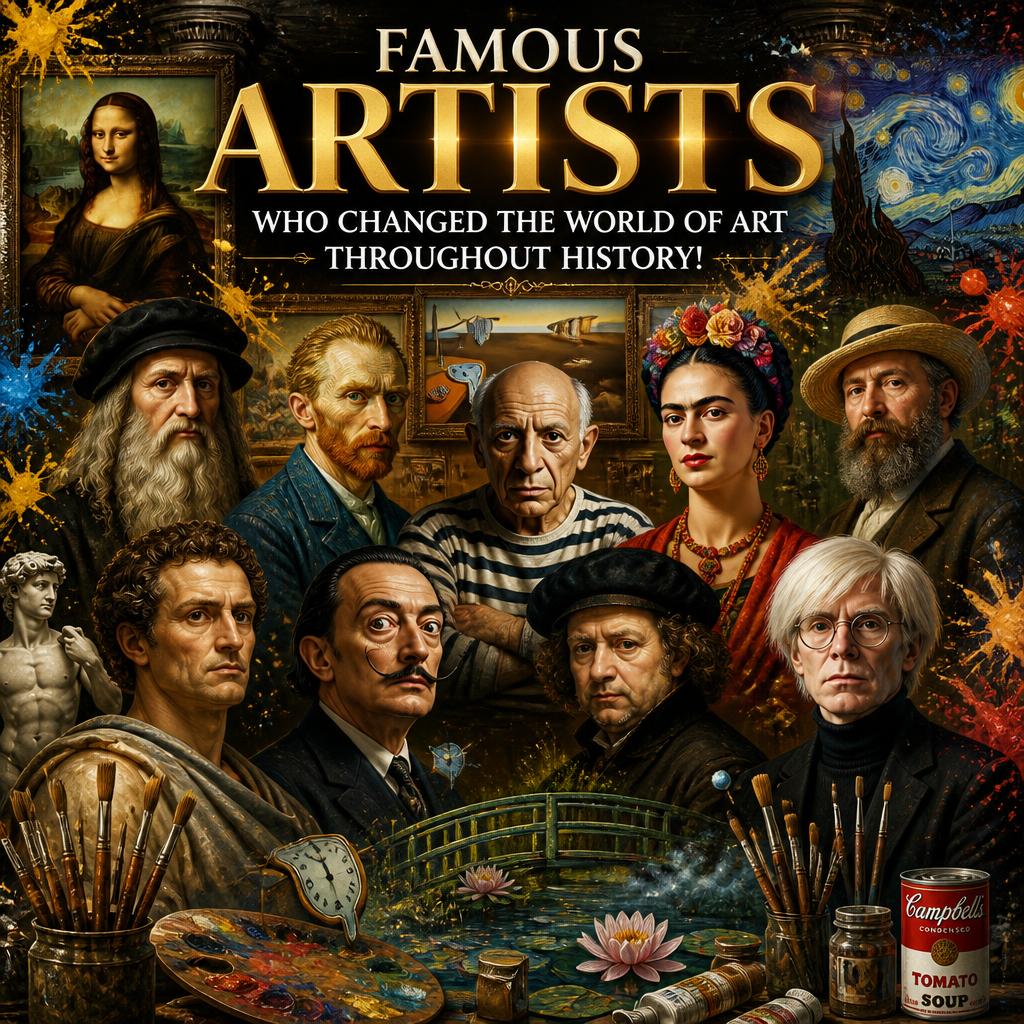
    artitudesgallery.com – Famous Artists Who Changed the World of Art Throughout History! is a fascinating journey through the lives of extraordinary creators whose masterpieces transformed the way humanity understands beauty, creativity, and self-expression. From the grandeur of the Renaissance to the bold experiments of modern art, these legendary artists left an unforgettable mark on civilization and continue to inspire millions around the world.


    Why Are Great Artists Remembered for Centuries?

    Art has always been more than decoration. It is a reflection of human emotions, beliefs, and experiences. Throughout history, certain artists have stood out because they challenged conventions and introduced entirely new ways of seeing the world.

    Their paintings, sculptures, and ideas influenced generations of creators and changed the course of art forever.


    Leonardo da Vinci: The Genius of the Renaissance

    A Master of Art and Science

    Few names in history are as iconic as Leonardo da Vinci. Born in Italy during the Renaissance period, Leonardo was not only a painter but also an inventor, engineer, scientist, and philosopher.

    His masterpiece, Mona Lisa, remains one of the most famous paintings ever created.

    What Made Leonardo Extraordinary?

    Leonardo’s deep understanding of anatomy and nature allowed him to paint with incredible realism. He developed the sfumato technique, blending colors and shadows so smoothly that his subjects appeared almost alive.


    Michelangelo and the Art of Perfection

    When discussing artistic greatness, Michelangelo Buonarroti deserves a place among the legends.

    The Magnificent Sistine Chapel

    His breathtaking paintings on the ceiling of the Sistine Chapel in Vatican City are considered one of the greatest artistic achievements in history.

    The Legendary Statue of David

    Michelangelo’s sculpture David represents strength, courage, and perfection. Carved from marble, the statue showcases his exceptional understanding of the human body.


    Vincent van Gogh: Beauty Born from Pain

    The Artist Who Found Fame Too Late

    During his lifetime, Vincent van Gogh struggled financially and emotionally. Ironically, his work became world-famous only after his death.

    Paintings like Starry Night and Sunflowers are now celebrated masterpieces.

    The Emotional Power of Color

    Van Gogh’s bold brushstrokes and vibrant colors influenced the Expressionist movement and proved that art could communicate feelings just as powerfully as words.


    Pablo Picasso and the Birth of Cubism

    Breaking the Rules of Traditional Art

    Pablo Picasso revolutionized modern painting by introducing Cubism, a style that represents objects through geometric shapes and multiple perspectives.

    His painting Les Demoiselles d’Avignon changed the direction of twentieth-century art.

    A Remarkably Productive Career

    Picasso created thousands of paintings, drawings, sculptures, and ceramics, making him one of the most prolific artists in history.


    Claude Monet and the Rise of Impressionism

    Capturing Light and Atmosphere

    French painter Claude Monet changed artistic traditions by focusing on light and momentary impressions rather than perfect details.

    His famous painting Impression, Sunrise gave birth to the term Impressionism.

    A New Way of Seeing Nature

    Monet’s work encouraged artists to paint outdoors and capture the beauty of everyday moments.


    Salvador Dalí and the World of Dreams

    The King of Surrealism

    Few artists embraced imagination like Salvador Dalí. His bizarre and dreamlike paintings challenged conventional thinking.

    His masterpiece The Persistence of Memory, featuring melting clocks, became a symbol of the Surrealist movement.

    Art Beyond Logic

    Dalí believed that creativity should be free from ordinary rules and limitations.


    Frida Kahlo: Turning Pain into Art

    A Powerful Voice in Art History

    Frida Kahlo became one of the most influential female artists of all time.

    Her self-portraits explored themes of identity, suffering, love, and resilience.

    The Strength Behind Her Paintings

    After surviving a serious accident, Frida used art as a way to express both physical and emotional pain, creating deeply personal works that resonate with audiences even today.


    Rembrandt and the Magic of Light and Shadow

    A Master of Human Emotion

    Dutch artist Rembrandt van Rijn is famous for his ability to portray emotions through dramatic lighting techniques.

    The Brilliance of Chiaroscuro

    Using the chiaroscuro method, Rembrandt created portraits that seemed alive, filled with depth and realism.

    His painting The Night Watch remains one of the greatest masterpieces in European art.


    Andy Warhol and the Pop Art Revolution

    Making Everyday Objects into Art

    In the twentieth century, Andy Warhol transformed ordinary consumer products into iconic artwork.

    His paintings of soup cans and celebrities helped define the Pop Art movement.

    Changing the Definition of Art

    Warhol proved that art could emerge from popular culture and everyday life, breaking the boundaries between fine art and commercial design.


    How Did These Artists Change the World?

    They Introduced New Ideas

    Each of these legendary figures challenged existing traditions and brought something completely new to the art world.

    They Inspired Future Generations

    Modern artists, designers, filmmakers, and even digital creators continue to draw inspiration from their techniques and philosophies.

    They Made Art a Universal Language

    Their works transcend borders, cultures, and languages, connecting people through creativity and emotion.


    Lessons We Can Learn from These Legendary Artists

    The stories of these famous artists teach valuable lessons:

    • Be brave enough to think differently.
    • Never stop creating, even during difficult times.
    • Turn challenges into inspiration.
    • Trust your unique perspective.
    • Understand that true recognition often takes time.

    Their journeys remind us that innovation and passion can leave a lasting impact on humanity.


    The Timeless Legacy of Great Artists

    The world of art continues to evolve, yet the influence of these extraordinary creators remains stronger than ever. Museums, galleries, and educational institutions still celebrate their achievements and preserve their masterpieces for future generations.

    Famous Artists Who Changed the World of Art Throughout History! proves that art is far more than paint on a canvas or stone shaped into sculptures. It is a powerful expression of human imagination, emotion, and courage. The legacies of Leonardo da Vinci, Vincent van Gogh, Pablo Picasso, Frida Kahlo, and many other artistic pioneers will continue inspiring people to see the world through a more creative and meaningful lens.

  • Beautiful Art Collections With Stories Behind Each Piece

    Beautiful Art Collections With Stories Behind Each Piece

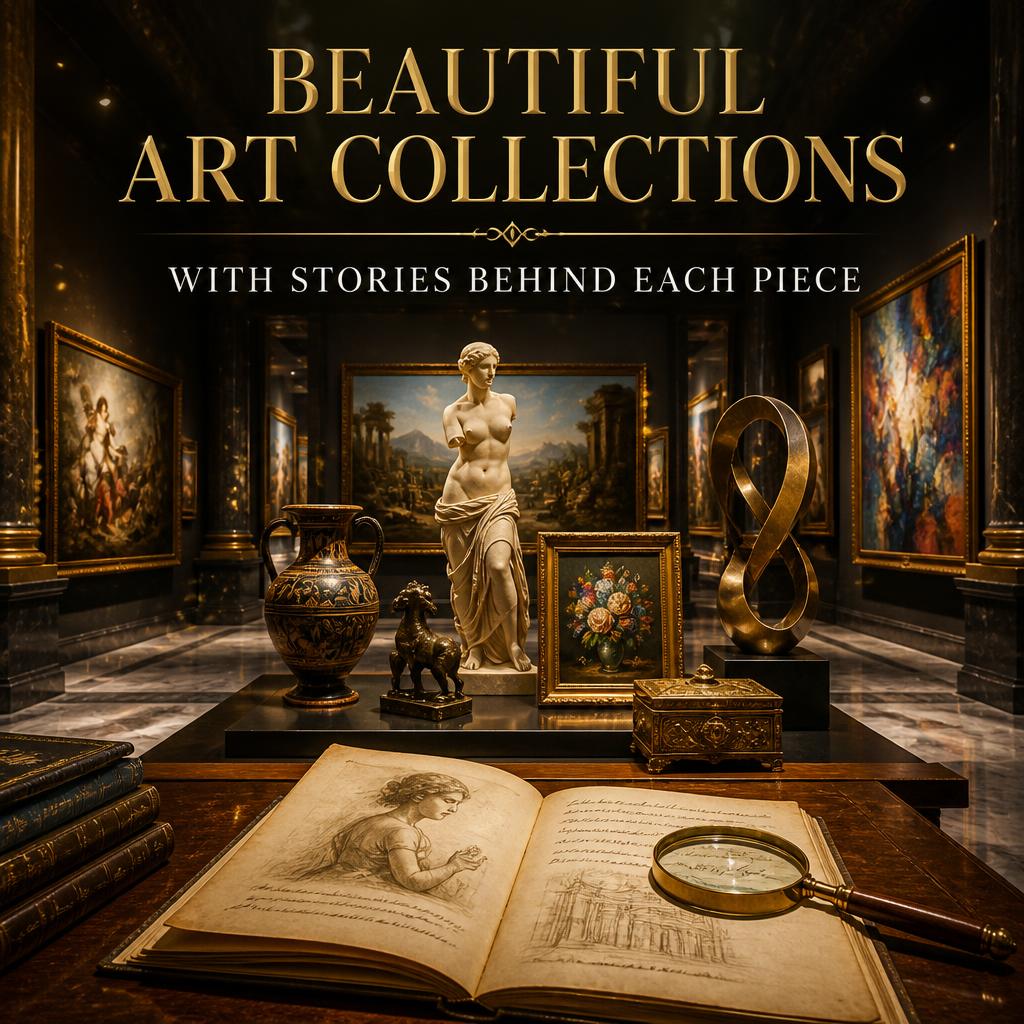
    artitudesgallery.com – Beautiful Art Collections With Stories Behind Each Piece offers a fascinating journey into the world of creativity, emotion, and history hidden inside every artwork. Art collections are not only groups of paintings, sculptures, photographs, or handcrafted objects displayed in galleries. Each piece often carries a unique background, a personal message from the artist, and a connection to a specific moment in time. Understanding these stories allows viewers to experience art on a deeper level rather than simply observing colors and shapes.

    Understanding the Meaning Behind Art Collections

    An art collection is a carefully selected group of artworks gathered by individuals, museums, or organizations based on themes, artistic styles, historical value, or personal appreciation. These collections can represent different cultures, generations, and creative movements.

    Many famous collections around the world are built around a central idea. Some focus on modernism, while others highlight traditional craftsmanship, ancient civilizations, or contemporary social issues. The purpose is not only preservation but also storytelling.

    Why Every Artwork Has a Hidden Story

    Behind every painting, sculpture, or installation, there is usually a reason why it was created. Artists often use their work to express emotions, describe personal experiences, or comment on society.

    A simple portrait may represent family memories. A landscape painting might capture a disappearing environment. Meanwhile, an abstract artwork could communicate feelings that words cannot easily explain.

    The story behind artwork often becomes the bridge connecting the creator and the audience. This emotional connection makes collections more meaningful and memorable.

    The Role of Artists in Creating Meaningful Collections

    Artists play an important role in transforming ordinary ideas into valuable visual experiences. Their backgrounds, beliefs, and surroundings often influence their creative process.

    A painter who grows up near the ocean may create works inspired by waves, marine life, and coastal communities. A sculptor living in a busy city might produce pieces reflecting urban movement and human interaction.

    How Personal Experiences Shape Artistic Expression

    Personal experiences are among the strongest influences in art creation. Many artists use their memories, challenges, and achievements as inspiration.

    The artistic process usually involves several stages, including research, experimentation, material selection, and final production. Some creators spend years developing a single masterpiece because they want every detail to represent their original vision.

    This approach creates a deeper connection between the artwork and its audience. Viewers can discover different interpretations depending on their own experiences and emotions.

    Exploring Different Types of Art Collections Around the World

    Art collections exist in many forms, from traditional museum exhibitions to private galleries and digital platforms. Each type provides a different way to explore creativity.

    Historical Art Collections

    Historical collections preserve important moments from the past. They often include ancient artifacts, classic paintings, and cultural objects that reveal information about previous civilizations.

    Museums carefully protect these pieces because they represent human development, technological progress, and cultural identity. Through historical collections, visitors can learn how people lived, worked, and expressed themselves centuries ago.

    Contemporary Art Collections

    Contemporary collections focus on modern ideas and current social topics. These collections often include experimental designs, digital creations, and mixed-media installations.

    Many contemporary artists combine traditional techniques with advanced technology. Concepts such as digital art, artificial intelligence, and interactive exhibitions have changed how people experience creativity today.

    Discovering the Stories Hidden Inside Famous Artworks

    Every remarkable collection contains pieces with interesting backgrounds. Some artworks become famous because of their artistic techniques, while others gain recognition because of the stories surrounding their creation.

    Collectors and historians often study elements such as the artist’s biography, historical period, materials used, and cultural influences. These details help explain why a particular artwork has significant value.

    A deeper appreciation of art requires curiosity. Instead of asking only “What does this look like?”, viewers can also ask “Why was this created?” and “What message does it represent?”

    How Collectors Build Meaningful Art Collections

    Building an impressive collection requires knowledge, passion, and careful decision-making. Collectors usually consider artistic quality, originality, historical importance, and emotional connection before acquiring a piece.

    Beautiful Art Collections With Stories Behind Each Piece can inspire collectors to look beyond appearance and focus on the deeper narratives that make artwork valuable.

    Important Factors Considered by Art Collectors

    Collectors often examine several aspects before purchasing artwork:

    Artistic Value and Technique

    The skill, creativity, and uniqueness of an artist’s technique can influence the importance of a piece. Strong craftsmanship often helps artwork remain valuable for generations.

    Cultural and Historical Background

    Artwork connected to important events or cultural movements can carry special significance. These pieces become visual records of human history.

    Emotional Connection

    Many collectors choose artworks because they create personal feelings. A meaningful piece can remind someone of a memory, place, or personal belief.

    The Importance of Preserving Art Collections for Future Generations

    Preservation allows future audiences to experience creative achievements from previous eras. Museums, galleries, and private collectors use advanced methods to protect artworks from damage.

    Modern preservation techniques include controlled environments, specialized lighting, and scientific analysis of materials. Experts in conservation science work carefully to maintain original conditions while preventing deterioration.

    Preserving art is not only about protecting objects. It is about keeping human stories alive and allowing future generations to understand different perspectives.

    How Technology Changes the Future of Art Exhibitions

    Technology has introduced new possibilities for displaying and experiencing collections. Virtual galleries, augmented reality, and online exhibitions allow people from different countries to explore artworks without visiting physical locations.

    Digital platforms also help emerging artists share their creations with wider audiences. This development has created a more inclusive art environment where creativity can reach millions of people.

    The Growth of Interactive Art Experiences

    Interactive exhibitions encourage visitors to participate instead of simply observing. These experiences combine visual design, sound, movement, and technology to create memorable moments.

    The relationship between artists and audiences continues to evolve as new tools become available.

    Why Art Collections Continue to Inspire People

    Art collections remain powerful because they represent human imagination and emotional expression. They tell stories about love, struggle, innovation, identity, and cultural transformation.

    Whether displayed in a large museum or a small private space, meaningful artwork can influence how people see the world. A single piece can create conversations, inspire creativity, and preserve memories that last for generations.

    Final Thoughts on the Stories Behind Every Artwork

    Art is much more than decoration. It is a collection of ideas, experiences, and emotions transformed into visual form. By exploring the history and meaning behind creative works, people can discover connections between artists, cultures, and different periods of human life. Beautiful Art Collections With Stories Behind Each Piece remind us that every artwork has a voice, and every story behind a creation deserves to be discovered.