Tag: creative industries

  • Creative Showcases That Connect New Audiences With Innovative Ideas

    Creative Showcases That Connect New Audiences With Innovative Ideas

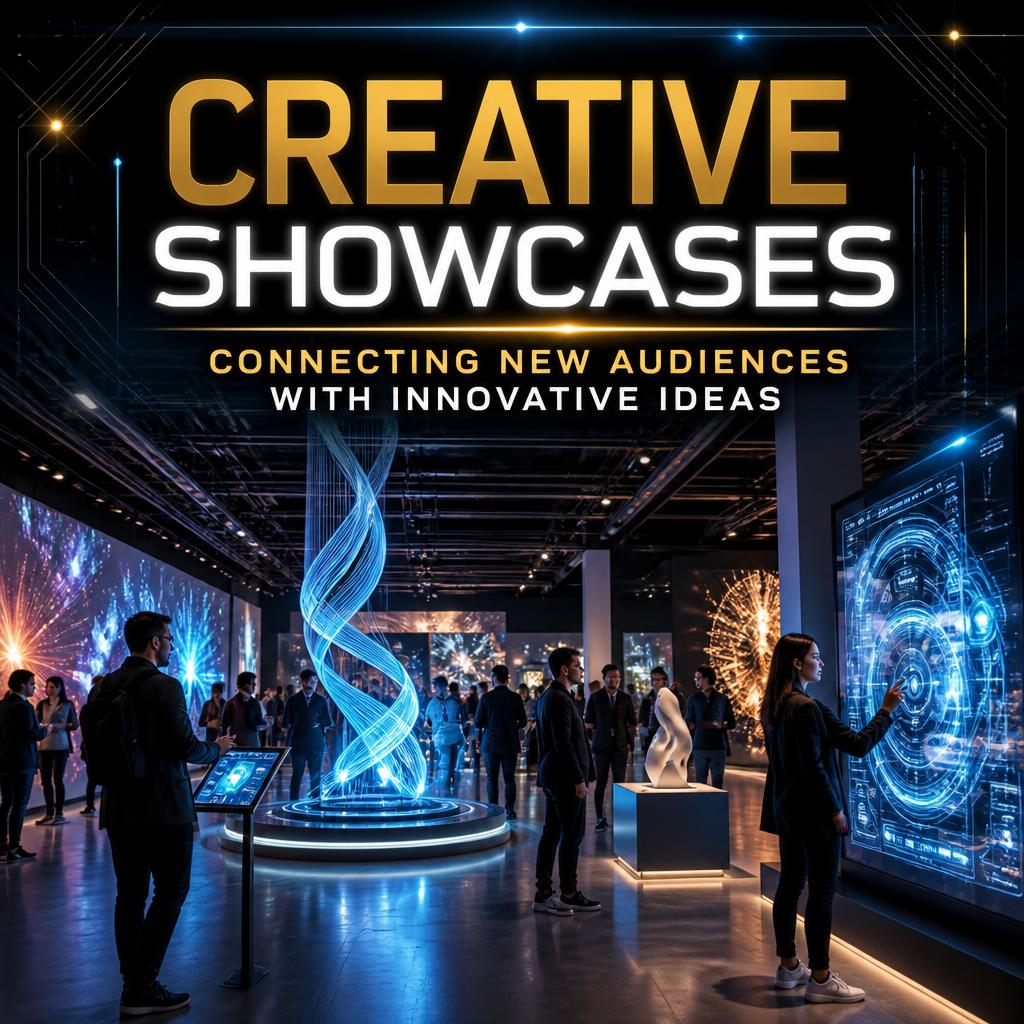
    artitudesgallery.com – Creative Showcases That Connect New Audiences With Innovative Ideas are becoming an important way for creators, organizations, and communities to share fresh perspectives with the world. Modern exhibitions and events are no longer just about displaying objects in a room; they are immersive experiences where art, technology, culture, and storytelling meet to create meaningful connections. From small local gatherings to international creative festivals, these platforms help unique ideas reach people who may never have discovered them otherwise.

    The Growing Role of Creative Exhibitions in Modern Culture

    Creative exhibitions have changed significantly over the years. Traditionally, galleries and events focused mainly on presenting finished works, but today’s audiences expect more interaction, emotional connection, and memorable experiences.

    A successful exhibition combines visual design, storytelling techniques, and audience participation. Visitors are not only observers but also active participants who explore concepts, share opinions, and create personal memories.

    This transformation has made exhibitions valuable tools for artists, entrepreneurs, designers, and cultural organizations that want to introduce new ideas to wider communities.

    Understanding How Events Bring Ideas Closer to New Audiences

    What Makes an Exhibition Truly Engaging?

    An engaging exhibition focuses on creating a journey rather than simply showing information. Every element, from lighting and layout to digital features and presentation style, influences how visitors understand the message behind the event.

    Creative organizers often use experiential design to build environments that stimulate curiosity. This approach considers human emotions, movement patterns, and sensory responses to make the experience more powerful.

    For example, an interactive technology exhibition may allow visitors to test new inventions, while an art event may encourage people to contribute their own interpretations.

    Who Benefits From Creative Events?

    Creative events benefit many groups, including:

    • Artists who gain exposure and opportunities to connect with audiences.
    • Businesses that introduce innovative products and concepts.
    • Communities that celebrate local talent and cultural identity.
    • Visitors who discover inspiration and new knowledge.

    These events create a bridge between creators and people who might otherwise never encounter their work.

    Where Creative Exhibitions Are Finding New Opportunities

    Today, creative exhibitions appear in many different locations. Traditional museums and galleries remain popular, but unexpected spaces are also becoming creative destinations.

    Urban areas often transform warehouses, outdoor spaces, historical buildings, and public areas into temporary exhibition venues. This approach creates a sense of discovery because audiences experience creativity in places they do not normally associate with art.

    Digital platforms have also expanded possibilities. Virtual exhibitions, online showcases, and hybrid events allow creators to reach international audiences without geographical limitations.

    The Importance of Storytelling in Audience Connection

    Why Stories Make Exhibitions More Memorable

    People naturally connect with stories. A collection of objects or images becomes more meaningful when visitors understand the background, purpose, and emotions behind them.

    Strong storytelling helps audiences answer important questions:

    • Why was this creation made?
    • Who inspired the idea?
    • What problem does it solve?
    • How does it relate to everyday life?

    Many successful exhibitions use narrative architecture, a concept where the physical arrangement of an event guides visitors through a carefully designed story.

    Instead of moving randomly from one display to another, visitors experience a structured journey that creates stronger emotional engagement.

    Technology Transforming the Future of Creative Events

    Technology continues to reshape how exhibitions are created and experienced. Tools such as augmented reality (AR), virtual reality (VR), artificial intelligence, and interactive displays provide new ways for audiences to participate.

    For example, AR applications can add digital information to physical displays, allowing visitors to explore additional layers of content through smartphones or smart devices.

    Creators are also using data analytics to understand visitor behavior. These insights help organizers improve layouts, personalize experiences, and design events that better match audience expectations.

    The combination of creativity and technology has opened opportunities for more inclusive and accessible experiences. People from different backgrounds can now engage with creative content in ways that fit their preferences.

    Exhibitions and Events Bringing Creative Ideas To New Audiences Through Innovative Approaches

    Many organizations now focus on making exhibitions more accessible, interactive, and community-driven. Exhibitions and Events Bringing Creative Ideas To New Audiences represent a movement where creativity is shared beyond traditional spaces and reaches people through unique experiences.

    These events often include workshops, live demonstrations, discussions, and collaborative projects. By encouraging participation, organizers create stronger relationships between creators and audiences.

    A modern exhibition is not simply a place where people look at something. It becomes a platform where conversations begin, ideas develop, and new possibilities emerge.

    How Creative Events Support Emerging Talent

    Creating Opportunities for New Creators

    Emerging artists and innovators often struggle to gain visibility. Exhibitions provide a valuable platform where they can introduce their work and build professional connections.

    Many creative events include special sections dedicated to young creators, independent designers, and experimental projects. These opportunities allow fresh voices to compete with established names and bring different viewpoints into the spotlight.

    Exposure from exhibitions can lead to collaborations, partnerships, and future career growth.

    Building Stronger Creative Communities

    Beyond individual success, exhibitions help develop creative ecosystems. When people gather around shared interests, they exchange knowledge and encourage innovation.

    Communities formed through these events often continue working together after the exhibition ends. This long-term impact helps maintain creativity and supports future projects.

    The Future Direction of Exhibitions and Events

    The future of exhibitions will likely focus on deeper audience involvement, sustainability, and personalized experiences.

    Environmental awareness is becoming an important consideration, with many organizers adopting eco-friendly materials, reusable structures, and responsible event planning.

    Meanwhile, personalized digital experiences may allow visitors to explore exhibitions based on their interests. Instead of following a single path, audiences may receive customized recommendations that create unique journeys.

    As technology and creativity continue to evolve, exhibitions will become even more dynamic spaces for learning, inspiration, and connection.

    Final Thoughts on Creative Connections Through Public Experiences

    Creative exhibitions and events continue to prove that ideas become more powerful when they are shared with others. They create opportunities for discovery, encourage conversations, and introduce innovative concepts to wider communities. Through thoughtful design, storytelling, and modern technology, these experiences transform ordinary visits into meaningful memories. Creative Showcases That Connect New Audiences With Innovative Ideas will continue shaping how people experience creativity, culture, and inspiration in the years ahead.
  • Viral Tech Events That Changed Creative Industries Overnight

    Viral Tech Events That Changed Creative Industries Overnight

    artitudesgallery – Viral Tech Events That Revolutionized Creative Industries in a Single Night became more than just internet headlines. In many cases, these explosive moments completely reshaped how artists, filmmakers, musicians, designers, writers, and digital creators worked almost overnight. One breakthrough app, one live-streamed launch, or one unexpected AI demo suddenly changed the rules for millions of people across the globe.

    Today, creative industries move faster than ever. Trends appear in the morning and dominate the internet by evening. Meanwhile, new technology keeps pushing creators into unfamiliar but exciting territory. Some innovations disappear quickly. Others permanently redefine the future of entertainment, marketing, fashion, gaming, and media production.

    This article explores the biggest viral tech moments that transformed creative industries instantly and explains why these events mattered so much.


    Why Viral Technology Events Spread So Quickly

    Technology spreads fast because people naturally share things that shock, inspire, or simplify life. Creative professionals especially pay attention when a new tool helps them save time, produce better work, or reach bigger audiences.

    Several factors usually make a tech event go viral:

    • Massive social media exposure
    • Celebrity endorsements
    • Easy public access
    • Stunning visual demonstrations
    • Fear of missing out
    • Instant productivity gains

    As a result, creative industries often experience sudden shifts instead of slow evolution.


    The Rise of AI Art Generators Shocked Designers Worldwide

    When AI Images Started Looking Professional

    One of the biggest viral technology moments arrived when AI art generators suddenly began producing realistic illustrations, fantasy artwork, and cinematic visuals within seconds.

    Graphic designers everywhere reacted immediately. Some felt inspired. Others felt nervous.

    Tools powered by machine learning started creating:

    • Digital paintings
    • Anime characters
    • Marketing visuals
    • Book covers
    • Product mockups
    • Fashion concepts

    The internet exploded with examples. Twitter, Reddit, TikTok, and Instagram became flooded with AI-generated content almost overnight.

    How Creative Agencies Responded

    Creative agencies quickly adapted because clients wanted faster production times and lower costs. Instead of replacing artists entirely, many companies combined human creativity with AI-assisted workflows.

    Designers who embraced the technology often gained an advantage because they could create multiple concepts much faster than before.


    Streaming Platforms Changed Music and Film Distribution Instantly

    The Death of Traditional Gatekeepers

    Years ago, artists depended heavily on studios, labels, and publishers. Then streaming technology changed everything.

    When major streaming platforms became mainstream, independent creators suddenly gained global reach without needing traditional approval systems.

    This shift affected:

    • Musicians
    • Podcasters
    • Documentary filmmakers
    • Animators
    • Indie game developers

    Creators could now upload content directly to massive audiences.

    Viral Concert Livestreams Became a New Industry

    During global lockdown periods, livestream technology exploded. Artists who once relied on physical venues began performing online.

    Some virtual concerts attracted millions of viewers worldwide.

    Meanwhile, fans discovered they could enjoy events from home without travel costs. That single shift permanently changed how entertainment companies approached live experiences.


    TikTok Completely Reshaped Digital Creativity

    Short-Form Content Took Over the Internet

    Few platforms disrupted creative industries faster than TikTok.

    At first, many people dismissed short-form video content as temporary entertainment. However, creators quickly realized that viral exposure could happen overnight.

    Suddenly:

    • Unknown musicians topped global charts
    • Small brands exploded in popularity
    • Video editors became influencers
    • Comedy creators built media empires
    • Fashion trends spread worldwide in hours

    The platform changed how people consumed creativity itself.

    Why Creative Professionals Adapted So Quickly

    TikTok rewarded fast storytelling, emotional hooks, and visual impact. As a result, creators learned to capture attention within seconds.

    Traditional advertising agencies had to rethink entire campaigns because audiences now preferred authentic short-form content over polished commercials.


    NFT Technology Created a Digital Gold Rush

    Artists Suddenly Sold Digital Work for Millions

    When NFTs entered mainstream conversation, the creative world entered chaos almost immediately.

    Digital artists who once struggled to monetize online work suddenly sold pieces for enormous amounts of money.

    Collectors viewed NFTs as:

    • Digital ownership
    • Investment assets
    • Status symbols
    • Exclusive memberships

    Whether people loved or hated NFTs, the viral explosion forced creative industries to pay attention.

    Musicians and Fashion Brands Entered the Market

    Soon after, musicians launched NFT albums while fashion brands released digital clothing collections for virtual environments.

    This event proved that digital identity had real economic value.

    Although the market later cooled down, the idea of verified digital ownership permanently influenced creative business models.


    Smartphone Camera Technology Changed Photography Forever

    Everyone Became a Content Creator

    When smartphone cameras reached professional quality, photography changed forever.

    Previously, expensive equipment created barriers between professionals and everyday users. However, viral smartphone launches showed the world that powerful cameras could fit inside a pocket.

    This transformation influenced:

    • Journalism
    • Social media marketing
    • Travel blogging
    • Fashion photography
    • Food content creation

    People no longer needed studios or expensive setups to create attractive visuals.

    Social Platforms Accelerated the Shift

    Instagram, Snapchat, and mobile editing apps amplified the trend even further. Suddenly, millions of users learned photography basics through social sharing instead of formal education.

    Consequently, visual storytelling became part of everyday communication.


    Virtual Reality Opened New Doors for Entertainment

    VR Experiences Went From Sci-Fi to Reality

    Virtual reality technology spent years as a niche concept. Then viral gaming demos and immersive VR experiences captured public attention.

    Creative industries immediately saw new possibilities.

    Game developers began designing interactive worlds. Filmmakers experimented with immersive storytelling. Event organizers explored virtual festivals and exhibitions.

    The Gaming Industry Led the Revolution

    Gaming companies helped VR reach mainstream audiences faster than expected.

    Players wanted:

    • Realistic environments
    • Interactive experiences
    • Social virtual spaces
    • Motion-based gameplay

    As hardware improved, creators discovered entirely new ways to engage audiences emotionally.


    AI Writing Tools Changed Content Creation Overnight

    Writers Faced a New Reality

    The arrival of advanced AI writing tools became one of the most controversial viral tech moments in modern media.

    Content marketers, bloggers, copywriters, and publishers suddenly saw machines generating articles, scripts, captions, and product descriptions within seconds.

    This shift triggered massive debate across creative industries.

    Some feared replacement. Others saw opportunity.

    Human Creativity Still Matters

    Although AI tools dramatically increased productivity, audiences still value emotional storytelling, humor, personality, and cultural understanding.

    The smartest creators learned how to combine AI speed with human originality.

    As a result, hybrid workflows became increasingly common in publishing, advertising, and media production.


    Cloud Collaboration Tools Transformed Creative Teams

    Remote Creativity Became Normal

    Before cloud collaboration tools became widespread, creative teams usually worked from physical offices or studios.

    Then viral remote-work technology changed everything.

    Editors, designers, musicians, and writers began collaborating from different countries in real time.

    This transformation affected:

    • Film production
    • Music recording
    • Animation pipelines
    • Marketing campaigns
    • Publishing workflows

    Global Talent Became Easier to Access

    Companies suddenly realized they could hire creative talent from anywhere in the world.

    As a result, international collaboration increased dramatically. Smaller creators also gained access to professional tools once reserved for large studios.


    Social Media Algorithms Became Creative Gatekeepers

    Virality Started Controlling Visibility

    One major shift many creators underestimated involved recommendation algorithms.

    Platforms started deciding what people watched, listened to, and shared.

    This changed how creators approached:

    • Video editing
    • Posting schedules
    • Thumbnail design
    • Story pacing
    • Audience engagement

    Suddenly, creativity and analytics became deeply connected.

    Data Became a Creative Weapon

    Modern creators now study audience behavior carefully because algorithms reward retention, engagement, and emotional reactions.

    Therefore, successful content often combines artistic skill with strategic thinking.


    What These Viral Tech Events Mean for the Future

    Creative Industries Will Keep Evolving Faster

    Technology will continue reshaping creativity at incredible speed. Artificial intelligence, augmented reality, wearable devices, and immersive experiences are already pushing industries into new territory.

    Future viral moments may involve:

    • Fully interactive films
    • AI-generated gaming worlds
    • Real-time virtual influencers
    • Brain-computer creative tools
    • Hyper-personalized entertainment

    The creators who adapt quickly will likely dominate future markets.

    Human Creativity Remains the Core Advantage

    Even with advanced technology, people still connect deeply with authentic emotion, storytelling, and originality.

    Tools may change overnight, but imagination remains irreplaceable.


    Viral Tech Events That Revolutionized Creative Industries in a Single Night continue shaping the future of entertainment, media, design, marketing, and digital culture. From AI art generators and streaming platforms to TikTok trends and VR experiences, these technological breakthroughs permanently changed how creators work and how audiences consume content.

    The creative world now evolves faster than ever before. New tools appear constantly, trends spread globally within hours, and industries transform almost instantly. However, despite all the technological disruption, creativity itself remains the driving force behind every innovation that truly matters.