Tag: immersive experiences

  • Interactive Exhibitions: How Immersive Experiences Are Changing the Way We Explore Ideas

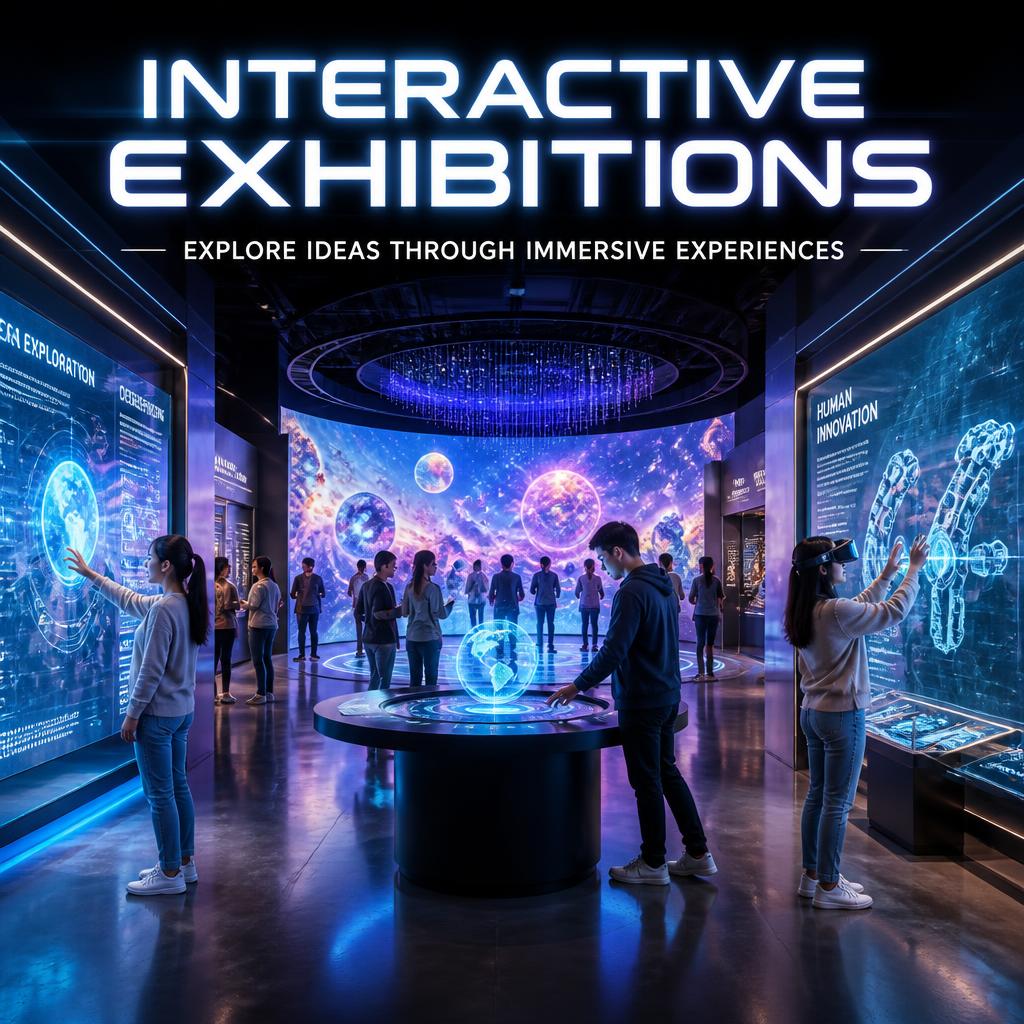
    Interactive Exhibitions: How Immersive Experiences Are Changing the Way We Explore Ideas

    artitudesgallery.com – Interactive Exhibitions: How Immersive Experiences Are Changing the Way We Explore Ideas reflects a major shift in how museums, galleries, cultural venues, and educational spaces connect with modern audiences. Instead of simply looking at objects and reading information panels, visitors can now touch, explore, listen, experiment, and actively participate. This approach turns an ordinary visit into a memorable experience where people become part of the story rather than passive observers.

    What Are Interactive Exhibitions?

    Interactive exhibitions are environments designed to encourage active visitor participation. They may include simple hands-on displays, responsive installations, digital screens, soundscapes, simulations, or immersive rooms.

    Some exhibitions also use advanced technologies such as augmented reality, virtual reality, motion sensors, and projection mapping. However, technology is only useful when it supports a clear purpose. The real goal is to help visitors understand ideas through direct experience.

    From Passive Viewing to Active Discovery

    Traditional exhibitions usually ask people to observe objects and read descriptions. Interactive spaces create a different rhythm.

    Visitors might solve a puzzle, trigger an animation, manipulate a model, or make choices that change what happens next. Because actions produce visible results, learning becomes more personal and engaging.

    Why Participation Makes a Difference

    Participation creates a stronger connection between visitors and information. When people physically or mentally interact with something, they are more likely to remember it.

    A science exhibition, for example, could allow visitors to adjust environmental variables and immediately see how those changes affect a simulated ecosystem. Instead of only reading facts, they discover relationships themselves.

    Why Interactive Exhibitions Are Growing in Popularity

    Modern audiences interact with responsive technology every day. Smartphones, games, apps, and digital media have changed expectations about how information should feel.

    As a result, many cultural institutions now combine traditional displays with participatory experiences.

    Memorable Experiences Matter

    People may forget a paragraph on an information panel, but they often remember doing something unusual.

    Perhaps they entered a room filled with moving projections, reconstructed an ancient object digitally, or heard a historical story change according to their decisions.

    These experiences connect information with emotion, movement, and curiosity. That combination can make learning feel natural rather than forced.

    Exhibitions Can Become Social Spaces

    Interactive installations also encourage conversation. Families solve challenges together, friends compare results, and children share discoveries with adults.

    In this way, an exhibition becomes more than a collection of displays. It becomes a shared social experience where visitors learn from both the content and one another.

    Where Interactive Exhibitions Are Used

    Interactive exhibitions appear in museums, science centers, galleries, historical sites, visitor attractions, trade shows, and temporary pop-up events.

    Each setting uses participation differently depending on its audience and purpose.

    Museums and Cultural Institutions

    Museums often use interactive elements to explain subjects that might otherwise feel distant.

    For example, a historical exhibition could combine authentic artifacts with an interactive map showing how a city changed over several centuries. Visitors could select different periods and instantly compare architecture, population, and social development.

    The digital layer does not replace genuine artifacts. Instead, it adds useful context.

    Science and Educational Spaces

    Science centers are ideal environments for hands-on learning.

    Visitors can experiment with gravity, electricity, sound, engineering, biology, or environmental systems. They perform an action, observe the result, and adjust their understanding.

    This learning-by-doing approach makes complicated concepts easier to grasp.

    How Technology Creates Immersive Experiences

    Modern technology allows exhibition designers to build environments that respond directly to visitors.

    However, successful installations should feel intuitive. A complicated touchscreen or impressive digital wall adds little value if people cannot understand what to do.

    Augmented and Virtual Reality

    Augmented reality can place digital information over physical objects. Visitors might point a device at an archaeological model and see how buildings may have looked centuries ago.

    Meanwhile, virtual reality can transport people into environments that are difficult or impossible to visit physically, such as deep space, ancient cities, or underwater landscapes.

    Projection Mapping Transforms Spaces

    Projection mapping turns ordinary walls, floors, and structures into dynamic visual environments.

    A simple room can become an ocean, historical landscape, or moving artistic world. Because projections can surround visitors, they create immersion without requiring everyone to wear a headset.

    Why Storytelling Matters More Than Technology

    Technology attracts attention, but storytelling gives an exhibition meaning.

    Without a clear narrative, digital features can feel like unrelated entertainment. Visitors may enjoy pressing buttons without understanding the larger message.

    Every interaction should therefore answer an important question: why should visitors do this?

    Perhaps the activity explains how something works, reveals different perspectives, or encourages people to consider a difficult decision.

    Creating Emotional Connections

    Facts provide information, while stories help people understand why those facts matter.

    An exhibition about migration, for example, could combine statistics with personal recordings, photographs, maps, and individual journeys. Visitors then connect large historical patterns with real human experiences.

    That emotional connection often makes information more memorable.

    Designing for Different Visitors

    Not everyone explores an exhibition in the same way.

    Some people enjoy detailed explanations, while others prefer visual discovery. Children may learn through physical play, whereas adults might spend longer exploring historical context.

    Good exhibition design offers several ways to participate.

    Accessibility Should Come First

    Accessibility should be considered from the beginning.

    Designers need to think about wheelchair access, readable typography, captions, audio alternatives, tactile information, screen height, language options, sensory sensitivity, and clear navigation.

    Keep Interactive Interfaces Simple

    Visitors usually encounter exhibition technology without training.

    Therefore, instructions should be immediately understandable. Clear symbols, simple prompts, and fast feedback help people focus on the experience rather than struggle with controls.

    Who Creates Interactive Exhibitions?

    Creating an interactive exhibition usually requires a multidisciplinary team.

    Curators and researchers ensure accuracy, while writers shape the narrative. Designers organize the visitor journey, and programmers, animators, sound specialists, fabricators, and accessibility experts develop individual components.

    Strong collaboration ensures that content, technology, and physical design work together naturally.

    Common Challenges in Interactive Exhibition Design

    Interactive experiences must survive thousands of visitors, so durability matters.

    Touchscreens, buttons, sensors, and physical components need regular maintenance. Designers must also consider budgets, visitor flow, software reliability, and long-term technical support.

    Another challenge is overstimulation.

    If every wall flashes and every station demands attention, visitors can quickly become tired. Successful exhibitions balance energetic interactive areas with quieter spaces for reading, observing, and reflection.

    The Future of Interactive Exhibitions

    Future exhibitions may become increasingly responsive and personalized. Artificial intelligence, spatial computing, advanced sensors, and adaptive digital content could create experiences that respond differently to each visitor.

    Still, technology alone will never guarantee a meaningful experience.

    Strong ideas, accessible design, emotional storytelling, and purposeful participation will remain essential. Ultimately, Interactive Exhibitions: How Immersive Experiences Are Changing the Way We Explore Ideas shows how thoughtfully designed spaces can transform visitors from passive spectators into active explorers, creating experiences they understand, remember, discuss, and genuinely enjoy.
  • Creative Showcases That Connect New Audiences With Innovative Ideas

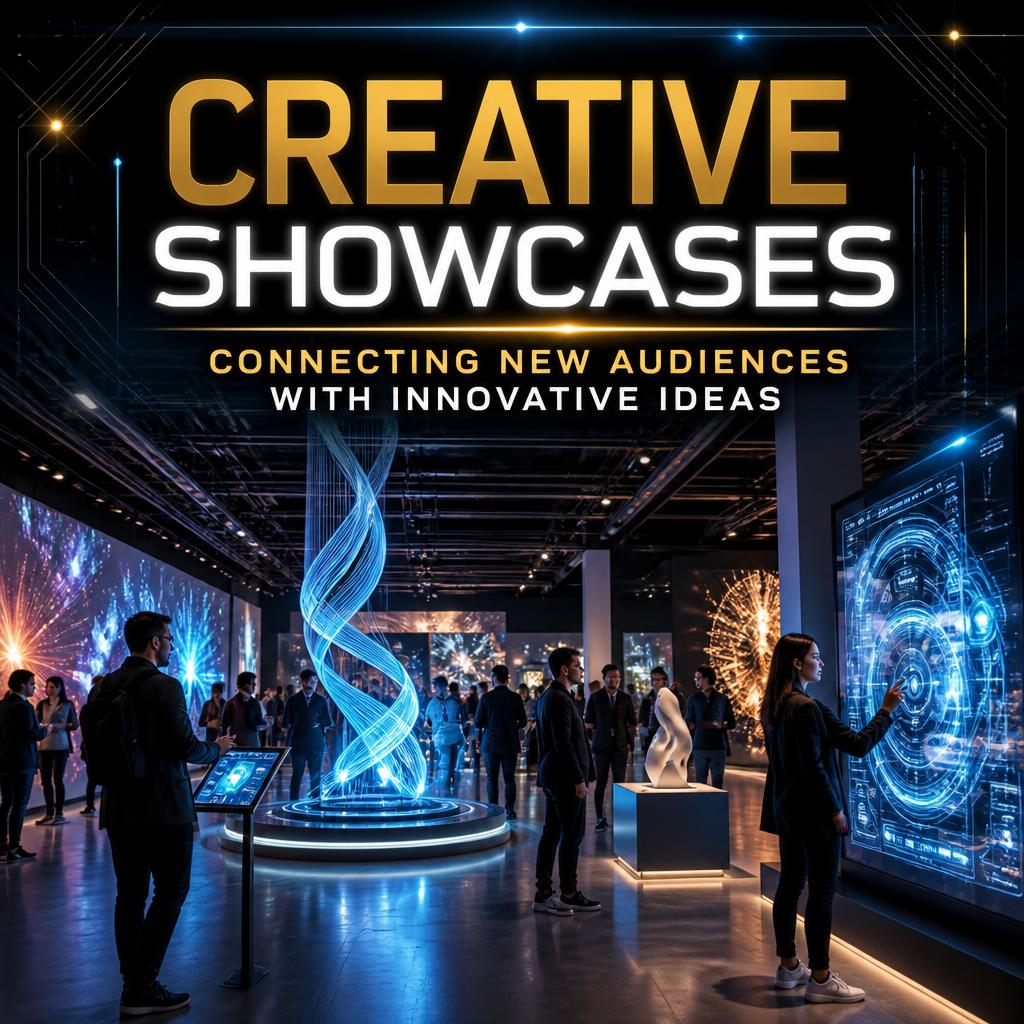
    Creative Showcases That Connect New Audiences With Innovative Ideas

    artitudesgallery.com – Creative Showcases That Connect New Audiences With Innovative Ideas are becoming an important way for creators, organizations, and communities to share fresh perspectives with the world. Modern exhibitions and events are no longer just about displaying objects in a room; they are immersive experiences where art, technology, culture, and storytelling meet to create meaningful connections. From small local gatherings to international creative festivals, these platforms help unique ideas reach people who may never have discovered them otherwise.

    The Growing Role of Creative Exhibitions in Modern Culture

    Creative exhibitions have changed significantly over the years. Traditionally, galleries and events focused mainly on presenting finished works, but today’s audiences expect more interaction, emotional connection, and memorable experiences.

    A successful exhibition combines visual design, storytelling techniques, and audience participation. Visitors are not only observers but also active participants who explore concepts, share opinions, and create personal memories.

    This transformation has made exhibitions valuable tools for artists, entrepreneurs, designers, and cultural organizations that want to introduce new ideas to wider communities.

    Understanding How Events Bring Ideas Closer to New Audiences

    What Makes an Exhibition Truly Engaging?

    An engaging exhibition focuses on creating a journey rather than simply showing information. Every element, from lighting and layout to digital features and presentation style, influences how visitors understand the message behind the event.

    Creative organizers often use experiential design to build environments that stimulate curiosity. This approach considers human emotions, movement patterns, and sensory responses to make the experience more powerful.

    For example, an interactive technology exhibition may allow visitors to test new inventions, while an art event may encourage people to contribute their own interpretations.

    Who Benefits From Creative Events?

    Creative events benefit many groups, including:

    • Artists who gain exposure and opportunities to connect with audiences.
    • Businesses that introduce innovative products and concepts.
    • Communities that celebrate local talent and cultural identity.
    • Visitors who discover inspiration and new knowledge.

    These events create a bridge between creators and people who might otherwise never encounter their work.

    Where Creative Exhibitions Are Finding New Opportunities

    Today, creative exhibitions appear in many different locations. Traditional museums and galleries remain popular, but unexpected spaces are also becoming creative destinations.

    Urban areas often transform warehouses, outdoor spaces, historical buildings, and public areas into temporary exhibition venues. This approach creates a sense of discovery because audiences experience creativity in places they do not normally associate with art.

    Digital platforms have also expanded possibilities. Virtual exhibitions, online showcases, and hybrid events allow creators to reach international audiences without geographical limitations.

    The Importance of Storytelling in Audience Connection

    Why Stories Make Exhibitions More Memorable

    People naturally connect with stories. A collection of objects or images becomes more meaningful when visitors understand the background, purpose, and emotions behind them.

    Strong storytelling helps audiences answer important questions:

    • Why was this creation made?
    • Who inspired the idea?
    • What problem does it solve?
    • How does it relate to everyday life?

    Many successful exhibitions use narrative architecture, a concept where the physical arrangement of an event guides visitors through a carefully designed story.

    Instead of moving randomly from one display to another, visitors experience a structured journey that creates stronger emotional engagement.

    Technology Transforming the Future of Creative Events

    Technology continues to reshape how exhibitions are created and experienced. Tools such as augmented reality (AR), virtual reality (VR), artificial intelligence, and interactive displays provide new ways for audiences to participate.

    For example, AR applications can add digital information to physical displays, allowing visitors to explore additional layers of content through smartphones or smart devices.

    Creators are also using data analytics to understand visitor behavior. These insights help organizers improve layouts, personalize experiences, and design events that better match audience expectations.

    The combination of creativity and technology has opened opportunities for more inclusive and accessible experiences. People from different backgrounds can now engage with creative content in ways that fit their preferences.

    Exhibitions and Events Bringing Creative Ideas To New Audiences Through Innovative Approaches

    Many organizations now focus on making exhibitions more accessible, interactive, and community-driven. Exhibitions and Events Bringing Creative Ideas To New Audiences represent a movement where creativity is shared beyond traditional spaces and reaches people through unique experiences.

    These events often include workshops, live demonstrations, discussions, and collaborative projects. By encouraging participation, organizers create stronger relationships between creators and audiences.

    A modern exhibition is not simply a place where people look at something. It becomes a platform where conversations begin, ideas develop, and new possibilities emerge.

    How Creative Events Support Emerging Talent

    Creating Opportunities for New Creators

    Emerging artists and innovators often struggle to gain visibility. Exhibitions provide a valuable platform where they can introduce their work and build professional connections.

    Many creative events include special sections dedicated to young creators, independent designers, and experimental projects. These opportunities allow fresh voices to compete with established names and bring different viewpoints into the spotlight.

    Exposure from exhibitions can lead to collaborations, partnerships, and future career growth.

    Building Stronger Creative Communities

    Beyond individual success, exhibitions help develop creative ecosystems. When people gather around shared interests, they exchange knowledge and encourage innovation.

    Communities formed through these events often continue working together after the exhibition ends. This long-term impact helps maintain creativity and supports future projects.

    The Future Direction of Exhibitions and Events

    The future of exhibitions will likely focus on deeper audience involvement, sustainability, and personalized experiences.

    Environmental awareness is becoming an important consideration, with many organizers adopting eco-friendly materials, reusable structures, and responsible event planning.

    Meanwhile, personalized digital experiences may allow visitors to explore exhibitions based on their interests. Instead of following a single path, audiences may receive customized recommendations that create unique journeys.

    As technology and creativity continue to evolve, exhibitions will become even more dynamic spaces for learning, inspiration, and connection.

    Final Thoughts on Creative Connections Through Public Experiences

    Creative exhibitions and events continue to prove that ideas become more powerful when they are shared with others. They create opportunities for discovery, encourage conversations, and introduce innovative concepts to wider communities. Through thoughtful design, storytelling, and modern technology, these experiences transform ordinary visits into meaningful memories. Creative Showcases That Connect New Audiences With Innovative Ideas will continue shaping how people experience creativity, culture, and inspiration in the years ahead.