Tag: inspiring artwork

  • Art Blog: A Creative Guide to Discovering Ideas, Stories, and Modern Artistic Inspiration

    Art Blog: A Creative Guide to Discovering Ideas, Stories, and Modern Artistic Inspiration

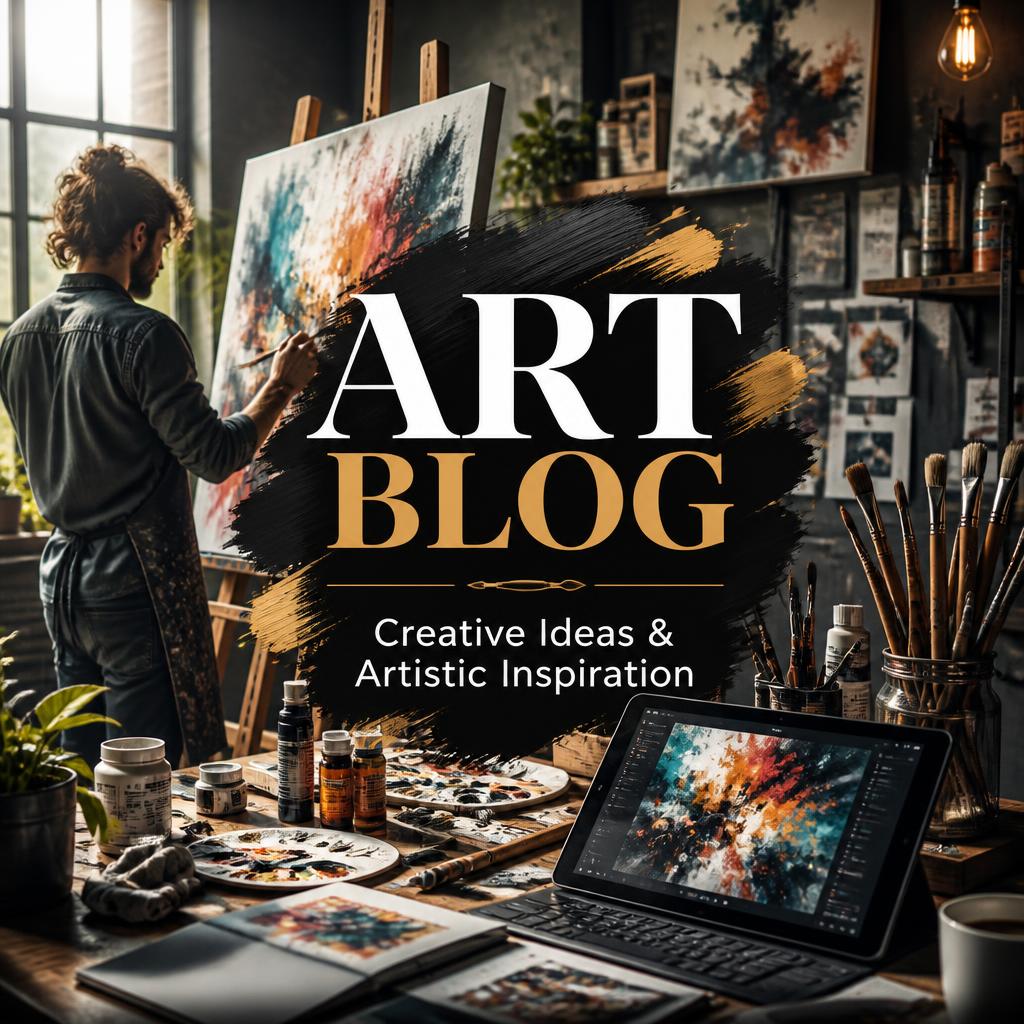
    artitudesgallery.com – Art Blog is a creative space where artists, enthusiasts, and curious readers can explore ideas, discover visual stories, and connect with the ever-changing world of art. Whether you are an experienced creator, a beginner searching for inspiration, or someone who simply enjoys beautiful works, an art-focused platform can provide valuable insights into creativity, techniques, culture, and personal expression.

    Understanding the Purpose of an Art Blog

    An art blog is more than just a collection of images or artwork showcases. It is a digital platform designed to share knowledge, experiences, opinions, and creative journeys related to different forms of art. Through thoughtful articles, artists can explain their processes, discuss trends, and introduce audiences to unique perspectives.

    The main goal of this type of content is to create a connection between creators and readers. Unlike traditional galleries that often focus only on finished pieces, blogs allow people to understand the stories, emotions, and decisions behind every artwork.

    Why Art Blogs Matter in the Digital Era

    The internet has completely changed how people experience creativity. In the past, many artists depended on physical exhibitions, printed magazines, or local communities to gain recognition. Today, a single online article can introduce an artist’s work to audiences across the world.

    An effective art blog helps:

    • Educate readers about artistic techniques and movements.
    • Support emerging artists by giving them a platform to share their work.
    • Document creative development through personal stories and experiences.
    • Encourage discussions about culture, design, and visual communication.

    Because of this accessibility, art blogs have become an important part of the modern creative ecosystem.

    Exploring Different Types of Content in an Art Blog

    A successful platform usually contains diverse topics to attract different audiences. Art is a broad field, and readers often search for specific information based on their interests.

    Artist Profiles and Creative Journeys

    One popular type of article focuses on individual creators. These stories usually explain who the artist is, where they come from, what inspires them, and how they develop their unique style.

    An artist profile can include information about:

    • Early influences and background.
    • Favorite materials and techniques.
    • Important exhibitions or achievements.
    • Personal philosophy behind their creations.

    These stories help readers understand that every artwork has a human experience behind it.

    Art Tutorials and Practical Learning Guides

    Many people visit art websites because they want to improve their own abilities. Educational articles can explain drawing methods, painting approaches, photography techniques, digital design skills, and other creative practices.

    Step-by-Step Creative Learning

    A useful tutorial should break complicated ideas into simple stages. For example, an article about painting techniques might explain how to choose colors, prepare materials, create layers, and improve details.

    Clear explanations allow beginners to learn without feeling overwhelmed. At the same time, experienced creators can discover new approaches to improve their existing skills.

    The Role of Art Blogs in Sharing Cultural Stories

    Art has always been connected to human history and culture. Every region has unique traditions, symbols, and creative expressions that reflect the values of its communities.

    An informative art blog can introduce readers to:

    • Traditional crafts from different countries.
    • Historical art movements.
    • Modern interpretations of cultural designs.
    • The relationship between society and creativity.

    Connecting Local Art With Global Audiences

    Digital platforms allow local artists to reach international communities. A creator from a small town can share their work with people thousands of miles away.

    This global connection creates opportunities for cultural exchange. Readers can discover new artistic styles while artists gain recognition beyond their original environment.

    How Artists Can Build Their Identity Through Blogging

    For creators, maintaining an online presence is an important part of personal branding. A consistent blog can demonstrate expertise, creativity, and dedication.

    Creating Authentic and Valuable Stories

    Audiences are naturally attracted to genuine experiences. Instead of only displaying finished artwork, artists can share the challenges, experiments, and lessons behind their creative process.

    A strong article might explain:

    • Why a specific idea was chosen.
    • How mistakes became learning opportunities.
    • What emotions influenced the final result.
    • How the artwork connects with personal experiences.

    This approach makes readers feel closer to the creator.

    Using Visual Elements Effectively

    Art is a highly visual field, so images play a major role in communication. High-quality photographs, illustrations, and design elements can make articles more engaging.

    However, visuals should support the story rather than replace it. A good balance between written explanation and creative presentation creates a better experience for readers.

    Modern Trends Influencing Art Blogs Today

    The art world continues to evolve as technology introduces new possibilities. Many creators now combine traditional skills with digital tools to explore different forms of expression.

    Digital Art and New Creative Technologies

    Digital platforms have opened opportunities for artists working with animation, graphic design, virtual experiences, and interactive media. Tools powered by artificial intelligence, advanced software, and online collaboration systems are changing how people create and share artwork.

    Although technology continues to develop, the human element remains essential. Creativity, emotion, and personal interpretation are still the foundation of meaningful art.

    Sustainable and Socially Conscious Art

    Many modern creators are exploring themes related to environmental awareness, social issues, and community improvement. These artworks often encourage conversations about important topics while offering new perspectives.

    An art blog can highlight these movements by explaining the messages behind contemporary creations.

    Building a Community Through an Art Blog

    A strong creative platform is not only about publishing articles. It is also about creating relationships between writers, artists, and audiences.

    Encouraging Reader Interaction

    Comments, discussions, and shared experiences can turn a simple website into an active creative community. Readers may provide feedback, ask questions, or share their own artistic discoveries.

    Creating Long-Term Engagement

    Consistent publishing, meaningful discussions, and valuable information help maintain audience interest. Over time, a well-managed platform can become a trusted destination for people interested in creativity.

    Where Readers Can Find Inspiration Through Art Content

    Inspiration can come from many places. Nature, architecture, personal memories, cultural experiences, and everyday situations can all become sources of creative ideas.

    A quality platform helps readers recognize these possibilities and understand that art is not limited to museums or professional studios. Creativity exists everywhere, waiting to be explored.

    The Future Direction of Creative Publishing

    The future of art publishing will likely continue combining storytelling, technology, and community interaction. As more people use digital platforms to discover and share creative work, online artistic discussions will become even more important.

    Creators who provide useful information, personal insights, and authentic experiences will have stronger connections with their audiences.

    Art continues to be one of the most powerful ways humans communicate ideas, emotions, and experiences. Through thoughtful discussions, educational resources, and inspiring stories, an Art Blog can become a valuable destination for anyone who wants to explore creativity, learn new techniques, or discover talented creators. As digital platforms continue growing, the role of an Art Blog will remain essential in connecting artists and audiences through meaningful artistic conversations.
  • Beautiful Art Collections With Stories Behind Each Piece

    Beautiful Art Collections With Stories Behind Each Piece

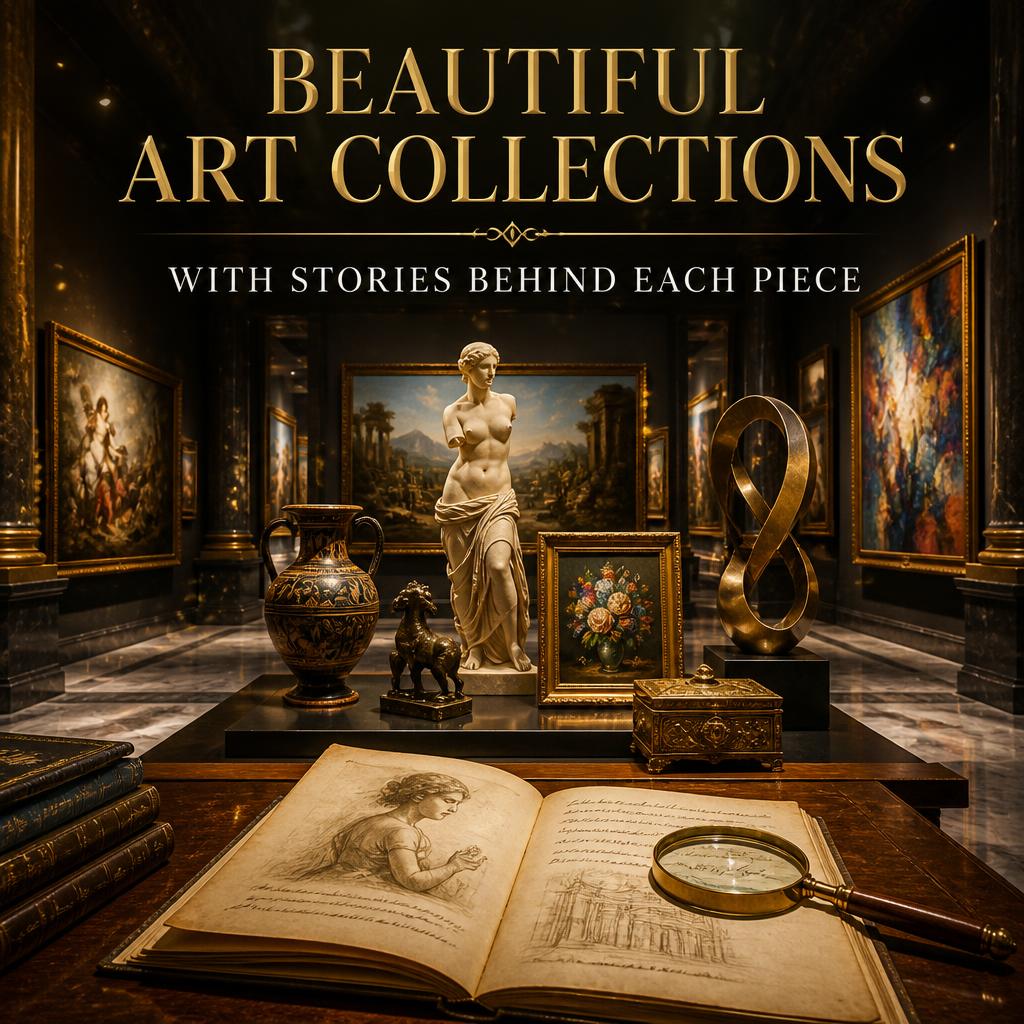
    artitudesgallery.com – Beautiful Art Collections With Stories Behind Each Piece offers a fascinating journey into the world of creativity, emotion, and history hidden inside every artwork. Art collections are not only groups of paintings, sculptures, photographs, or handcrafted objects displayed in galleries. Each piece often carries a unique background, a personal message from the artist, and a connection to a specific moment in time. Understanding these stories allows viewers to experience art on a deeper level rather than simply observing colors and shapes.

    Understanding the Meaning Behind Art Collections

    An art collection is a carefully selected group of artworks gathered by individuals, museums, or organizations based on themes, artistic styles, historical value, or personal appreciation. These collections can represent different cultures, generations, and creative movements.

    Many famous collections around the world are built around a central idea. Some focus on modernism, while others highlight traditional craftsmanship, ancient civilizations, or contemporary social issues. The purpose is not only preservation but also storytelling.

    Why Every Artwork Has a Hidden Story

    Behind every painting, sculpture, or installation, there is usually a reason why it was created. Artists often use their work to express emotions, describe personal experiences, or comment on society.

    A simple portrait may represent family memories. A landscape painting might capture a disappearing environment. Meanwhile, an abstract artwork could communicate feelings that words cannot easily explain.

    The story behind artwork often becomes the bridge connecting the creator and the audience. This emotional connection makes collections more meaningful and memorable.

    The Role of Artists in Creating Meaningful Collections

    Artists play an important role in transforming ordinary ideas into valuable visual experiences. Their backgrounds, beliefs, and surroundings often influence their creative process.

    A painter who grows up near the ocean may create works inspired by waves, marine life, and coastal communities. A sculptor living in a busy city might produce pieces reflecting urban movement and human interaction.

    How Personal Experiences Shape Artistic Expression

    Personal experiences are among the strongest influences in art creation. Many artists use their memories, challenges, and achievements as inspiration.

    The artistic process usually involves several stages, including research, experimentation, material selection, and final production. Some creators spend years developing a single masterpiece because they want every detail to represent their original vision.

    This approach creates a deeper connection between the artwork and its audience. Viewers can discover different interpretations depending on their own experiences and emotions.

    Exploring Different Types of Art Collections Around the World

    Art collections exist in many forms, from traditional museum exhibitions to private galleries and digital platforms. Each type provides a different way to explore creativity.

    Historical Art Collections

    Historical collections preserve important moments from the past. They often include ancient artifacts, classic paintings, and cultural objects that reveal information about previous civilizations.

    Museums carefully protect these pieces because they represent human development, technological progress, and cultural identity. Through historical collections, visitors can learn how people lived, worked, and expressed themselves centuries ago.

    Contemporary Art Collections

    Contemporary collections focus on modern ideas and current social topics. These collections often include experimental designs, digital creations, and mixed-media installations.

    Many contemporary artists combine traditional techniques with advanced technology. Concepts such as digital art, artificial intelligence, and interactive exhibitions have changed how people experience creativity today.

    Discovering the Stories Hidden Inside Famous Artworks

    Every remarkable collection contains pieces with interesting backgrounds. Some artworks become famous because of their artistic techniques, while others gain recognition because of the stories surrounding their creation.

    Collectors and historians often study elements such as the artist’s biography, historical period, materials used, and cultural influences. These details help explain why a particular artwork has significant value.

    A deeper appreciation of art requires curiosity. Instead of asking only “What does this look like?”, viewers can also ask “Why was this created?” and “What message does it represent?”

    How Collectors Build Meaningful Art Collections

    Building an impressive collection requires knowledge, passion, and careful decision-making. Collectors usually consider artistic quality, originality, historical importance, and emotional connection before acquiring a piece.

    Beautiful Art Collections With Stories Behind Each Piece can inspire collectors to look beyond appearance and focus on the deeper narratives that make artwork valuable.

    Important Factors Considered by Art Collectors

    Collectors often examine several aspects before purchasing artwork:

    Artistic Value and Technique

    The skill, creativity, and uniqueness of an artist’s technique can influence the importance of a piece. Strong craftsmanship often helps artwork remain valuable for generations.

    Cultural and Historical Background

    Artwork connected to important events or cultural movements can carry special significance. These pieces become visual records of human history.

    Emotional Connection

    Many collectors choose artworks because they create personal feelings. A meaningful piece can remind someone of a memory, place, or personal belief.

    The Importance of Preserving Art Collections for Future Generations

    Preservation allows future audiences to experience creative achievements from previous eras. Museums, galleries, and private collectors use advanced methods to protect artworks from damage.

    Modern preservation techniques include controlled environments, specialized lighting, and scientific analysis of materials. Experts in conservation science work carefully to maintain original conditions while preventing deterioration.

    Preserving art is not only about protecting objects. It is about keeping human stories alive and allowing future generations to understand different perspectives.

    How Technology Changes the Future of Art Exhibitions

    Technology has introduced new possibilities for displaying and experiencing collections. Virtual galleries, augmented reality, and online exhibitions allow people from different countries to explore artworks without visiting physical locations.

    Digital platforms also help emerging artists share their creations with wider audiences. This development has created a more inclusive art environment where creativity can reach millions of people.

    The Growth of Interactive Art Experiences

    Interactive exhibitions encourage visitors to participate instead of simply observing. These experiences combine visual design, sound, movement, and technology to create memorable moments.

    The relationship between artists and audiences continues to evolve as new tools become available.

    Why Art Collections Continue to Inspire People

    Art collections remain powerful because they represent human imagination and emotional expression. They tell stories about love, struggle, innovation, identity, and cultural transformation.

    Whether displayed in a large museum or a small private space, meaningful artwork can influence how people see the world. A single piece can create conversations, inspire creativity, and preserve memories that last for generations.

    Final Thoughts on the Stories Behind Every Artwork

    Art is much more than decoration. It is a collection of ideas, experiences, and emotions transformed into visual form. By exploring the history and meaning behind creative works, people can discover connections between artists, cultures, and different periods of human life. Beautiful Art Collections With Stories Behind Each Piece remind us that every artwork has a voice, and every story behind a creation deserves to be discovered.