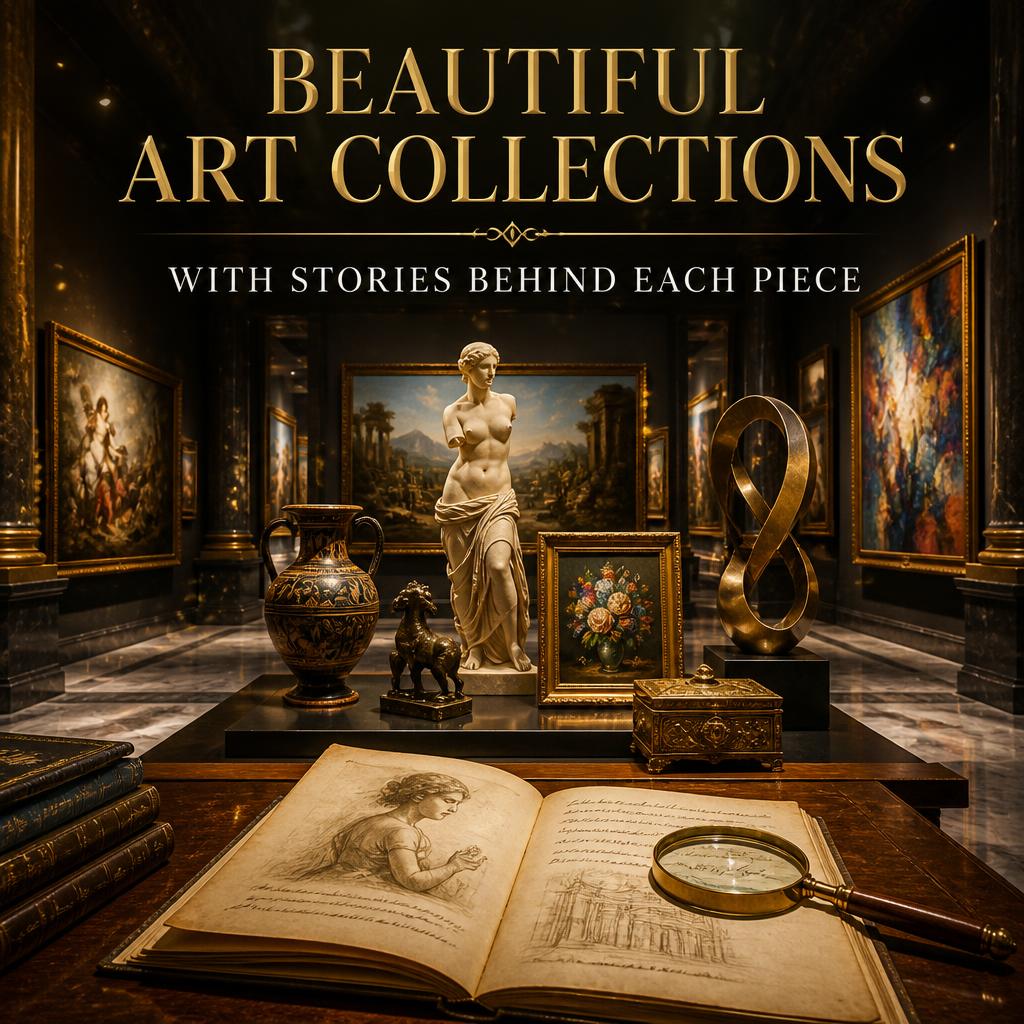
artitudesgallery.com – Beautiful Art Collections With Stories Behind Each Piece offers a fascinating journey into the world of creativity, emotion, and history hidden inside every artwork. Art collections are not only groups of paintings, sculptures, photographs, or handcrafted objects displayed in galleries. Each piece often carries a unique background, a personal message from the artist, and a connection to a specific moment in time. Understanding these stories allows viewers to experience art on a deeper level rather than simply observing colors and shapes.
Understanding the Meaning Behind Art Collections
An art collection is a carefully selected group of artworks gathered by individuals, museums, or organizations based on themes, artistic styles, historical value, or personal appreciation. These collections can represent different cultures, generations, and creative movements.
Many famous collections around the world are built around a central idea. Some focus on modernism, while others highlight traditional craftsmanship, ancient civilizations, or contemporary social issues. The purpose is not only preservation but also storytelling.
Why Every Artwork Has a Hidden Story
Behind every painting, sculpture, or installation, there is usually a reason why it was created. Artists often use their work to express emotions, describe personal experiences, or comment on society.
A simple portrait may represent family memories. A landscape painting might capture a disappearing environment. Meanwhile, an abstract artwork could communicate feelings that words cannot easily explain.
The story behind artwork often becomes the bridge connecting the creator and the audience. This emotional connection makes collections more meaningful and memorable.
The Role of Artists in Creating Meaningful Collections
Artists play an important role in transforming ordinary ideas into valuable visual experiences. Their backgrounds, beliefs, and surroundings often influence their creative process.
A painter who grows up near the ocean may create works inspired by waves, marine life, and coastal communities. A sculptor living in a busy city might produce pieces reflecting urban movement and human interaction.
How Personal Experiences Shape Artistic Expression
Personal experiences are among the strongest influences in art creation. Many artists use their memories, challenges, and achievements as inspiration.
The artistic process usually involves several stages, including research, experimentation, material selection, and final production. Some creators spend years developing a single masterpiece because they want every detail to represent their original vision.
This approach creates a deeper connection between the artwork and its audience. Viewers can discover different interpretations depending on their own experiences and emotions.
Exploring Different Types of Art Collections Around the World
Art collections exist in many forms, from traditional museum exhibitions to private galleries and digital platforms. Each type provides a different way to explore creativity.
Historical Art Collections
Historical collections preserve important moments from the past. They often include ancient artifacts, classic paintings, and cultural objects that reveal information about previous civilizations.
Museums carefully protect these pieces because they represent human development, technological progress, and cultural identity. Through historical collections, visitors can learn how people lived, worked, and expressed themselves centuries ago.
Contemporary Art Collections
Contemporary collections focus on modern ideas and current social topics. These collections often include experimental designs, digital creations, and mixed-media installations.
Many contemporary artists combine traditional techniques with advanced technology. Concepts such as digital art, artificial intelligence, and interactive exhibitions have changed how people experience creativity today.
Discovering the Stories Hidden Inside Famous Artworks
Every remarkable collection contains pieces with interesting backgrounds. Some artworks become famous because of their artistic techniques, while others gain recognition because of the stories surrounding their creation.
Collectors and historians often study elements such as the artist’s biography, historical period, materials used, and cultural influences. These details help explain why a particular artwork has significant value.
A deeper appreciation of art requires curiosity. Instead of asking only “What does this look like?”, viewers can also ask “Why was this created?” and “What message does it represent?”
How Collectors Build Meaningful Art Collections
Building an impressive collection requires knowledge, passion, and careful decision-making. Collectors usually consider artistic quality, originality, historical importance, and emotional connection before acquiring a piece.
Beautiful Art Collections With Stories Behind Each Piece can inspire collectors to look beyond appearance and focus on the deeper narratives that make artwork valuable.
Important Factors Considered by Art Collectors
Collectors often examine several aspects before purchasing artwork:
Artistic Value and Technique
The skill, creativity, and uniqueness of an artist’s technique can influence the importance of a piece. Strong craftsmanship often helps artwork remain valuable for generations.
Cultural and Historical Background
Artwork connected to important events or cultural movements can carry special significance. These pieces become visual records of human history.
Emotional Connection
Many collectors choose artworks because they create personal feelings. A meaningful piece can remind someone of a memory, place, or personal belief.
The Importance of Preserving Art Collections for Future Generations
Preservation allows future audiences to experience creative achievements from previous eras. Museums, galleries, and private collectors use advanced methods to protect artworks from damage.
Modern preservation techniques include controlled environments, specialized lighting, and scientific analysis of materials. Experts in conservation science work carefully to maintain original conditions while preventing deterioration.
Preserving art is not only about protecting objects. It is about keeping human stories alive and allowing future generations to understand different perspectives.
How Technology Changes the Future of Art Exhibitions
Technology has introduced new possibilities for displaying and experiencing collections. Virtual galleries, augmented reality, and online exhibitions allow people from different countries to explore artworks without visiting physical locations.
Digital platforms also help emerging artists share their creations with wider audiences. This development has created a more inclusive art environment where creativity can reach millions of people.
The Growth of Interactive Art Experiences
Interactive exhibitions encourage visitors to participate instead of simply observing. These experiences combine visual design, sound, movement, and technology to create memorable moments.
The relationship between artists and audiences continues to evolve as new tools become available.
Why Art Collections Continue to Inspire People
Art collections remain powerful because they represent human imagination and emotional expression. They tell stories about love, struggle, innovation, identity, and cultural transformation.
Whether displayed in a large museum or a small private space, meaningful artwork can influence how people see the world. A single piece can create conversations, inspire creativity, and preserve memories that last for generations.
Final Thoughts on the Stories Behind Every Artwork
Art is much more than decoration. It is a collection of ideas, experiences, and emotions transformed into visual form. By exploring the history and meaning behind creative works, people can discover connections between artists, cultures, and different periods of human life. Beautiful Art Collections With Stories Behind Each Piece remind us that every artwork has a voice, and every story behind a creation deserves to be discovered.