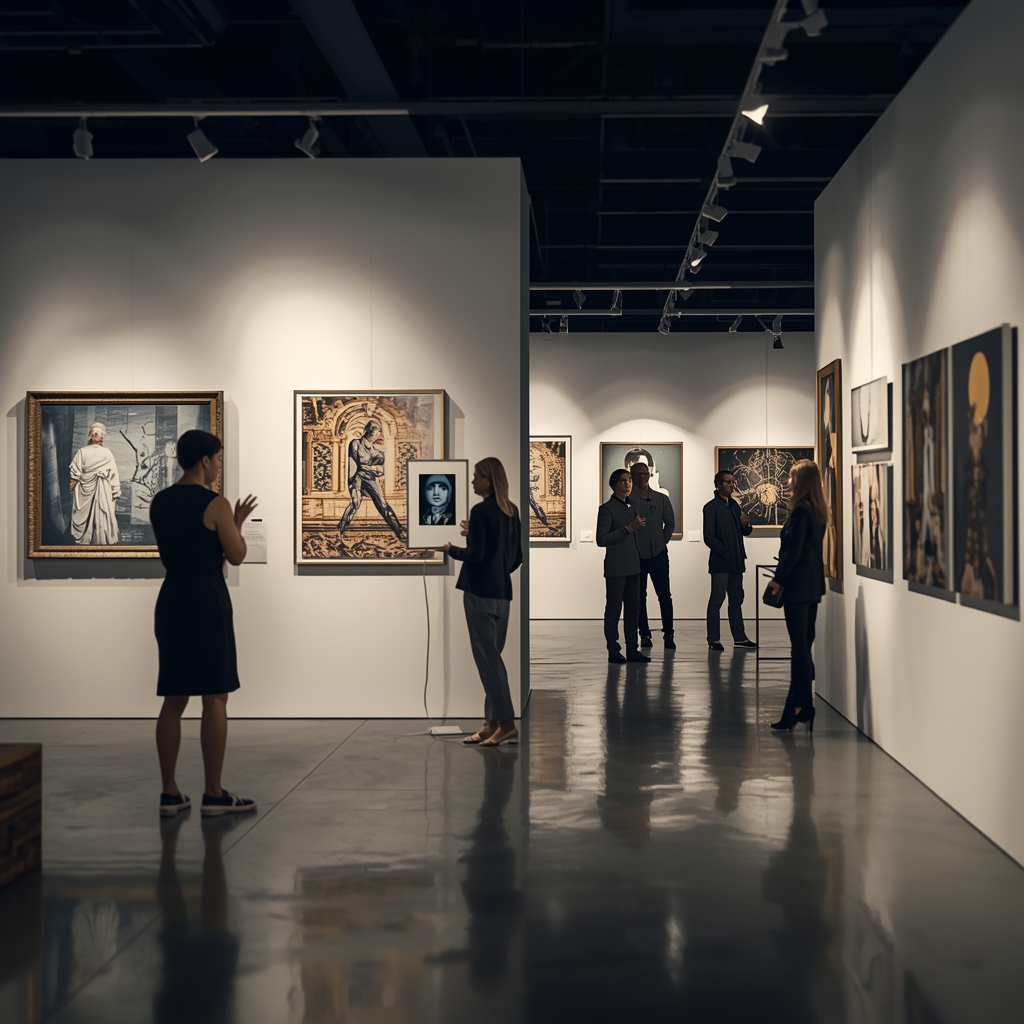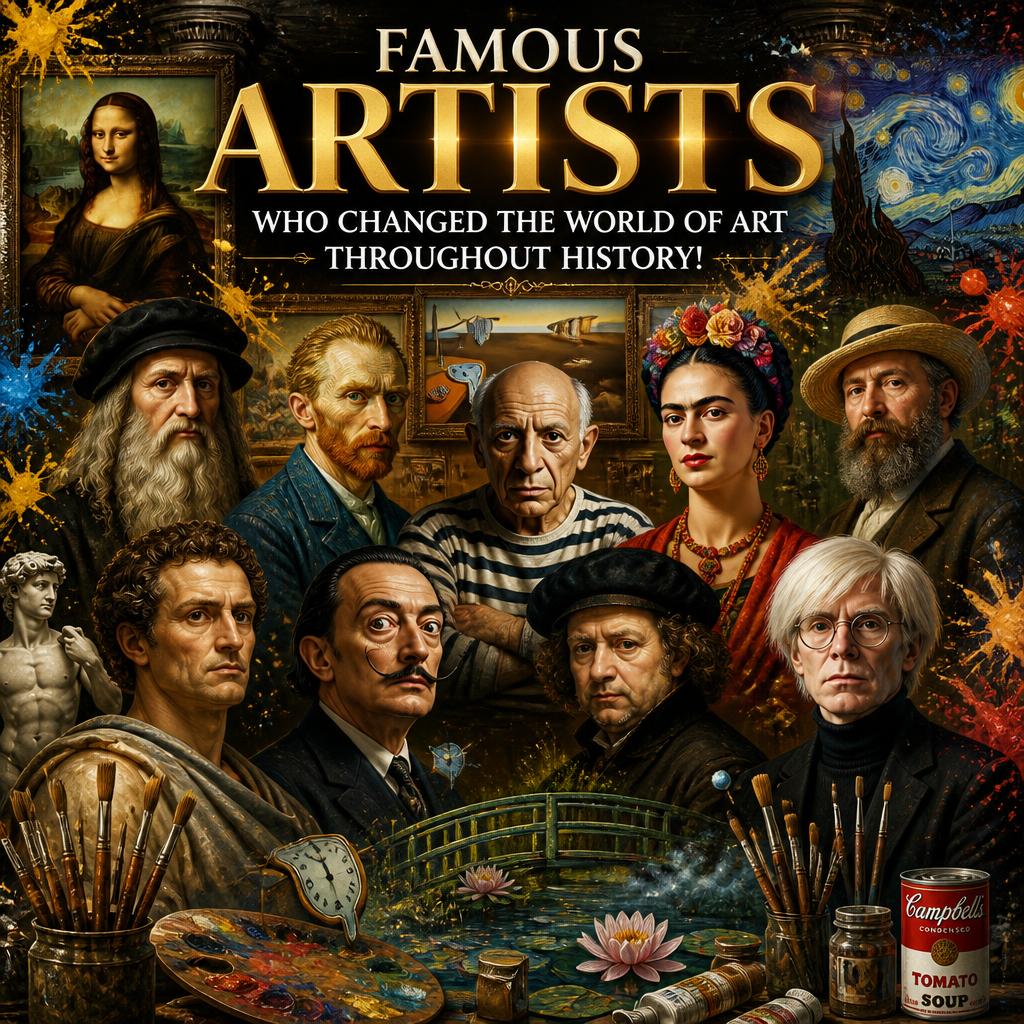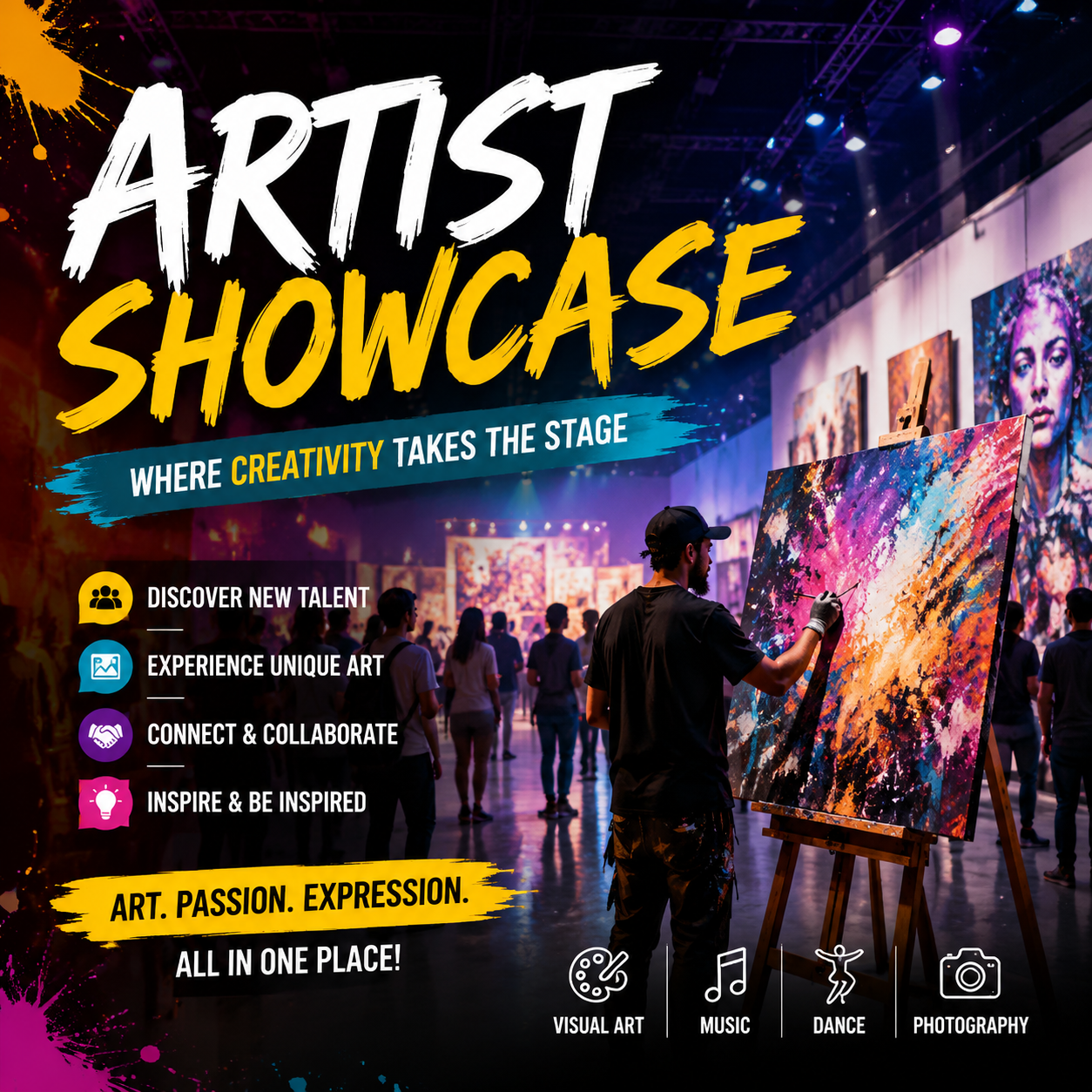
The Artist Showcase Chaos: When Talent Meets Stage, Lights & Drama is more than just a catchy phrase—it reflects how modern creative events blend performance, emotion, and competition into a single immersive experience. In today’s fast-moving digital era, an Artist Showcase is no longer limited to galleries or small studio exhibitions; it has evolved into a global stage where creativity meets technology, audience engagement, and cultural storytelling. – artitudesgallery
From live painting sessions in Tokyo to digital art festivals in New York, the concept of showcasing artists has transformed into a powerful ecosystem that connects creators with audiences in real time. This article explores how this phenomenon works, who it involves, and why it has become a crucial part of modern creative industries.
What is an Artist Showcase in the Modern Creative World
An Artist Showcase refers to a structured event or platform where creators present their artistic work to an audience, critics, or potential buyers. It can include visual arts, music, dance, digital media, and even experimental performance.
Who Participates in an Artist Showcase
Typically, participants include:
- Emerging artists looking for exposure
- Established professionals expanding their audience
- Curators selecting talent
- Event organizers and sponsors
- Art critics and media reviewers
Each participant plays a role in shaping the visibility and success of the event.
Where It Usually Happens
Artist showcases can take place in:
- Physical galleries and museums
- Music and cultural festivals
- Online platforms and metaverse environments
- Hybrid virtual-live exhibitions
The digital shift has made geography less relevant, allowing global participation.
When It Gains the Most Attention
These events peak during:
- Seasonal art festivals
- Cultural heritage months
- Major creative industry expos
- Online viral art trends
Timing often influences audience engagement and media coverage.
Why Artist Showcase Matters in Today’s Creative Economy
Artist showcases are not just entertainment—they are economic and cultural engines. They help artists monetize creativity, build personal brands, and connect with global audiences.
From a psychological perspective, exposure to art triggers dopaminergic activity in the brain, increasing emotional engagement and memory retention. This makes showcases powerful tools for storytelling and influence.
How Artist Showcase Works in Real Practice
The process of organizing a showcase involves curation, selection, presentation design, and audience targeting.
Curation and Selection Process
Curators evaluate:
- Originality of artwork
- Technical skill level
- Emotional impact
- Market relevance
Digital Platforms and Integration
Modern showcases rely heavily on platforms such as:
- Online exhibition spaces
- NFT marketplaces
- Social media live streams
- Virtual reality galleries
Evaluation Metrics
Success is measured using:
- Audience engagement rates
- Sales or commission conversions
- Social media impressions
- Press coverage and reviews
During this process, the Artist Showcase ecosystem acts as a bridge between creativity and commercial opportunity, allowing artists to scale their visibility far beyond local boundaries.
Behind the Scenes of a Successful Showcase
What audiences see is only the final layer. Behind the scenes, there is intensive coordination involving:
- Lighting and stage design specialists
- Sound engineers
- Digital experience designers
- Marketing strategists
Even small adjustments in presentation can significantly impact audience perception and emotional response.
Technology Transforming Artist Showcases
Modern showcases are deeply influenced by technology such as:
- Artificial Intelligence (AI) for curating personalized exhibitions
- Augmented Reality (AR) for interactive viewing
- Virtual Reality (VR) for immersive galleries
- Blockchain for digital ownership verification
These tools reshape how audiences experience creativity, making art more interactive and data-driven.
Marketing Impact and Global Reach
Artist showcases are now marketing engines for creative professionals. Artists use storytelling, branding, and social media strategies to grow their audience.
Key strategies include:
- Short-form video content teasers
- Behind-the-scenes storytelling
- Influencer collaborations
- Limited edition releases
The goal is not just visibility but emotional connection with audiences.
Common Mistakes in Organizing an Artist Showcase
Even experienced organizers face challenges such as:
- Poor audience targeting
- Overcrowded event design
- Weak narrative structure
- Lack of digital integration
Avoiding these mistakes ensures better engagement and long-term success.
Future Trends of Artist Showcase
The future of artist showcases will likely include:
- Fully immersive metaverse exhibitions
- AI-generated collaborative art spaces
- Real-time global audience interaction
- Hybrid physical-digital festivals
Creativity will continue merging with technology, making showcases more dynamic and personalized.
The evolution of artistic expression continues to accelerate as technology, culture, and audience behavior change. What once started as simple gallery exhibitions has now become a global, interactive, and highly competitive environment where artists must adapt to survive and thrive.
In the end, the concept of Artist Showcase reflects more than just presentation—it represents identity, innovation, and the endless pursuit of creative recognition through the evolving world of modern art and digital culture known as Artist Showcase.