Tag: contemporary art trends

  • When Walls Start Whispering: The Secret Life of Art Collections in Modern Spaces

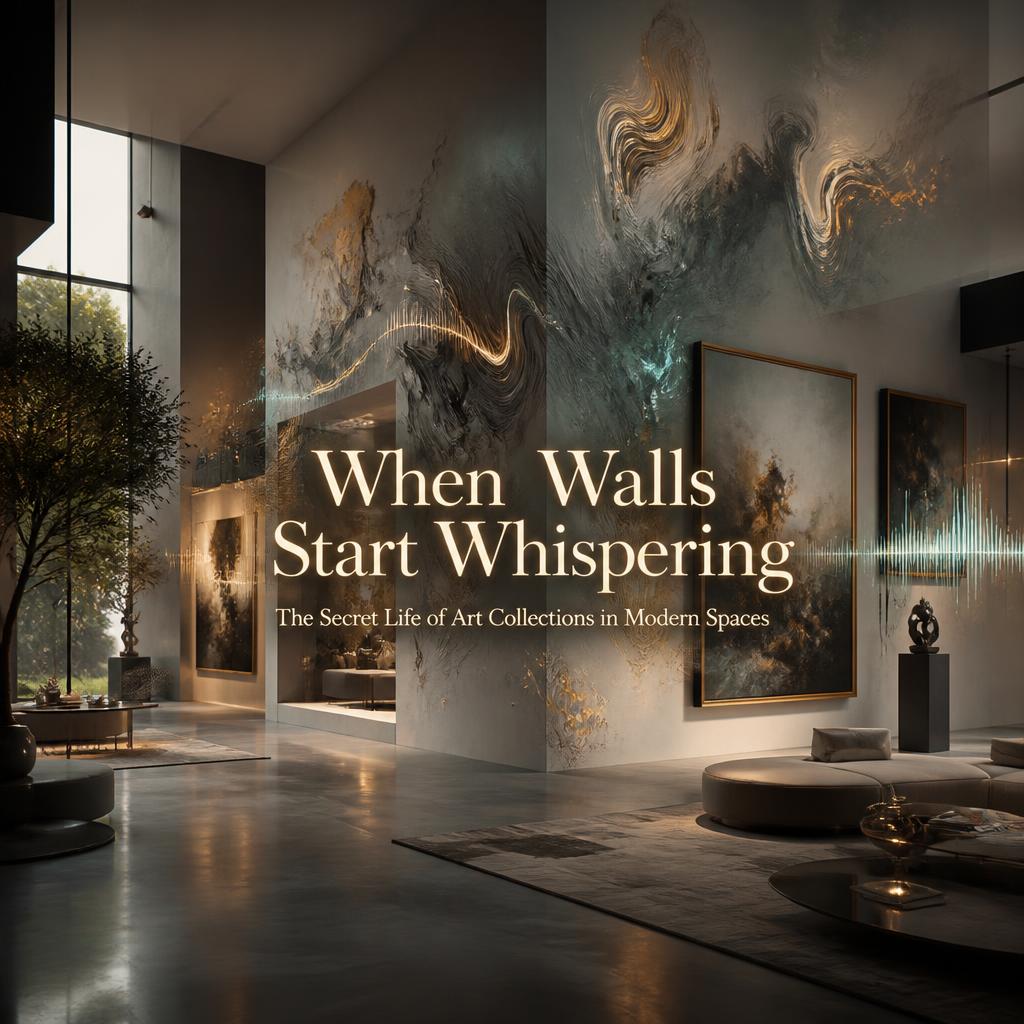
    When Walls Start Whispering: The Secret Life of Art Collections in Modern Spaces

    Art has always been more than decoration. It’s memory, identity, and sometimes even silent communication between generations. In modern spaces, from minimalist apartments to grand museums, walls are no longer passive backgrounds—they become storytellers. Each frame, sculpture, and installation carries intent, emotion, and cultural weight that quietly shapes how people experience a room. – artitudesgallery

    This is where the idea of curated art spaces becomes fascinating. Not just what is displayed, but why it is there, and how each piece interacts with another to form meaning that goes beyond aesthetics.


    The Hidden Language of Collecting Art

    Art collecting is often misunderstood as a luxury hobby. In reality, it functions like a visual language shaped by taste, culture, and psychology.

    What motivates collectors

    Collectors are rarely driven by a single reason. Some pursue emotional resonance, while others chase historical significance or investment value. A painting might remind someone of childhood landscapes, while a sculpture might represent intellectual curiosity or rebellion against convention.

    Emotional vs investment-driven collecting

    There are two dominant forces:

    • Emotional collecting: guided by memory, identity, and sentiment
    • Investment collecting: guided by market trends, rarity, and future value

    Most real collectors sit somewhere in between, balancing feeling with financial logic.


    Where Art Collections Take Shape (Homes, Museums, Digital Worlds)

    Art no longer belongs only to elite institutions. It lives everywhere.

    Museums as cultural archives

    Museums preserve civilizations through visual storytelling. From Renaissance masterpieces to contemporary installations, they act as curated timelines of human evolution.

    Private homes as personal galleries

    In homes, art becomes intimate. A hallway may hold abstract expressions, while a living room might display a bold centerpiece that reflects personality more than status.

    Digital spaces and virtual galleries

    With the rise of blockchain-based art and virtual exhibitions, collecting has entered a new frontier. Digital ownership challenges traditional ideas of authenticity and presence.


    When Collecting Becomes Identity

    Over time, collecting stops being about objects and starts reflecting the collector’s identity. What someone chooses to display often mirrors their internal worldview.

    Historical evolution of collecting culture

    From ancient royal treasuries to modern online auctions, collecting has always mirrored societal structure. In earlier centuries, art symbolized power. Today, it often reflects individuality and intellectual taste.


    Why People Build Collections

    The reasons go deeper than decoration or wealth.

    Psychology behind collecting behavior

    Humans naturally seek patterns and meaning. Collecting creates order in chaos, turning scattered objects into structured narratives.

    Status, memory, and storytelling

    Collections can signal sophistication, preserve memories, or tell personal stories without words. Each piece becomes a chapter in an unspoken autobiography.


    How Art Collecting Works in Real Life

    Behind every collection lies a process that is both strategic and intuitive.

    Sourcing and discovery

    Collectors find pieces through galleries, auctions, private dealers, or even emerging online platforms. The hunt itself often becomes part of the appeal.

    Authentication and provenance

    Verifying origin is crucial. Provenance ensures the artwork’s history is legitimate, protecting both emotional and financial value.

    Curation and placement

    Choosing where and how to display art is an art form in itself. Lighting, spacing, and thematic flow all affect perception.


    The Silent Evolution of Modern Collections

    In many modern galleries, Art Collections are no longer just decorative assets—they function as curated ecosystems of meaning, where each piece interacts with others to form emotional and intellectual continuity across the space.

    Collectors today often think like editors rather than owners. Instead of simply acquiring, they curate narratives that evolve over time, influenced by personal growth, global trends, and cultural shifts. A single room can shift mood entirely depending on arrangement, scale, and thematic balance.


    The Science and Aesthetics Behind Curation

    Art selection is not purely intuitive—it also has a scientific backbone.

    Color theory and spatial psychology

    Colors influence mood and perception. Warm tones often create intimacy, while cooler palettes evoke calm and reflection.

    Neuroaesthetics and human response

    Research in neuroaesthetics shows that the brain responds to symmetry, contrast, and complexity in predictable ways, explaining why certain artworks feel universally compelling.


    Global Trends in Contemporary Collecting

    Art collecting is no longer confined to traditional Western centers.

    Asia’s growing influence

    Cities like Seoul, Tokyo, and Singapore are emerging as major hubs for contemporary art, blending technology with tradition.

    Europe’s historical continuity

    Europe remains deeply tied to classical and modern movements, maintaining strong auction houses and heritage collections.

    The rise of borderless digital art

    Online platforms now allow global participation, removing geographical limitations entirely.


    Mistakes Beginners Make in Art Collecting

    Starting a collection can be exciting—but also risky.

    Overbuying without direction

    Many beginners accumulate pieces without a clear theme, resulting in visual clutter instead of cohesion.

    Ignoring provenance and context

    Skipping background checks can lead to authenticity issues or devalued pieces over time.


    Curated Inspiration for Modern Collectors

    ✔️ Discover Rare Art Collections That Transform Spaces and Value

    ✔️ Modern Art Collections That Instantly Elevate Your Home Style


    Art collecting is no longer a static activity reserved for elite circles. It has become a dynamic process shaped by emotion, science, culture, and technology. Whether displayed in a quiet apartment or a global museum, every piece contributes to a larger narrative that evolves over time, reflecting both the collector and the world around them.

    Understanding When Walls Start Whispering: The Secret Life of Art Collections in Modern Spaces reveals that art is never truly silent—it simply speaks in a language that rewards attention, patience, and curiosity.
  • Why Raw Sketches Are Taking Over Modern Art Blogs Fast

    Why Raw Sketches Are Taking Over Modern Art Blogs Fast

    The Rise of Imperfect Creativity in Digital Art Spaces

    artitudesgallery – Why Imperfect Sketches Are Dominating Modern Art Blogs has become one of the most discussed shifts in online creative culture. Across social platforms, portfolio sites, and independent art journals, unfinished pencil lines and rough compositions now attract more engagement than polished masterpieces.

    Artists once hid their draft pages. Today, they proudly feature them as centerpieces of their content strategy. This trend reflects a growing hunger for authenticity, emotional connection, and creative transparency.

    The Internet Is Tired of Over-Polished Art

    For years, digital art communities chased perfection. Smooth rendering, flawless anatomy, and hyper-detailed illustrations ruled feeds and galleries. However, audiences gradually became overwhelmed by content that felt too manufactured.

    Now, viewers stop scrolling when they see:

    • unfinished character sketches
    • raw pencil artwork
    • gesture drawing techniques
    • messy creative journals
    • behind-the-scenes art processes

    These forms of content feel human. They show mistakes, experimentation, and emotion without filters.

    Why Imperfection Feels More Authentic

    People connect emotionally with visible effort. A rough sketch exposes hesitation, energy, and spontaneity in ways polished art often cannot.

    Unlike heavily edited digital paintings, imperfect sketches reveal:

    The artist’s thinking process

    Natural hand movement

    Emotional intensity

    Creative risks and failures

    That honesty creates stronger audience trust.

    Art Blogs Are Shifting Toward Process Over Perfection

    Modern art blogs no longer function only as online galleries. Instead, they operate as storytelling platforms where artists explain how ideas evolve.

    Readers now want to see:

    Traditional Art Blog Modern Art Blog
    Finished artwork Creative process
    Final render Rough concept sketches
    Perfect compositions Experimental drafts
    Portfolio presentation Personal storytelling

    This transition has transformed blog content strategy across the art niche.

    Social Media Algorithms Reward Sketch Content

    Platforms like Instagram, Pinterest, and TikTok increasingly prioritize relatable and engaging visuals over technically perfect artwork.

    Quick sketch videos perform well because they:

    • capture attention instantly
    • encourage longer watch time
    • appear easier to recreate
    • inspire comments and saves

    As a result, many artists now publish sketchbook pages before posting completed pieces.

    The “Unfinished Look” Creates Curiosity

    An incomplete drawing invites viewers to mentally finish the image themselves. That participation boosts engagement naturally.

    People ask:

    • “What happens next?”
    • “Will this become a painting?”
    • “How did the artist create this pose?”

    Curiosity fuels clicks, shares, and discussion.

    Younger Audiences Prefer Creative Transparency

    Generation Z and younger millennials strongly value authenticity online. They often distrust content that appears excessively curated.

    This mindset affects art consumption too.

    Modern readers admire artists who openly show:

    • failed attempts
    • erased lines
    • rough thumbnails
    • anatomy corrections
    • chaotic sketchbook pages

    These imperfections make creators more approachable.

    Why Relatability Matters in Art Blogging

    A polished masterpiece can feel intimidating. Meanwhile, a rough sketch encourages beginners to try drawing themselves.

    That accessibility expands audience reach and improves community interaction.

    Many successful bloggers now intentionally include:

    • daily sketch challenges
    • practice drawing routines
    • imperfect ink illustrations
    • minimalist concept art

    These topics consistently attract organic traffic.

    Sketches Communicate Emotion Faster

    Detailed artwork often requires careful observation. Sketches, however, communicate mood almost instantly.

    Fast strokes and loose anatomy create energy that polished work sometimes loses during refinement.

    Gesture Drawings Feel Alive

    Gesture sketches emphasize movement rather than precision. Because of this, they often feel more emotional and cinematic.

    Artists use rough sketching to capture:

    • tension
    • speed
    • body language
    • atmosphere
    • emotional expression

    This emotional immediacy works exceptionally well in blog visuals.

    SEO Trends Favor Human-Centered Creative Content

    Search engines increasingly reward content that demonstrates originality, expertise, and user engagement. Art blogs featuring authentic process content often outperform generic portfolio websites.

    Strong-performing content now includes:

    • sketch breakdowns
    • time-lapse drawing sessions
    • artistic mistakes explained
    • beginner-friendly tutorials
    • sketchbook walkthroughs

    These topics naturally integrate long-tail keywords while remaining genuinely useful.

    Keyword Variations Driving Traffic

    Modern art blogs benefit from semantic search phrases such as:

    • creative sketch inspiration
    • modern sketchbook ideas
    • raw artistic expression
    • unfinished art aesthetics
    • contemporary drawing trends

    Using these naturally improves discoverability without keyword stuffing.

    Minimalism Is Influencing Visual Culture

    The popularity of minimalist aesthetics also contributes to the sketch movement. Audiences increasingly appreciate simplicity over visual overload.

    Clean pencil lines and negative space feel refreshing compared to heavily saturated digital compositions.

    Why Simpler Art Feels More Premium

    Ironically, less detail often creates stronger focus. Sketches highlight composition, movement, and storytelling without distractions.

    This approach aligns with modern branding trends across:

    • fashion
    • web design
    • editorial layouts
    • photography
    • architecture

    As visual culture evolves, sketch-based content feels more contemporary.

    Artists Are Building Stronger Personal Brands

    Many creators use imperfect sketches to establish recognizable artistic identities.

    Polished digital work can sometimes appear interchangeable. Sketches, however, reveal unique line quality and hand movement.

    That individuality strengthens:

    • audience loyalty
    • artistic branding
    • social engagement
    • blog memorability

    Sketches Create More Consistent Content

    Finished illustrations may take weeks. Sketches allow artists to publish frequently without sacrificing authenticity.

    This consistency helps blogs maintain:

    • fresh content updates
    • stronger SEO signals
    • returning readership
    • improved social visibility

    Frequent posting remains essential for long-term growth.

    Why Art Schools Still Emphasize Sketching

    Even professional art education prioritizes foundational sketch work. Before mastering rendering, students learn observation and structure.

    Sketching develops:

    • anatomy understanding
    • composition awareness
    • perspective skills
    • visual storytelling

    That educational foundation reinforces the value of imperfect drawing.

    FAQ About Imperfect Sketch Trends

    Why are sketches becoming more popular online?

    Sketches feel more authentic, relatable, and emotionally engaging than overly polished artwork. They also perform well on social media.

    Are unfinished drawings better for engagement?

    In many cases, yes. Rough artwork encourages curiosity, comments, and creative discussion among audiences.

    Do professional artists post sketches too?

    Absolutely. Many established illustrators and concept artists regularly share rough drafts and visual development pages.

    How do sketches help art blog SEO?

    Sketch-focused content supports long-tail keyword targeting, improves engagement metrics, and encourages repeat visits from readers.

    Can beginner artists benefit from posting imperfect work?

    Yes. Showing growth and experimentation often builds stronger audience connections than only posting perfect artwork.

    The growing popularity of Why Imperfect Sketches Are Dominating Modern Art Blogs reflects a larger cultural shift toward authenticity, emotional storytelling, and creative transparency. Audiences no longer seek flawless presentation alone. They want to witness the artistic journey, including mistakes, revisions, and raw imagination. As modern art communities continue embracing process-driven content, imperfect sketches are likely to remain one of the strongest visual trends shaping the future of digital creativity.

  • Why Art Collectors Pay Premium Prices for Raw Sketches

    Why Art Collectors Pay Premium Prices for Raw Sketches

    The Hidden Art Market Nobody Talks About

    artitudesgallery – Art Collectors Quietly Hunting Raw Sketches has become one of the most fascinating shifts in the modern art world. While most casual buyers chase polished paintings and gallery-ready masterpieces, experienced collectors are moving in the opposite direction. They are searching for unfinished pencil drafts, rough ink concepts, charcoal experiments, and private sketchbook pages that were never originally intended for public display.

    This growing obsession is changing how artists, galleries, and investors view creative value. Raw sketches now represent authenticity, emotional depth, and artistic vulnerability in ways that finished works often cannot. As a result, collectors from major cities like New York, Tokyo, London, Paris, and Seoul are quietly competing to acquire pieces once ignored by mainstream buyers.

    The movement may look subtle on the surface, yet behind closed gallery doors, sketch collecting has become a serious business.


    What Makes Raw Sketches So Valuable?

    The Appeal of Imperfection

    Finished artwork often feels controlled and polished. In contrast, raw sketches reveal the artist’s thought process in real time. You can see hesitation marks, erased lines, sudden ideas, and emotional shifts directly on the page.

    Collectors love this because it creates a deeper human connection.

    A rough sketch often captures:

    • The first emotional spark
    • Unfiltered creativity
    • Experimental concepts
    • Personal artistic habits
    • Abandoned ideas never shown publicly

    Instead of looking at perfection, collectors are witnessing creation itself.


    Why Collectors Prefer Sketches Over Finished Paintings

    Many modern collectors believe polished artwork sometimes loses emotional intensity during the refinement stage. Sketches preserve the original energy.

    That raw feeling matters.

    Some collectors compare sketches to demo recordings in music. Fans often love demos because they sound honest, intimate, and emotionally real. Art sketches create the same reaction.

    Additionally, sketches usually exist in limited quantities. Many artists destroy practice drafts, making surviving originals extremely rare.


    The Rise of Behind-the-Scenes Art Culture

    Social Media Changed How People View Creativity

    Platforms like Instagram, TikTok, and YouTube transformed audience behavior. People no longer want to see only final results. They want to watch the process.

    This shift dramatically increased interest in:

    • Studio footage
    • Work-in-progress drawings
    • Sketchbook tours
    • Pencil drafts
    • Prototype concepts

    Collectors followed the same trend. They began valuing “behind-the-scenes creativity” more than polished presentation.

    As a result, sketch collecting slowly evolved from niche hobby into luxury culture.


    Younger Buyers Want Authenticity

    Millennial and Gen Z collectors approach art differently from older generations. Instead of buying artwork purely for status, many younger buyers prioritize emotional meaning and originality.

    They ask questions like:

    • Who created this?
    • Why was it made?
    • What emotion existed during creation?
    • How does it reflect the artist’s real personality?

    Raw sketches answer those questions naturally.

    That emotional transparency gives sketches cultural power far beyond their simple appearance.


    Famous Artists Whose Sketches Became Priceless

    Pablo Picasso Sketches Continue Breaking Records

    Collectors have chased Pablo Picasso sketches for decades. Even his smallest notebook drawings can sell for astonishing prices because they reveal how he developed revolutionary artistic ideas.

    Buyers are not purchasing only a drawing.

    They are buying access to the artist’s mind.


    Leonardo da Vinci Proved Sketches Could Outlive Paintings

    Historical evidence also supports the value of unfinished work. Leonardo da Vinci’s anatomical studies and experimental sketches remain among the most admired artworks in history.

    Ironically, many were never intended as final presentation pieces.

    Yet today, they are considered priceless cultural treasures.


    Contemporary Artists Are Benefiting Too

    Modern creators now understand the growing demand for sketches. Some artists intentionally preserve drafts and studio notebooks instead of throwing them away.

    Collectors actively seek:

    • Fashion concept sketches
    • Comic rough drafts
    • Tattoo designs
    • Architecture concepts
    • Animation storyboards
    • Character development pages

    This trend continues expanding across creative industries.


    Why Raw Sketches Feel More Personal

    The Emotional Connection Is Stronger

    Finished gallery art can sometimes feel distant or formal. Sketches feel personal because they expose vulnerability.

    A collector may notice:

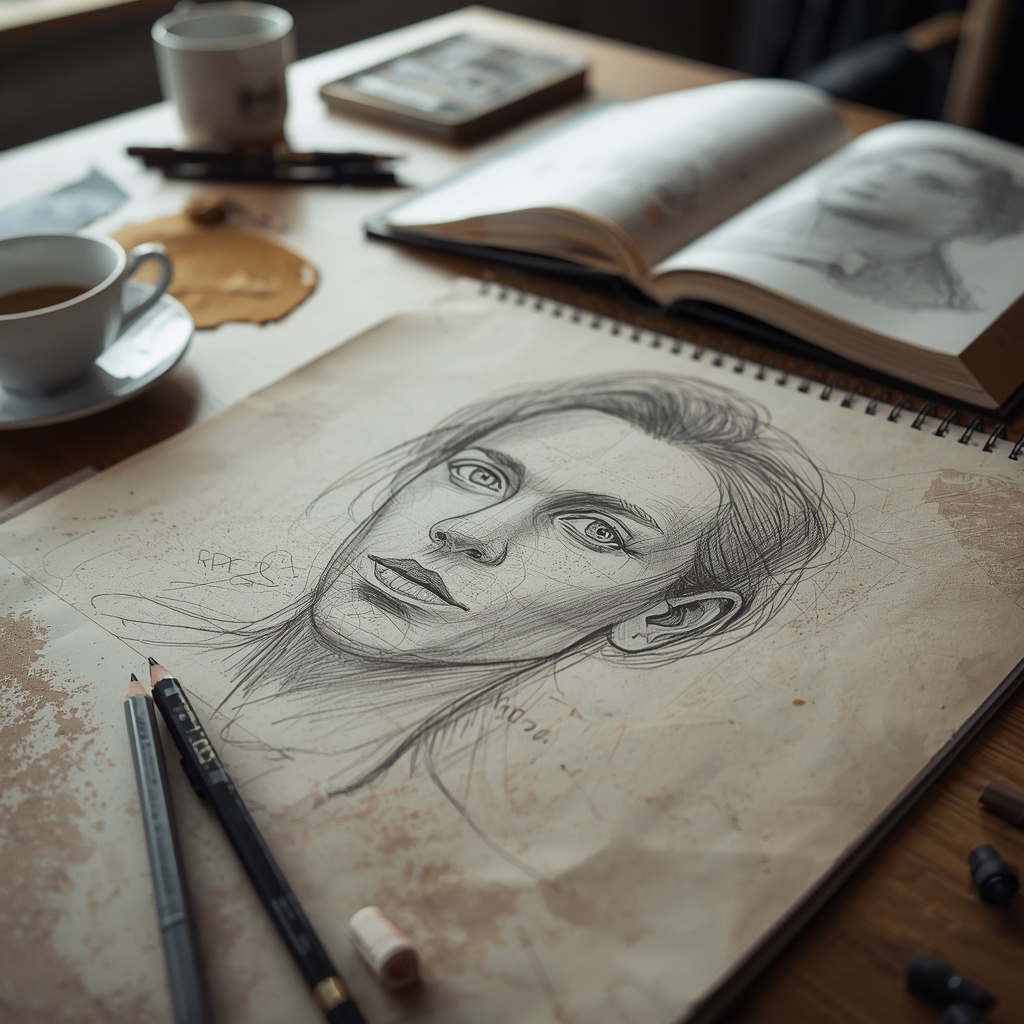
    • Smudged graphite
    • Coffee stains
    • Fold marks
    • Handwritten notes
    • Rapid corrections

    These imperfections create intimacy.

    They remind buyers that a real person sat there, thinking, struggling, experimenting, and creating something meaningful.


    H4: Collectors Love “Private Energy”

    Many sketch collectors describe their purchases as emotionally alive. They believe unfinished work contains stronger creative energy because the artist has not fully controlled or polished it yet.

    That unfinished tension creates emotional movement inside the piece.

    Oddly enough, what looks incomplete often feels more alive.


    The Investment Side of Sketch Collecting

    Sketches Are Becoming Alternative Assets

    Art investment has expanded beyond traditional paintings and sculptures. Wealthy buyers now treat rare sketches as alternative assets similar to vintage watches, rare vinyl records, and collectible photography.

    Several factors increase sketch value:

    Factor Why It Matters
    Artist Reputation Famous creators attract higher demand
    Rarity Many sketches are one-of-one originals
    Historical Importance Early concepts may connect to iconic works
    Condition Preserved paper increases value
    Provenance Verified ownership history matters

    Collectors understand that early-stage artwork may become culturally important later.


    Smaller Entry Point for New Collectors

    Another reason sketches are booming is affordability.

    A finished painting by a respected artist may cost €50,000 or more. Meanwhile, a sketch from the same artist could sell for a fraction of that price.

    This allows younger collectors to enter prestigious art markets without massive budgets.

    As demand grows, some sketches later multiply dramatically in value.


    Where Collectors Are Finding Raw Sketches

    Independent Studios and Small Galleries

    Many buyers avoid giant auction houses and instead search through smaller creative spaces where undiscovered talent still exists.

    Popular hunting grounds include:

    • Local art fairs
    • Independent galleries
    • Private studio sales
    • University exhibitions
    • Online artist portfolios
    • Estate collections

    Collectors often prefer quiet acquisitions rather than public bidding wars.

    That secrecy helps explain why the trend remains somewhat hidden from mainstream audiences.


    Online Communities Accelerated the Trend

    Private collector forums and digital art communities now connect buyers globally. Someone in Berlin can discover an illustrator in Jakarta within minutes.

    This worldwide accessibility changed everything.

    Collectors are no longer limited by geography. They can chase rare sketches from emerging artists anywhere in the world.


    Why Artists Are Releasing More Sketch Content

    Fans Crave Creative Transparency

    Artists noticed that audiences respond strongly to unfinished material. Instead of hiding rough drafts, many creators now showcase them proudly.

    Sketch content generates:

    • Strong engagement
    • Loyal fan communities
    • Emotional storytelling