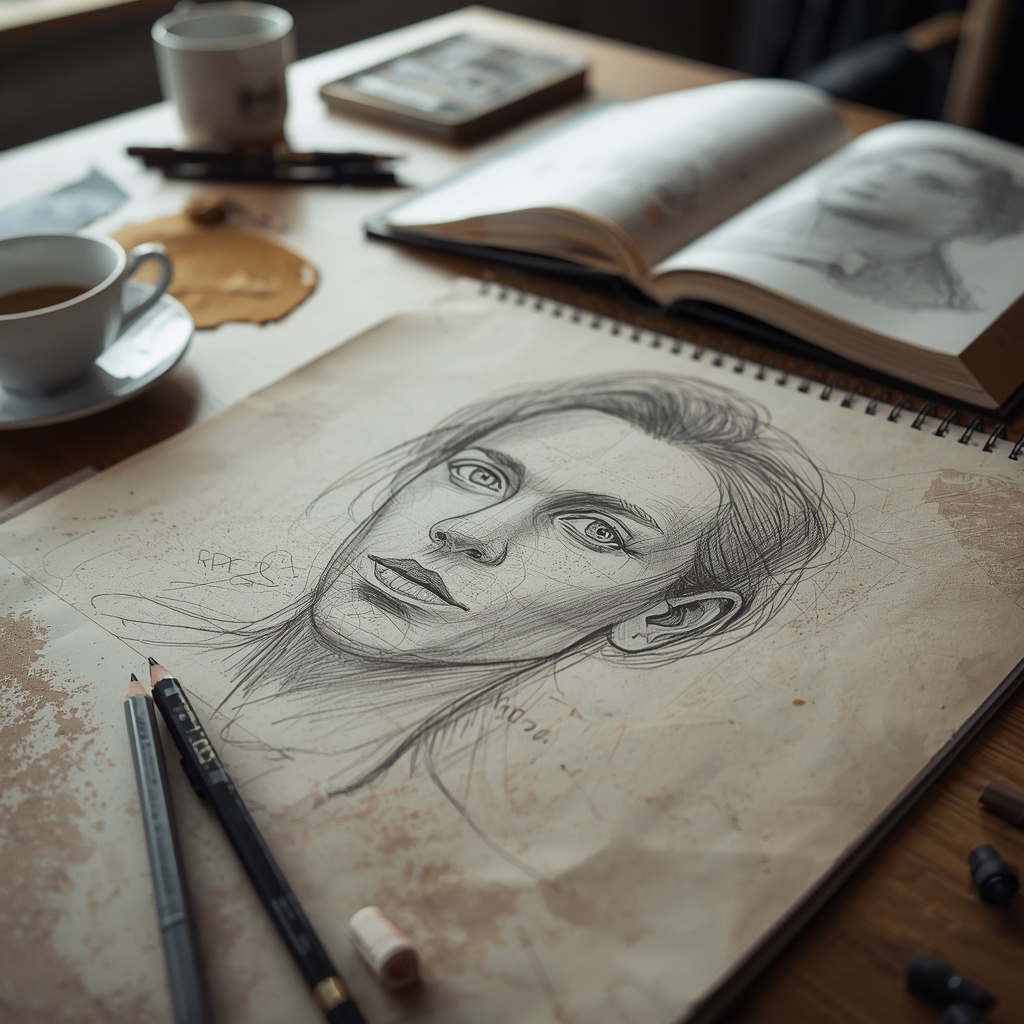
The Rise of Imperfect Creativity in Digital Art Spaces
artitudesgallery – Why Imperfect Sketches Are Dominating Modern Art Blogs has become one of the most discussed shifts in online creative culture. Across social platforms, portfolio sites, and independent art journals, unfinished pencil lines and rough compositions now attract more engagement than polished masterpieces.
Artists once hid their draft pages. Today, they proudly feature them as centerpieces of their content strategy. This trend reflects a growing hunger for authenticity, emotional connection, and creative transparency.
The Internet Is Tired of Over-Polished Art
For years, digital art communities chased perfection. Smooth rendering, flawless anatomy, and hyper-detailed illustrations ruled feeds and galleries. However, audiences gradually became overwhelmed by content that felt too manufactured.
Now, viewers stop scrolling when they see:
- unfinished character sketches
- raw pencil artwork
- gesture drawing techniques
- messy creative journals
- behind-the-scenes art processes
These forms of content feel human. They show mistakes, experimentation, and emotion without filters.
Why Imperfection Feels More Authentic
People connect emotionally with visible effort. A rough sketch exposes hesitation, energy, and spontaneity in ways polished art often cannot.
Unlike heavily edited digital paintings, imperfect sketches reveal:
The artist’s thinking process
Natural hand movement
Emotional intensity
Creative risks and failures
That honesty creates stronger audience trust.
Art Blogs Are Shifting Toward Process Over Perfection
Modern art blogs no longer function only as online galleries. Instead, they operate as storytelling platforms where artists explain how ideas evolve.
Readers now want to see:
| Traditional Art Blog | Modern Art Blog |
|---|---|
| Finished artwork | Creative process |
| Final render | Rough concept sketches |
| Perfect compositions | Experimental drafts |
| Portfolio presentation | Personal storytelling |
This transition has transformed blog content strategy across the art niche.
Social Media Algorithms Reward Sketch Content
Platforms like Instagram, Pinterest, and TikTok increasingly prioritize relatable and engaging visuals over technically perfect artwork.
Quick sketch videos perform well because they:
- capture attention instantly
- encourage longer watch time
- appear easier to recreate
- inspire comments and saves
As a result, many artists now publish sketchbook pages before posting completed pieces.
The “Unfinished Look” Creates Curiosity
An incomplete drawing invites viewers to mentally finish the image themselves. That participation boosts engagement naturally.
People ask:
- “What happens next?”
- “Will this become a painting?”
- “How did the artist create this pose?”
Curiosity fuels clicks, shares, and discussion.
Younger Audiences Prefer Creative Transparency
Generation Z and younger millennials strongly value authenticity online. They often distrust content that appears excessively curated.
This mindset affects art consumption too.
Modern readers admire artists who openly show:
- failed attempts
- erased lines
- rough thumbnails
- anatomy corrections
- chaotic sketchbook pages
These imperfections make creators more approachable.
Why Relatability Matters in Art Blogging
A polished masterpiece can feel intimidating. Meanwhile, a rough sketch encourages beginners to try drawing themselves.
That accessibility expands audience reach and improves community interaction.
Many successful bloggers now intentionally include:
- daily sketch challenges
- practice drawing routines
- imperfect ink illustrations
- minimalist concept art
These topics consistently attract organic traffic.
Sketches Communicate Emotion Faster
Detailed artwork often requires careful observation. Sketches, however, communicate mood almost instantly.
Fast strokes and loose anatomy create energy that polished work sometimes loses during refinement.
Gesture Drawings Feel Alive
Gesture sketches emphasize movement rather than precision. Because of this, they often feel more emotional and cinematic.
Artists use rough sketching to capture:
- tension
- speed
- body language
- atmosphere
- emotional expression
This emotional immediacy works exceptionally well in blog visuals.
SEO Trends Favor Human-Centered Creative Content
Search engines increasingly reward content that demonstrates originality, expertise, and user engagement. Art blogs featuring authentic process content often outperform generic portfolio websites.
Strong-performing content now includes:
- sketch breakdowns
- time-lapse drawing sessions
- artistic mistakes explained
- beginner-friendly tutorials
- sketchbook walkthroughs
These topics naturally integrate long-tail keywords while remaining genuinely useful.
Keyword Variations Driving Traffic
Modern art blogs benefit from semantic search phrases such as:
- creative sketch inspiration
- modern sketchbook ideas
- raw artistic expression
- unfinished art aesthetics
- contemporary drawing trends
Using these naturally improves discoverability without keyword stuffing.
Minimalism Is Influencing Visual Culture
The popularity of minimalist aesthetics also contributes to the sketch movement. Audiences increasingly appreciate simplicity over visual overload.
Clean pencil lines and negative space feel refreshing compared to heavily saturated digital compositions.
Why Simpler Art Feels More Premium
Ironically, less detail often creates stronger focus. Sketches highlight composition, movement, and storytelling without distractions.
This approach aligns with modern branding trends across:
- fashion
- web design
- editorial layouts
- photography
- architecture
As visual culture evolves, sketch-based content feels more contemporary.
Artists Are Building Stronger Personal Brands
Many creators use imperfect sketches to establish recognizable artistic identities.
Polished digital work can sometimes appear interchangeable. Sketches, however, reveal unique line quality and hand movement.
That individuality strengthens:
- audience loyalty
- artistic branding
- social engagement
- blog memorability
Sketches Create More Consistent Content
Finished illustrations may take weeks. Sketches allow artists to publish frequently without sacrificing authenticity.
This consistency helps blogs maintain:
- fresh content updates
- stronger SEO signals
- returning readership
- improved social visibility
Frequent posting remains essential for long-term growth.
Why Art Schools Still Emphasize Sketching
Even professional art education prioritizes foundational sketch work. Before mastering rendering, students learn observation and structure.
Sketching develops:
- anatomy understanding
- composition awareness
- perspective skills
- visual storytelling
That educational foundation reinforces the value of imperfect drawing.
FAQ About Imperfect Sketch Trends
Why are sketches becoming more popular online?
Sketches feel more authentic, relatable, and emotionally engaging than overly polished artwork. They also perform well on social media.
Are unfinished drawings better for engagement?
In many cases, yes. Rough artwork encourages curiosity, comments, and creative discussion among audiences.
Do professional artists post sketches too?
Absolutely. Many established illustrators and concept artists regularly share rough drafts and visual development pages.
How do sketches help art blog SEO?
Sketch-focused content supports long-tail keyword targeting, improves engagement metrics, and encourages repeat visits from readers.
Can beginner artists benefit from posting imperfect work?
Yes. Showing growth and experimentation often builds stronger audience connections than only posting perfect artwork.
The growing popularity of Why Imperfect Sketches Are Dominating Modern Art Blogs reflects a larger cultural shift toward authenticity, emotional storytelling, and creative transparency. Audiences no longer seek flawless presentation alone. They want to witness the artistic journey, including mistakes, revisions, and raw imagination. As modern art communities continue embracing process-driven content, imperfect sketches are likely to remain one of the strongest visual trends shaping the future of digital creativity.