The Hidden Art Market Nobody Talks About
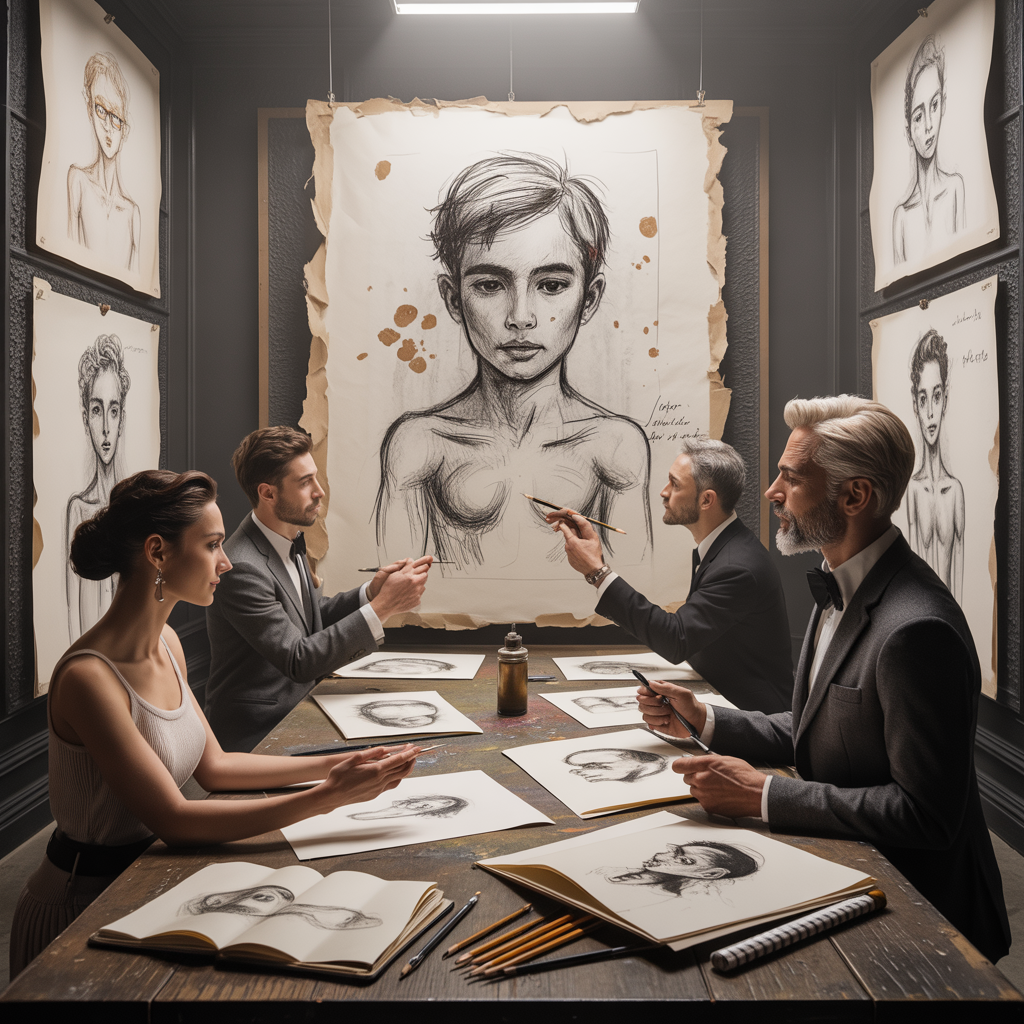
artitudesgallery – Art Collectors Quietly Hunting Raw Sketches has become one of the most fascinating shifts in the modern art world. While most casual buyers chase polished paintings and gallery-ready masterpieces, experienced collectors are moving in the opposite direction. They are searching for unfinished pencil drafts, rough ink concepts, charcoal experiments, and private sketchbook pages that were never originally intended for public display.
This growing obsession is changing how artists, galleries, and investors view creative value. Raw sketches now represent authenticity, emotional depth, and artistic vulnerability in ways that finished works often cannot. As a result, collectors from major cities like New York, Tokyo, London, Paris, and Seoul are quietly competing to acquire pieces once ignored by mainstream buyers.
The movement may look subtle on the surface, yet behind closed gallery doors, sketch collecting has become a serious business.
What Makes Raw Sketches So Valuable?
The Appeal of Imperfection
Finished artwork often feels controlled and polished. In contrast, raw sketches reveal the artist’s thought process in real time. You can see hesitation marks, erased lines, sudden ideas, and emotional shifts directly on the page.
Collectors love this because it creates a deeper human connection.
A rough sketch often captures:
- The first emotional spark
- Unfiltered creativity
- Experimental concepts
- Personal artistic habits
- Abandoned ideas never shown publicly
Instead of looking at perfection, collectors are witnessing creation itself.
Why Collectors Prefer Sketches Over Finished Paintings
Many modern collectors believe polished artwork sometimes loses emotional intensity during the refinement stage. Sketches preserve the original energy.
That raw feeling matters.
Some collectors compare sketches to demo recordings in music. Fans often love demos because they sound honest, intimate, and emotionally real. Art sketches create the same reaction.
Additionally, sketches usually exist in limited quantities. Many artists destroy practice drafts, making surviving originals extremely rare.
The Rise of Behind-the-Scenes Art Culture
Social Media Changed How People View Creativity
Platforms like Instagram, TikTok, and YouTube transformed audience behavior. People no longer want to see only final results. They want to watch the process.
This shift dramatically increased interest in:
- Studio footage
- Work-in-progress drawings
- Sketchbook tours
- Pencil drafts
- Prototype concepts
Collectors followed the same trend. They began valuing “behind-the-scenes creativity” more than polished presentation.
As a result, sketch collecting slowly evolved from niche hobby into luxury culture.
Younger Buyers Want Authenticity
Millennial and Gen Z collectors approach art differently from older generations. Instead of buying artwork purely for status, many younger buyers prioritize emotional meaning and originality.
They ask questions like:
- Who created this?
- Why was it made?
- What emotion existed during creation?
- How does it reflect the artist’s real personality?
Raw sketches answer those questions naturally.
That emotional transparency gives sketches cultural power far beyond their simple appearance.
Famous Artists Whose Sketches Became Priceless
Pablo Picasso Sketches Continue Breaking Records
Collectors have chased Pablo Picasso sketches for decades. Even his smallest notebook drawings can sell for astonishing prices because they reveal how he developed revolutionary artistic ideas.
Buyers are not purchasing only a drawing.
They are buying access to the artist’s mind.
Leonardo da Vinci Proved Sketches Could Outlive Paintings
Historical evidence also supports the value of unfinished work. Leonardo da Vinci’s anatomical studies and experimental sketches remain among the most admired artworks in history.
Ironically, many were never intended as final presentation pieces.
Yet today, they are considered priceless cultural treasures.
Contemporary Artists Are Benefiting Too
Modern creators now understand the growing demand for sketches. Some artists intentionally preserve drafts and studio notebooks instead of throwing them away.
Collectors actively seek:
- Fashion concept sketches
- Comic rough drafts
- Tattoo designs
- Architecture concepts
- Animation storyboards
- Character development pages
This trend continues expanding across creative industries.
Why Raw Sketches Feel More Personal
The Emotional Connection Is Stronger
Finished gallery art can sometimes feel distant or formal. Sketches feel personal because they expose vulnerability.
A collector may notice:
- Smudged graphite
- Coffee stains
- Fold marks
- Handwritten notes
- Rapid corrections
These imperfections create intimacy.
They remind buyers that a real person sat there, thinking, struggling, experimenting, and creating something meaningful.
H4: Collectors Love “Private Energy”
Many sketch collectors describe their purchases as emotionally alive. They believe unfinished work contains stronger creative energy because the artist has not fully controlled or polished it yet.
That unfinished tension creates emotional movement inside the piece.
Oddly enough, what looks incomplete often feels more alive.
The Investment Side of Sketch Collecting
Sketches Are Becoming Alternative Assets
Art investment has expanded beyond traditional paintings and sculptures. Wealthy buyers now treat rare sketches as alternative assets similar to vintage watches, rare vinyl records, and collectible photography.
Several factors increase sketch value:
| Factor | Why It Matters |
|---|---|
| Artist Reputation | Famous creators attract higher demand |
| Rarity | Many sketches are one-of-one originals |
| Historical Importance | Early concepts may connect to iconic works |
| Condition | Preserved paper increases value |
| Provenance | Verified ownership history matters |
Collectors understand that early-stage artwork may become culturally important later.
Smaller Entry Point for New Collectors
Another reason sketches are booming is affordability.
A finished painting by a respected artist may cost €50,000 or more. Meanwhile, a sketch from the same artist could sell for a fraction of that price.
This allows younger collectors to enter prestigious art markets without massive budgets.
As demand grows, some sketches later multiply dramatically in value.
Where Collectors Are Finding Raw Sketches
Independent Studios and Small Galleries
Many buyers avoid giant auction houses and instead search through smaller creative spaces where undiscovered talent still exists.
Popular hunting grounds include:
- Local art fairs
- Independent galleries
- Private studio sales
- University exhibitions
- Online artist portfolios
- Estate collections
Collectors often prefer quiet acquisitions rather than public bidding wars.
That secrecy helps explain why the trend remains somewhat hidden from mainstream audiences.
Online Communities Accelerated the Trend
Private collector forums and digital art communities now connect buyers globally. Someone in Berlin can discover an illustrator in Jakarta within minutes.
This worldwide accessibility changed everything.
Collectors are no longer limited by geography. They can chase rare sketches from emerging artists anywhere in the world.
Why Artists Are Releasing More Sketch Content
Fans Crave Creative Transparency
Artists noticed that audiences respond strongly to unfinished material. Instead of hiding rough drafts, many creators now showcase them proudly.
Sketch content generates:
- Strong engagement
- Loyal fan communities
- Emotional storytelling