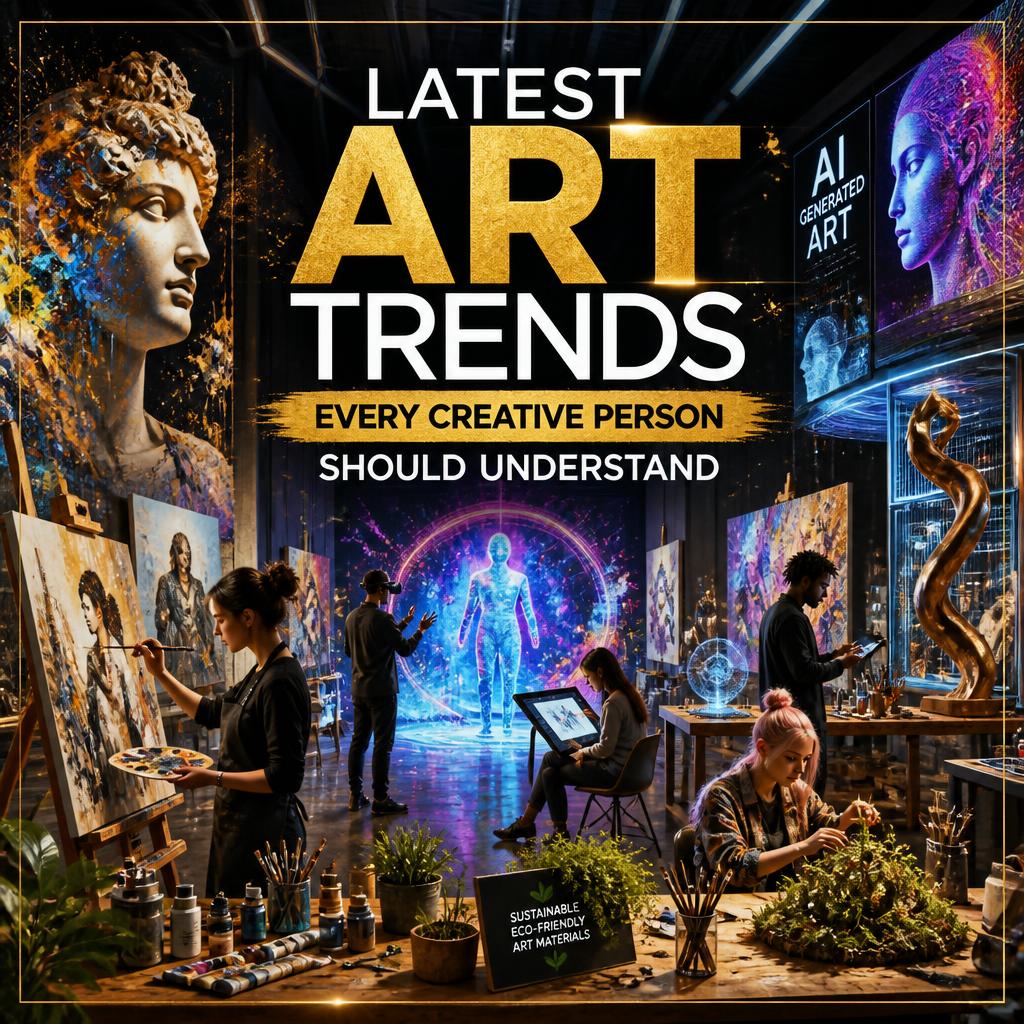
Latest Art Trends Every Creative Person Should Understand is a complete guide for artists, designers, and creative thinkers who want to stay connected with the changing world of visual expression. Art is never static because it constantly follows human emotions, technology, culture, and social movements. From traditional painting techniques to digital experiences powered by artificial intelligence, modern creativity continues to expand into new directions that influence how people see and interact with art. – artitudesgallery.com
Understanding Why Art Trends Continue to Change
Art trends evolve because society itself keeps changing. Every generation creates new visual languages based on its experiences, challenges, and discoveries. Artists today are not limited to canvas, sculpture, or physical galleries. They explore digital platforms, immersive environments, interactive media, and experimental materials.
The reason behind these changes is simple: artists want to communicate ideas in ways that feel relevant. A creative person who understands current movements can discover fresh inspiration, improve artistic skills, and create work that connects better with audiences.
The Rise of Digital Art and Creative Technology
Digital art has become one of the biggest transformations in the creative industry. Many artists now combine traditional methods with advanced software to produce unique visual experiences. Tools such as graphic tablets, 3D modeling programs, and animation platforms allow creators to experiment beyond physical limitations.
One important development is the use of artificial intelligence (AI) in creative processes. AI tools can assist artists with brainstorming, concept development, color exploration, and visual experimentation. However, human imagination remains the core element because technology works best as a creative partner rather than a replacement.
How Artificial Intelligence Influences Modern Creativity
AI-generated artwork has created discussions among artists, designers, and creative communities worldwide. Some people see it as a revolutionary opportunity, while others focus on questions about originality and artistic identity.
Creative professionals are now learning how to combine personal expression with technological assistance. The most successful approach is usually a balance between human storytelling and digital innovation.
Artists who understand AI technology can discover new workflows, save time during early production stages, and explore concepts that were previously difficult to visualize.
Exploring Sustainable and Eco-Friendly Art Movements
Environmental awareness has influenced many areas of modern creativity, including the art world. Sustainable art focuses on using responsible materials, reducing waste, and highlighting environmental issues through visual storytelling.
Many contemporary creators use recycled objects, natural materials, and eco-conscious production methods. This approach creates artwork that is not only visually appealing but also carries meaningful messages about the relationship between humans and nature.
Why Sustainability Matters for Future Artists
Sustainability is becoming more important because audiences increasingly appreciate creativity that has a positive impact. Artists who consider environmental responsibility can build stronger connections with communities that value ethical practices.
This movement also encourages innovation because creators must think differently about materials, processes, and presentation methods.
The Growing Popularity of Immersive and Interactive Experiences
Modern audiences no longer want to only observe art; they want to experience it. This shift has increased the popularity of immersive installations, virtual reality exhibitions, and interactive artworks.
Technologies such as virtual reality (VR) and augmented reality (AR) allow viewers to become part of the artwork itself. Instead of standing outside a painting or sculpture, visitors can enter digital spaces and influence their experience.
Creative professionals are exploring these formats because they create emotional connections that traditional displays sometimes cannot achieve.
Minimalism Meets Personal Expression in Contemporary Design
Minimalism remains influential, but modern artists are adding more personality and emotional depth to simple designs. The current approach is not only about removing unnecessary elements but also about creating meaningful visual balance.
Clean compositions, thoughtful color choices, and intentional details help artwork communicate stronger messages. Many designers now combine minimalist structures with personal stories, cultural influences, and unique artistic identities.
Discovering New Directions Through Global Art Communities
The internet has transformed how artists share ideas and discover inspiration. Creative communities now connect people from different countries, backgrounds, and artistic traditions.
Platforms for portfolios, online exhibitions, and digital collaborations allow emerging artists to gain recognition without depending only on traditional galleries.
The influence of global communities can be seen in the popularity of cultural fusion, where artists combine different techniques, symbols, and creative philosophies.
For anyone researching latest art trends, understanding these global connections is important because modern creativity is shaped by conversations between artists across the world, not only by local movements.
The Influence of Nostalgia and Retro Visual Styles
Although technology dominates many creative discussions, nostalgia has become another powerful trend. Many artists are bringing back visual elements from previous decades and combining them with modern techniques.
Retro-inspired designs often include vintage colors, classic typography, old photography styles, and references to historical pop culture. This approach works because familiar visuals can create emotional memories while still feeling fresh.
How Retro Trends Inspire New Generations
Young creators often reinterpret older styles instead of simply copying them. They add modern concepts, digital tools, and personal perspectives to create something new.
This process shows that artistic innovation does not always require completely new ideas. Sometimes, creativity comes from transforming existing influences into original expressions.
The Role of Personal Identity in Modern Artwork
Today’s audiences appreciate authenticity more than perfection. Artists are increasingly creating work that reflects personal experiences, beliefs, emotions, and cultural backgrounds.
Personal storytelling helps artwork become more relatable because viewers can connect with genuine human experiences. This trend encourages creators to focus on their unique voices rather than following every popular style.
What Creative People Should Prepare for Future Art Movements
The future of art will likely continue combining technology, human emotion, and cultural awareness. Creative professionals should stay curious, experiment with different mediums, and continue learning new techniques.
Being adaptable is one of the most valuable skills for artists today. The creative industry rewards people who can explore new ideas while maintaining their personal artistic identity.
Final Thoughts on Latest Art Trends Every Creative Person Should Understand
Latest Art Trends Every Creative Person Should Understand shows how creativity continues to grow through innovation, technology, sustainability, and personal expression. Artists who follow these developments can discover new opportunities, improve their creative approach, and produce work that feels meaningful in a changing world. By embracing new possibilities while keeping authentic storytelling at the center, every creative person can become part of the future evolution of art.