Art Collections Today: Build a High-Value Art Portfolio with Strategy and Personal Meaning has shifted from an exclusive hobby into a smart, modern move. People no longer collect art just to decorate walls—they actively use it to express identity, diversify assets, and tell stories. As a result, the art world has opened its doors wider than ever before.
What Are Art Collections and Why Do They Matter Now?
Art collections bring together selected artworks based on taste, intention, and value. In the past, only elite collectors dominated this space. Now, however, anyone can step in and build their own collection. – artitudesgallery
First, digital platforms give you instant access to global artists. Then, NFT marketplaces reshape how ownership works. At the same time, awareness of art as a long-term investment keeps growing. Because of these shifts, art collecting feels more relevant and approachable.
Who Should Start an Art Collection?
You don’t need to wait for the “perfect moment.” Instead, you can start right where you are.
For example:
- Young professionals often begin collecting to diversify assets
- Art lovers move deeper into the field by buying original works
- Investors explore art as an alternative asset
- Creators study the market to sharpen their perspective
In other words, if you feel curious, you already qualify.
Where Can You Find Your First Artwork?
Next, you need to know where to look. Fortunately, the options are wide open.
Local Galleries
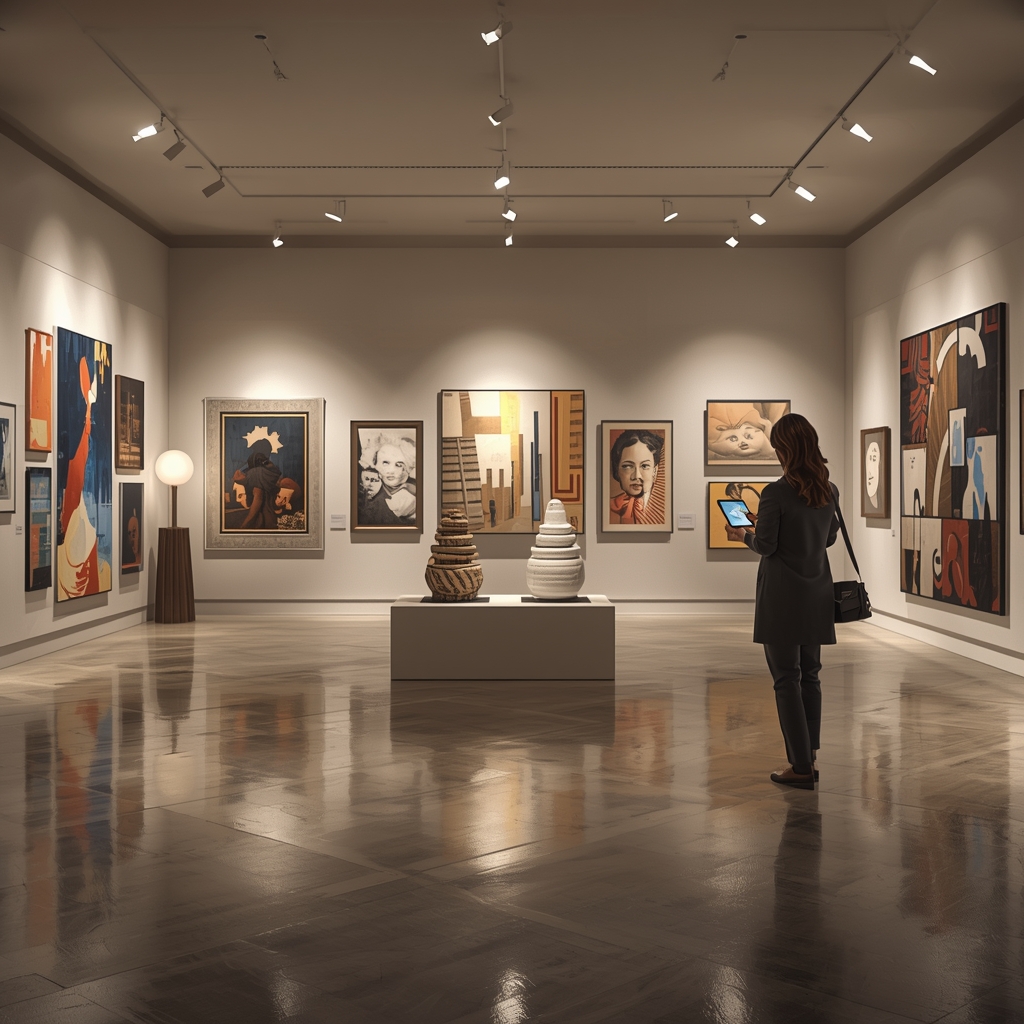
Visit galleries to see artworks directly. This helps you understand texture, scale, and emotional impact.
Online Platforms
Browse digital marketplaces to discover thousands of artists. You can compare styles quickly and efficiently.
Art Fairs and Exhibitions
Attend events to explore exclusive pieces. More importantly, you can meet artists and learn their stories.
Social Media
Follow artists on platforms like Instagram. Many of them sell directly, which makes the process faster and more personal.
When Should You Start Collecting?
You don’t need to overthink timing. Instead, focus on momentum.
However, you can maximize opportunities when:
- A new art trend starts gaining attention
- Emerging artists begin to rise
- You set aside a dedicated budget
Therefore, starting early gives you an advantage—especially in spotting undervalued work.
Why Art Collections Offer Real Value
Art doesn’t just look good—it works strategically.
First, artwork can appreciate over time. Then, rare pieces attract serious demand. In addition, art often moves independently from traditional markets.
Even so, you must stay selective. Not every piece will grow in value. That’s why research always comes first.
How to Start Your Art Collection Step by Step
Now, let’s break it down into clear actions:
Define Your Taste
Choose what resonates with you. Whether it’s abstract, realism, or contemporary art, your taste becomes your compass.
Set a Budget
Decide how much you want to invest. You don’t need a large budget to begin.
Study the Artist
Learn about the artist’s background, style, and growth potential. This step helps you make smarter decisions.
Start Small
Buy smaller pieces first. Then, as your confidence grows, expand your collection.
Build Connections
Engage with curators, galleries, and fellow collectors. Strong networks often lead to better opportunities.
Use Smart Curation to Strengthen Your Collection
Instead of collecting randomly, curate intentionally.
For instance:
- Focus on a clear theme
- Select works that connect with each other
- Avoid buying just because something is trending
As a result, your collection will feel cohesive and meaningful—not scattered.
Traditional vs Digital Art: Which One Should You Choose?
At this point, you might wonder which direction to take.
Traditional Art
Includes paintings, sculptures, and installations. These pieces offer physical presence and historical depth.
Digital Art (NFTs)
Uses blockchain technology. You can trade these assets globally with ease.
Therefore, many collectors combine both to balance stability and innovation.
Avoid These Common Mistakes
Even experienced collectors make errors. However, you can stay ahead by avoiding them early.
- Don’t buy without research
- Don’t chase trends blindly
- Don’t ignore authenticity
- Don’t neglect proper storage
Because once mistakes happen, fixing them can be costly.
How to Protect and Maintain Your Artworks
After you acquire artwork, you must protect it.
Start with these steps:
- Keep pieces away from direct sunlight
- Use high-quality frames
- Maintain stable temperature and humidity
- Clean artworks carefully
When you take care of your collection, you preserve both its beauty and its value.
Turn Your Art Collection into Personal Identity
Interestingly, your collection reflects who you are.
For example:
- Your choices reveal your mindset
- Your style shows your aesthetic direction
- Your themes express your values
Because of this, art collecting becomes deeply personal—not just financial.
What’s Next for Art Collections?
Looking ahead, technology will keep transforming the space.
Virtual galleries allow you to display art digitally. Augmented reality lets you visualize pieces in your own room. Meanwhile, global marketplaces remove geographic limits.
As these tools evolve, art collecting will become even more accessible and dynamic.
Build More Than a Collection—Build a Story
Art Collections Today: Build a High-Value Art Portfolio with Strategy and Personal Meaning is not just about acquiring art. Instead, it’s about shaping a narrative that reflects your journey, taste, and vision. Every piece you choose adds a new layer to that story.
So start now, take action consistently, and enjoy the process—because in art collecting, every step carries meaning.