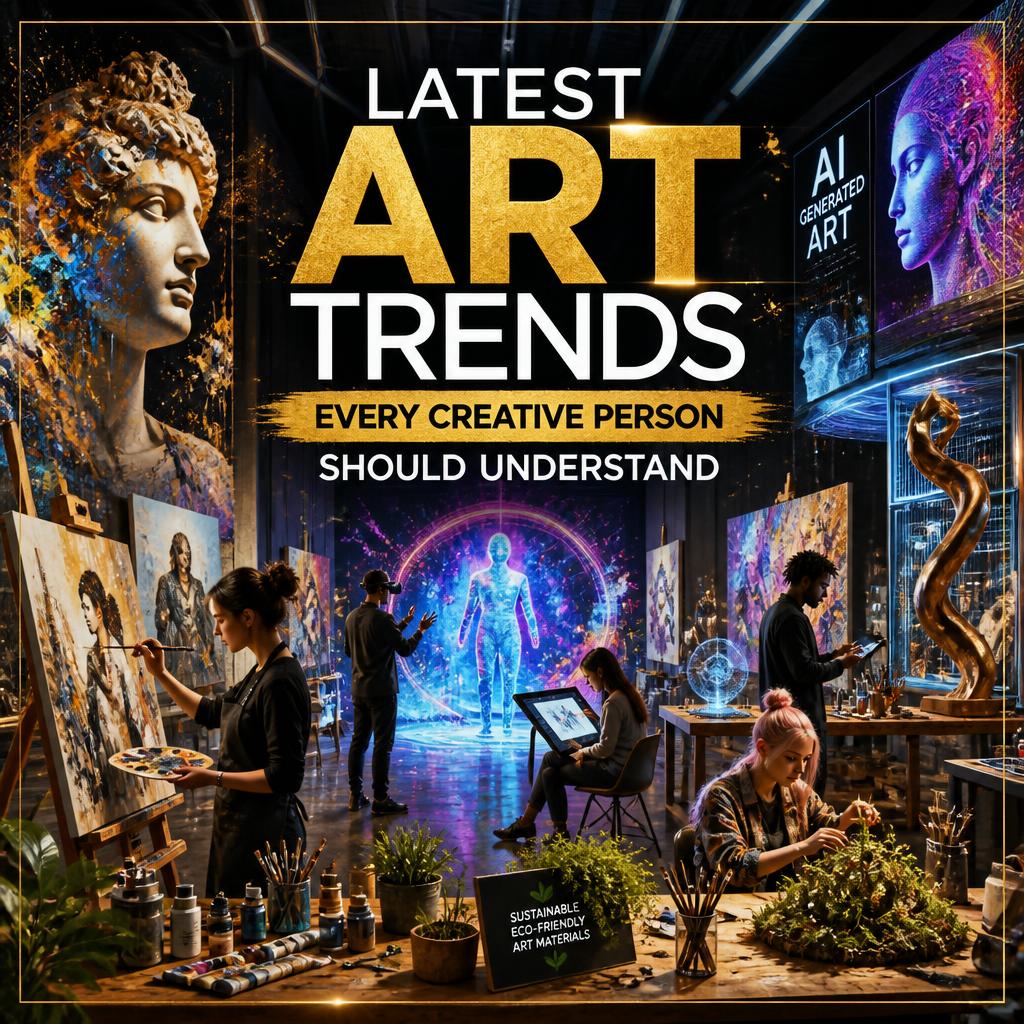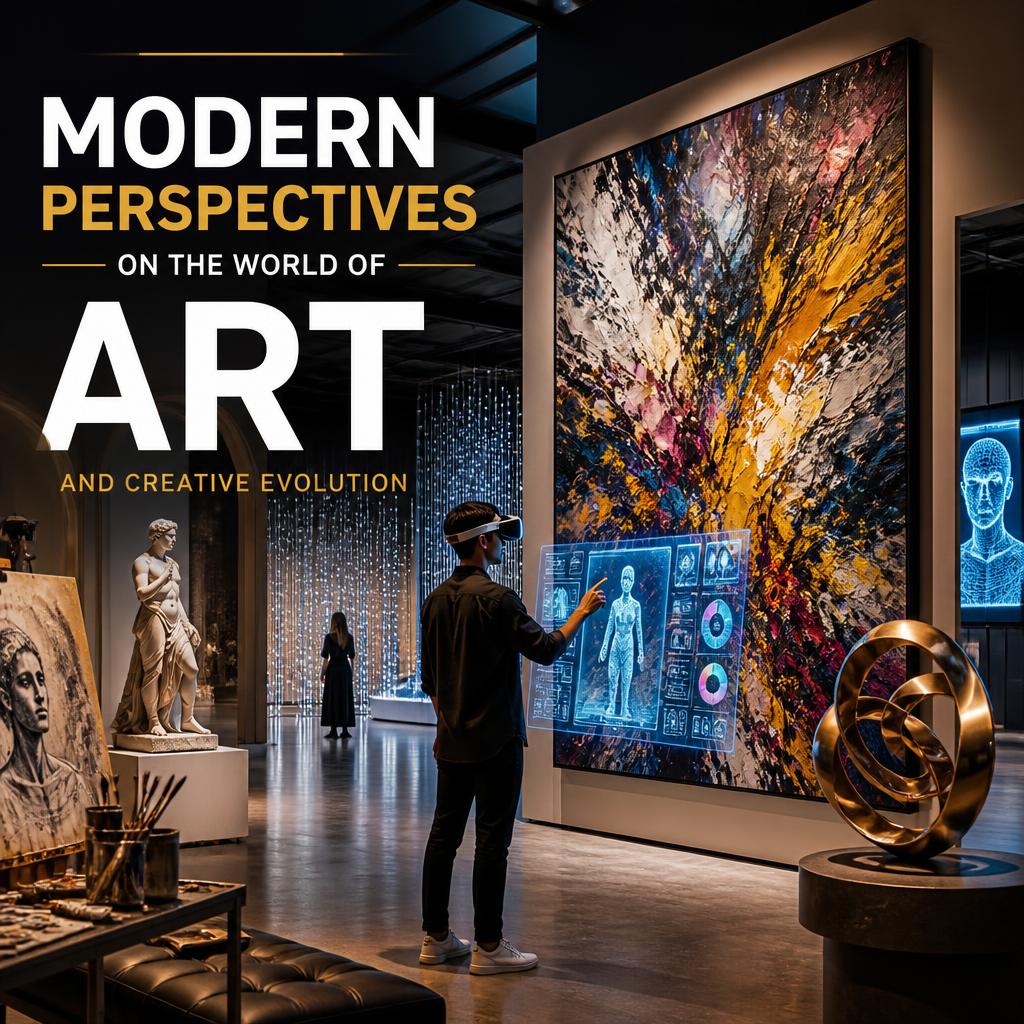
Modern Perspectives on the World of Art reveal how creativity continues to transform through culture, technology, and changing human experiences. Art is no longer limited to traditional paintings, sculptures, or gallery exhibitions. Today, artists explore new materials, digital platforms, social issues, and interactive experiences to connect with audiences in meaningful ways.
The modern art world reflects a broader understanding of creativity. It combines historical knowledge with innovative approaches, allowing artists to communicate ideas beyond traditional boundaries. – artitudesgallery.com
The Changing Definition of Art in the Modern Era
For centuries, art was often associated with skilled craftsmanship and established techniques. However, modern perspectives have expanded the meaning of artistic creation.
Today, art can include digital illustrations, virtual installations, artificial intelligence-assisted designs, performance pieces, and multimedia experiences. This shift allows creators to experiment with new forms of expression.
Furthermore, audiences now participate more actively in artistic experiences. Interactive exhibitions and immersive installations encourage viewers to become part of the artwork rather than simply observe it.
Technology’s Influence on Contemporary Art
Technology has become one of the most important forces shaping modern artistic development. Digital tools provide artists with opportunities that were previously impossible.
For example, digital painting software enables creators to experiment with unlimited colors, textures, and visual effects. Meanwhile, virtual reality allows artists to build environments where audiences can explore imaginary spaces.
Moreover, social media platforms have changed how artists share their work. Independent creators can now reach global audiences without relying only on traditional galleries or institutions.
The Rise of Digital and Interactive Art
Digital art represents one of the most significant developments in the modern art landscape. Artists use computers, animation, coding, and emerging technologies to produce unique experiences.
Interactive art has also gained popularity because it creates a personal connection between artwork and viewers. Instead of presenting a finished object, artists design experiences that respond to movement, sound, or audience participation.
This approach changes the relationship between creator and viewer. The audience becomes part of the creative process.
Cultural Diversity and Global Artistic Expression
Modern art has become increasingly influenced by global perspectives. Artists from different backgrounds contribute unique stories, traditions, and viewpoints.
In the past, many art movements were centered around specific regions. Today, international communication allows ideas to spread quickly across cultures.
As a result, contemporary art often combines traditional techniques with modern concepts. An artist may incorporate ancient cultural symbols while using digital methods to present their message.
This combination creates artwork that respects history while embracing innovation.
Social Issues as Sources of Artistic Inspiration
Many modern artists use their work to explore important social topics. Art has become a powerful tool for discussing identity, environmental concerns, technology, and human relationships.
For example, public art projects often transform ordinary spaces into areas for reflection and conversation. These installations can encourage communities to think about shared challenges.
However, modern artists must balance creativity with responsibility. Strong messages require thoughtful execution to avoid oversimplifying complex issues.
Challenges Facing the Modern Art World
Although modern art offers many opportunities, artists also face several challenges.
One major challenge involves maintaining originality in a highly connected digital environment. Because millions of artworks are shared online, creators must develop unique voices to stand out.
Another challenge is accessibility. While technology allows more people to create art, professional opportunities remain competitive.
Furthermore, the increasing use of artificial intelligence in creative industries raises questions about authorship, originality, and the future role of human creativity.
Strategies for Artists to Adapt and Grow
Artists who want to succeed in today’s environment should focus on continuous learning and experimentation.
Some effective strategies include:
- Developing a recognizable artistic style
- Learning new digital tools and techniques
- Building connections with creative communities
- Understanding audience interests
- Combining traditional skills with modern approaches
In addition, artists should document their creative journey. Sharing behind-the-scenes processes helps audiences understand the effort and ideas behind each piece.
The Future Direction of Art and Creativity
The future of art will likely continue to combine human imagination with technological advancement. Emerging tools may create new possibilities, but human emotion and storytelling will remain central elements.
Artists will continue exploring new ways to communicate experiences, challenge perspectives, and connect people.
Ultimately, the evolution of art depends on curiosity. Those who embrace change while respecting artistic foundations will help shape the next generation of creative expression.