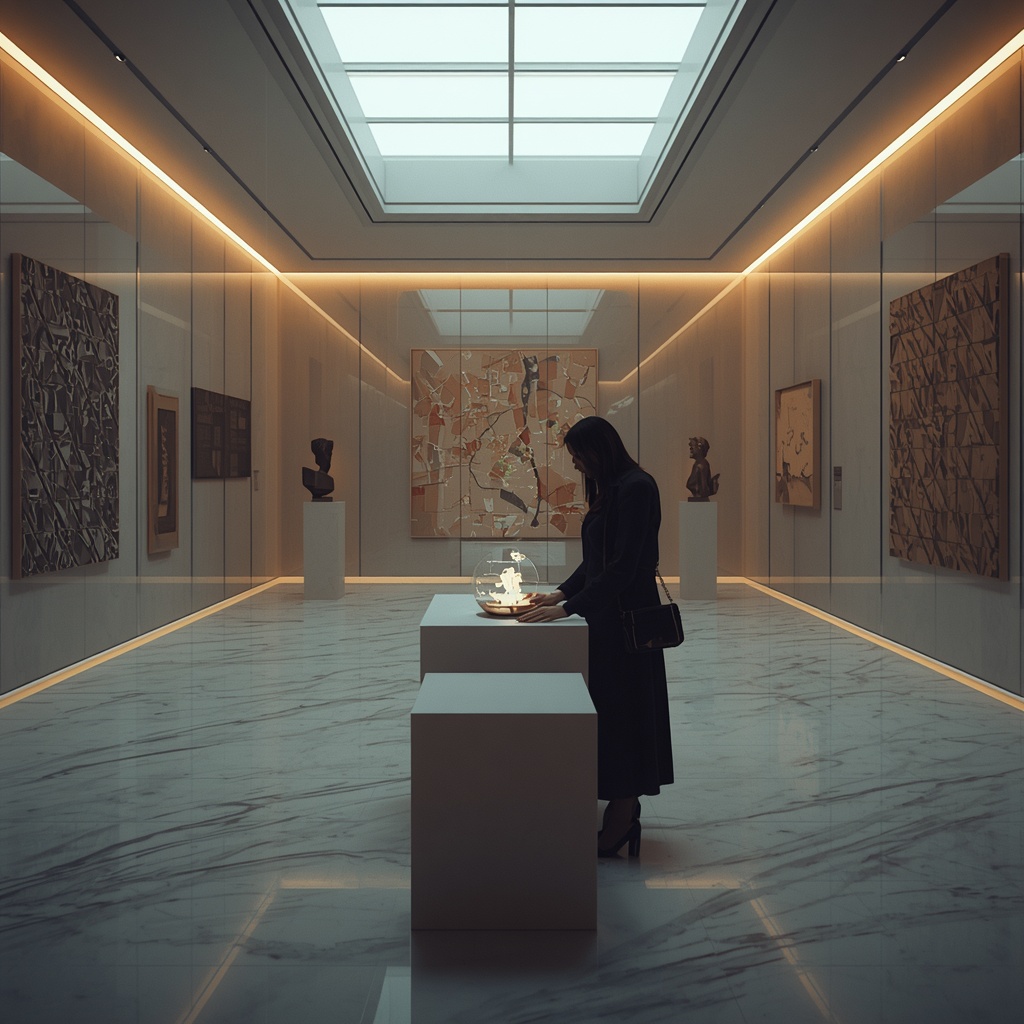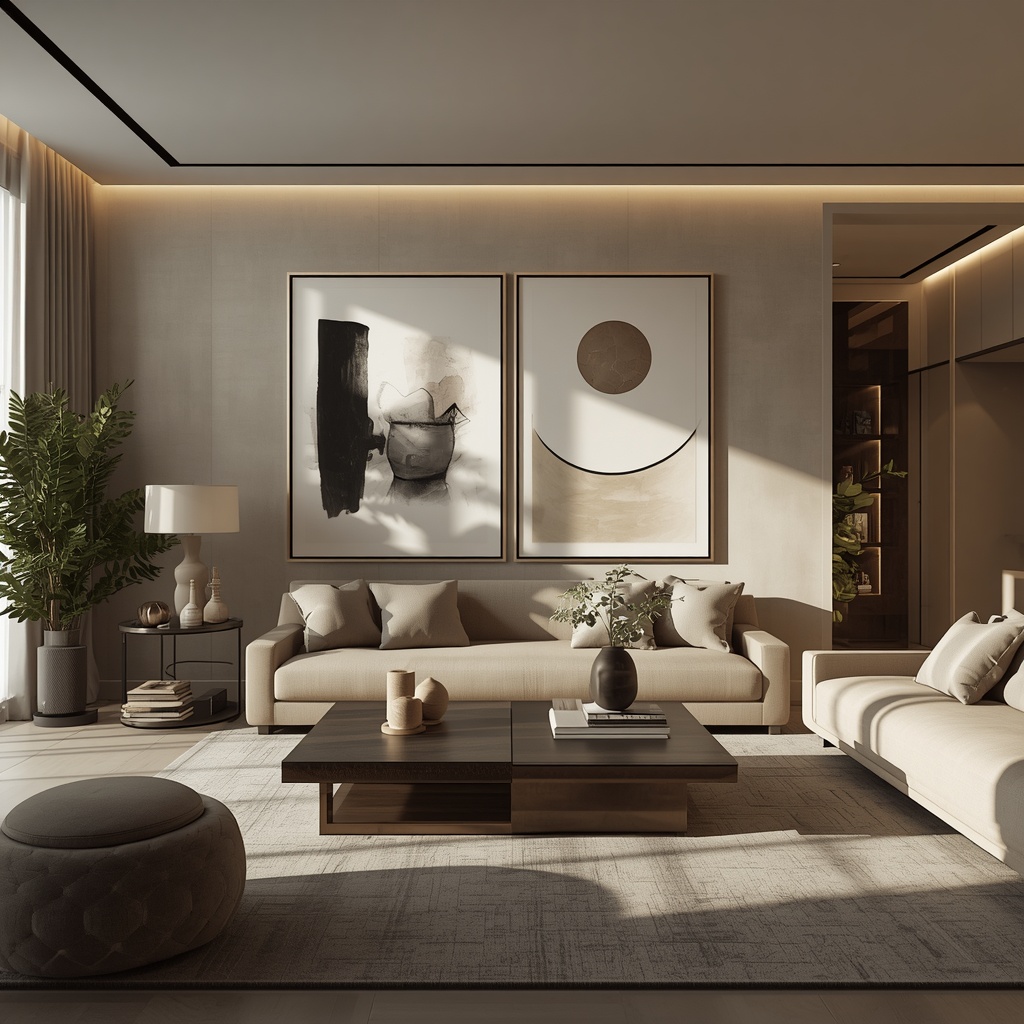
Modern art collections that instantly elevate your home style: a contemporary design guide for timeless interiors explores how curated artworks transform ordinary rooms into visually compelling, emotionally rich living spaces. – artitudesgallery
Subtle Luxury Through Contemporary Art in Home Design
Modern interiors rely on more than furniture placement. They depend on atmosphere. That’s where modern art enters as a defining layer of personality, mood, and sophistication.
Why Modern Art Collections Elevate Home Style
Modern art does more than decorate walls. It communicates identity, taste, and intention. A well-chosen piece can shift a room from simple to curated in seconds.
Emotional Impact and Visual Identity
Art creates emotional depth. Abstract forms by artists like Wassily Kandinsky or bold pop expressions from Banksy introduce energy that furniture alone cannot achieve.
Architectural Harmony
In homes with minimalist architecture, modern art softens rigid lines and adds human warmth. In contrast, maximalist spaces benefit from structured compositions that bring balance.
Choosing the Right Modern Art Pieces for Your Space
Selecting art is not random. It follows intention, scale, and emotional resonance.
Match Art with Room Function
Living rooms benefit from expressive, conversation-starting pieces, while bedrooms require calming tones and softer compositions.
Scale and Proportion Matter
Large walls demand oversized artwork or curated sets. Small walls require focused, single statement pieces to avoid visual clutter.
Color Psychology in Modern Art Collections
Color directly influences mood. Warm tones energize, while cool tones calm and stabilize.
Harmonizing with Interior Palettes
If your space uses neutral tones, bold modern art introduces contrast. If your interiors are already vibrant, muted abstract works maintain balance.
Strategic Accent Colors
Accent colors drawn from artwork can be repeated in cushions, rugs, or lighting to create visual continuity.
Minimalism vs Maximalism in Modern Art Styling
Modern art adapts to both design philosophies.
Minimalist Approach
A single large piece from institutions like Tate Modern can become a focal anchor in minimalist interiors, reducing visual noise while maintaining elegance.
Maximalist Expression
Layered art collections, mixed media, and bold compositions create immersive storytelling environments.
Curating a Gallery Wall Like a Designer
A gallery wall transforms empty space into a narrative.
Layout Planning and Spacing
Start with a central anchor piece, then build outward with smaller works. Keep spacing consistent to avoid visual imbalance.
Mixing Styles and Frames
Combine photography, abstract prints, and sketches for depth. Uniform framing creates cohesion, while mixed frames add character.
Where to Discover Modern Art Collections
Modern art can be sourced from galleries, museums, and digital platforms.
Museums and Cultural Institutions
Museums like Museum of Modern Art and Guggenheim Museum showcase evolving trends in contemporary aesthetics.
Online Art Platforms
Platforms such as Saatchi Art and curated digital galleries offer accessible entry points for collectors at all levels.
Influential Artists Shaping Modern Interiors
Certain artists define the visual language of modern interiors.
Abstract Expression and Geometry
Pablo Picasso revolutionized form and perspective, influencing spatial interpretation in design.
Contemporary Pop and Visual Culture
Yayoi Kusama brings immersive repetition and bold visual rhythm into modern spaces.
Common Mistakes When Styling Modern Art at Home
Even strong art can lose impact if displayed incorrectly.
Overcrowding Walls
Too many pieces dilute focus. Negative space is essential for visual breathing.
Ignoring Lighting
Poor lighting flattens textures and reduces depth. Proper accent lighting enhances color vibrancy and shadow detail.
Mismatched Scale
Small artwork on large walls feels lost, while oversized pieces in tight spaces feel overwhelming.
How Modern Art Reflects Personal Identity
Modern art is not just decoration—it is storytelling. Each collection reflects travel experiences, emotional preferences, and intellectual curiosity.
FAQ: Modern Art in Home Interiors
What defines modern art collections in interior design?
Modern art collections consist of abstract, contemporary, and experimental works that emphasize emotion, form, and conceptual expression.
How many pieces should a home art collection include?
There is no fixed rule, but balance is key. One statement piece per focal area is often ideal.
Can modern art work in small apartments?
Yes. Minimalist or small-scale abstract pieces enhance compact spaces without overwhelming them.
Where should I place modern art in my home?
Focus on high-visibility areas like living rooms, entryways, and dining spaces for maximum impact.
Transforming Spaces with Modern Art Collections That Instantly Elevate Your Home Style
Modern art collections that instantly elevate your home style redefine how interiors are experienced, turning ordinary spaces into curated environments filled with meaning, balance, and visual storytelling.