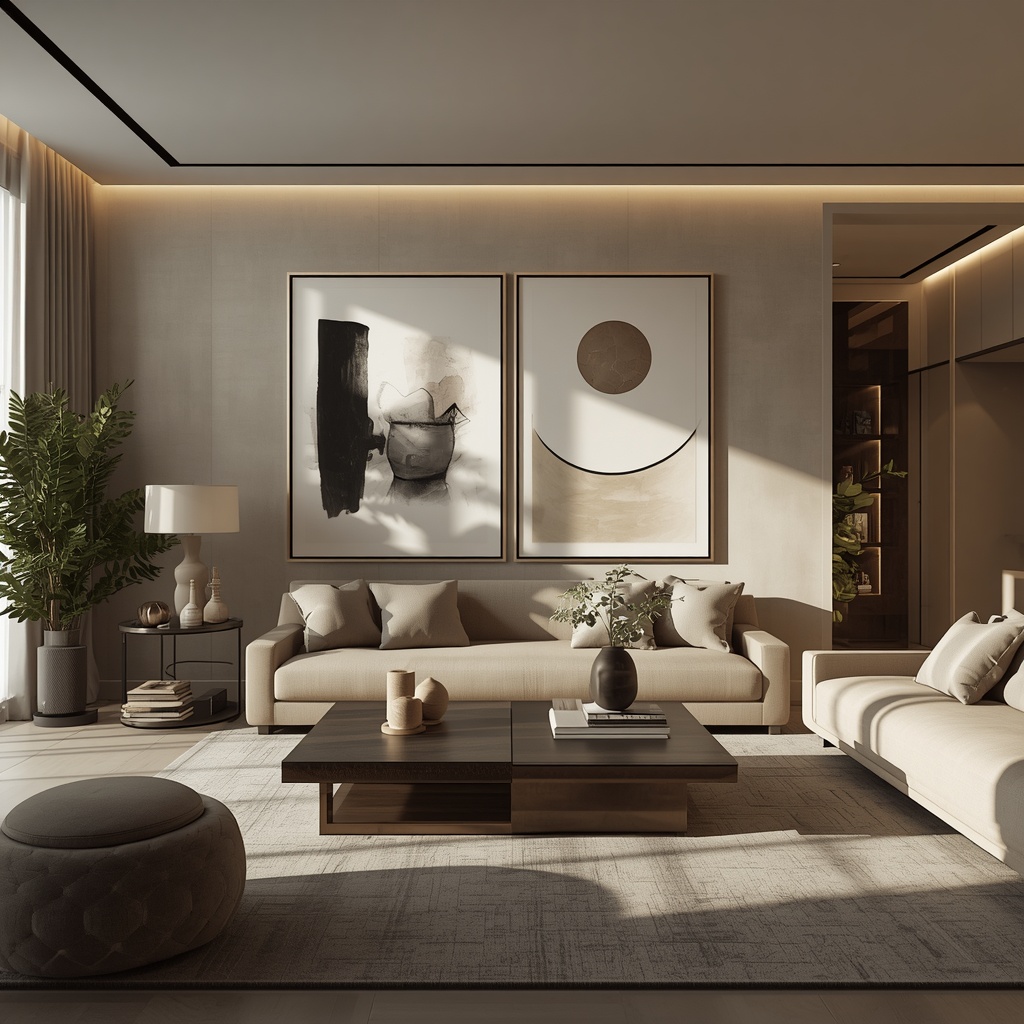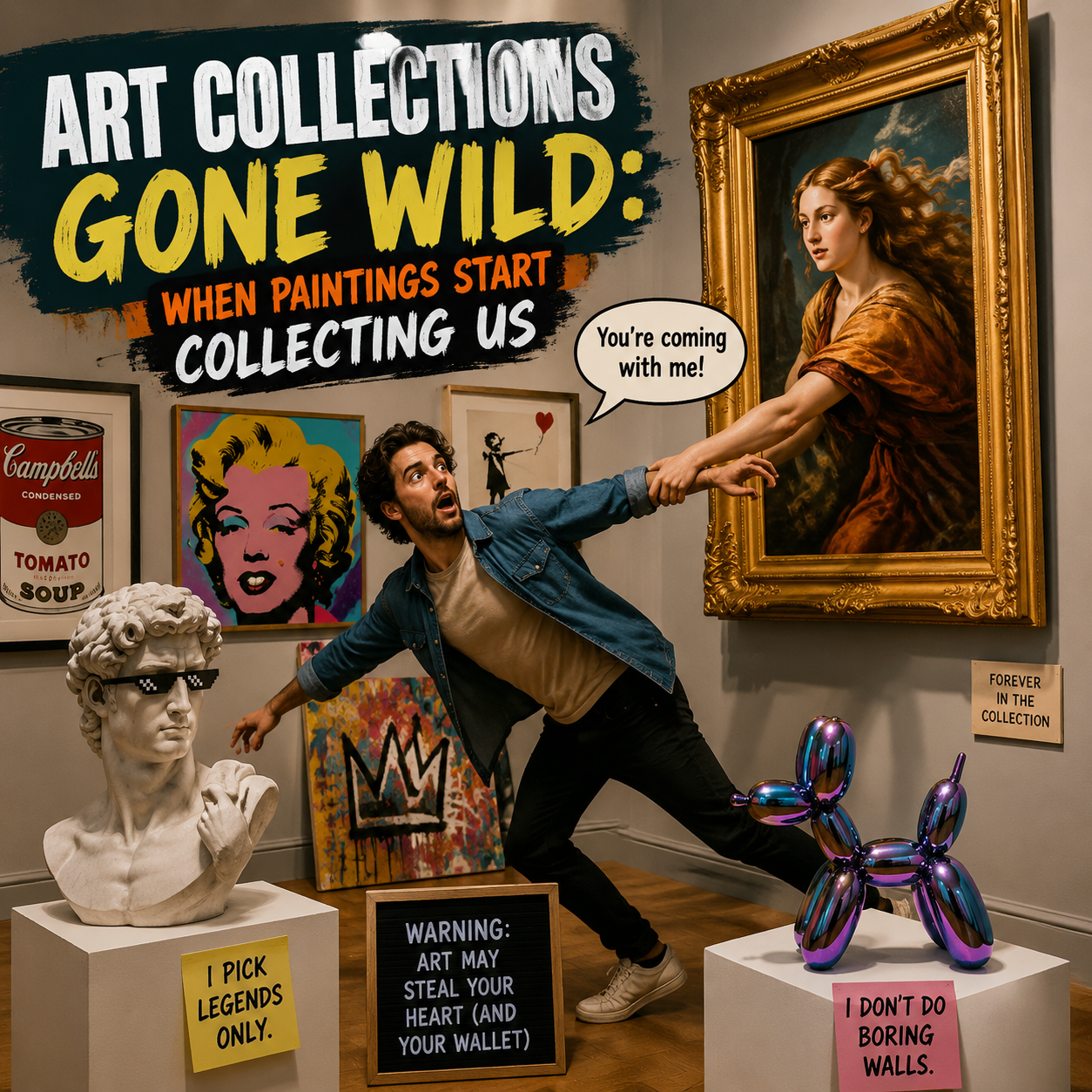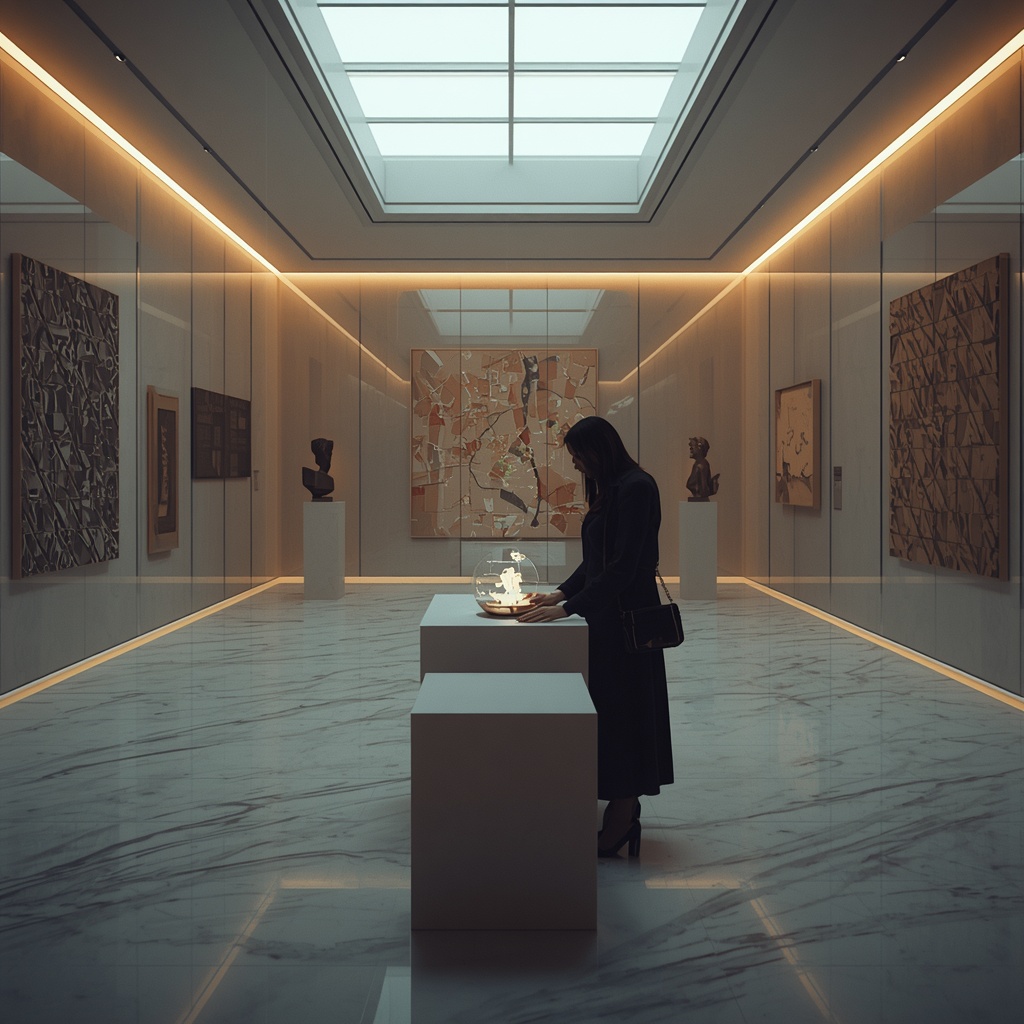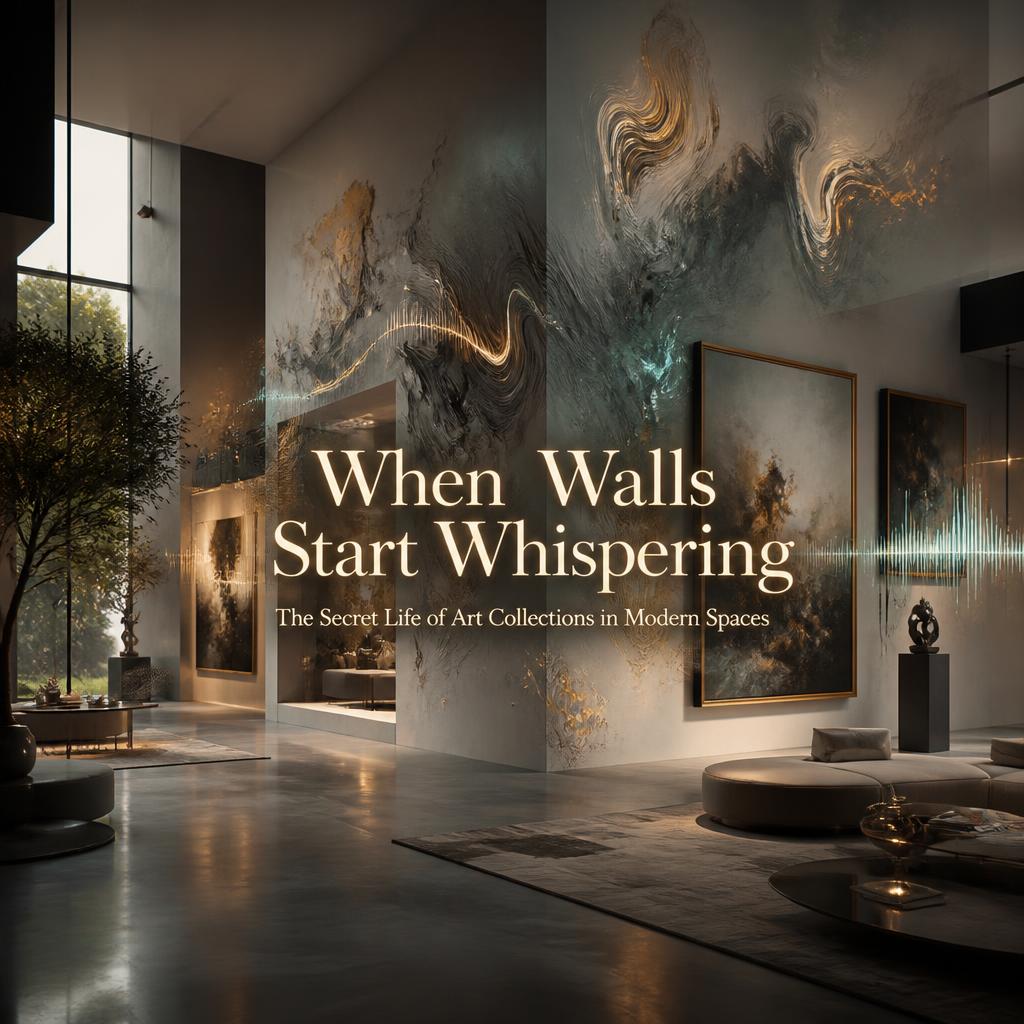
Art has always been more than decoration. It’s memory, identity, and sometimes even silent communication between generations. In modern spaces, from minimalist apartments to grand museums, walls are no longer passive backgrounds—they become storytellers. Each frame, sculpture, and installation carries intent, emotion, and cultural weight that quietly shapes how people experience a room. – artitudesgallery
This is where the idea of curated art spaces becomes fascinating. Not just what is displayed, but why it is there, and how each piece interacts with another to form meaning that goes beyond aesthetics.
The Hidden Language of Collecting Art
Art collecting is often misunderstood as a luxury hobby. In reality, it functions like a visual language shaped by taste, culture, and psychology.
What motivates collectors
Collectors are rarely driven by a single reason. Some pursue emotional resonance, while others chase historical significance or investment value. A painting might remind someone of childhood landscapes, while a sculpture might represent intellectual curiosity or rebellion against convention.
Emotional vs investment-driven collecting
There are two dominant forces:
- Emotional collecting: guided by memory, identity, and sentiment
- Investment collecting: guided by market trends, rarity, and future value
Most real collectors sit somewhere in between, balancing feeling with financial logic.
Where Art Collections Take Shape (Homes, Museums, Digital Worlds)
Art no longer belongs only to elite institutions. It lives everywhere.
Museums as cultural archives
Museums preserve civilizations through visual storytelling. From Renaissance masterpieces to contemporary installations, they act as curated timelines of human evolution.
Private homes as personal galleries
In homes, art becomes intimate. A hallway may hold abstract expressions, while a living room might display a bold centerpiece that reflects personality more than status.
Digital spaces and virtual galleries
With the rise of blockchain-based art and virtual exhibitions, collecting has entered a new frontier. Digital ownership challenges traditional ideas of authenticity and presence.
When Collecting Becomes Identity
Over time, collecting stops being about objects and starts reflecting the collector’s identity. What someone chooses to display often mirrors their internal worldview.
Historical evolution of collecting culture
From ancient royal treasuries to modern online auctions, collecting has always mirrored societal structure. In earlier centuries, art symbolized power. Today, it often reflects individuality and intellectual taste.
Why People Build Collections
The reasons go deeper than decoration or wealth.
Psychology behind collecting behavior
Humans naturally seek patterns and meaning. Collecting creates order in chaos, turning scattered objects into structured narratives.
Status, memory, and storytelling
Collections can signal sophistication, preserve memories, or tell personal stories without words. Each piece becomes a chapter in an unspoken autobiography.
How Art Collecting Works in Real Life
Behind every collection lies a process that is both strategic and intuitive.
Sourcing and discovery
Collectors find pieces through galleries, auctions, private dealers, or even emerging online platforms. The hunt itself often becomes part of the appeal.
Authentication and provenance
Verifying origin is crucial. Provenance ensures the artwork’s history is legitimate, protecting both emotional and financial value.
Curation and placement
Choosing where and how to display art is an art form in itself. Lighting, spacing, and thematic flow all affect perception.
The Silent Evolution of Modern Collections
In many modern galleries, Art Collections are no longer just decorative assets—they function as curated ecosystems of meaning, where each piece interacts with others to form emotional and intellectual continuity across the space.
Collectors today often think like editors rather than owners. Instead of simply acquiring, they curate narratives that evolve over time, influenced by personal growth, global trends, and cultural shifts. A single room can shift mood entirely depending on arrangement, scale, and thematic balance.
The Science and Aesthetics Behind Curation
Art selection is not purely intuitive—it also has a scientific backbone.
Color theory and spatial psychology
Colors influence mood and perception. Warm tones often create intimacy, while cooler palettes evoke calm and reflection.
Neuroaesthetics and human response
Research in neuroaesthetics shows that the brain responds to symmetry, contrast, and complexity in predictable ways, explaining why certain artworks feel universally compelling.
Global Trends in Contemporary Collecting
Art collecting is no longer confined to traditional Western centers.
Asia’s growing influence
Cities like Seoul, Tokyo, and Singapore are emerging as major hubs for contemporary art, blending technology with tradition.
Europe’s historical continuity
Europe remains deeply tied to classical and modern movements, maintaining strong auction houses and heritage collections.
The rise of borderless digital art
Online platforms now allow global participation, removing geographical limitations entirely.
Mistakes Beginners Make in Art Collecting
Starting a collection can be exciting—but also risky.
Overbuying without direction
Many beginners accumulate pieces without a clear theme, resulting in visual clutter instead of cohesion.
Ignoring provenance and context
Skipping background checks can lead to authenticity issues or devalued pieces over time.
Curated Inspiration for Modern Collectors
✔️ Discover Rare Art Collections That Transform Spaces and Value
✔️ Modern Art Collections That Instantly Elevate Your Home Style
Art collecting is no longer a static activity reserved for elite circles. It has become a dynamic process shaped by emotion, science, culture, and technology. Whether displayed in a quiet apartment or a global museum, every piece contributes to a larger narrative that evolves over time, reflecting both the collector and the world around them.
Understanding When Walls Start Whispering: The Secret Life of Art Collections in Modern Spaces reveals that art is never truly silent—it simply speaks in a language that rewards attention, patience, and curiosity.