H1 – A Colorful Start to the Digital Canvas World
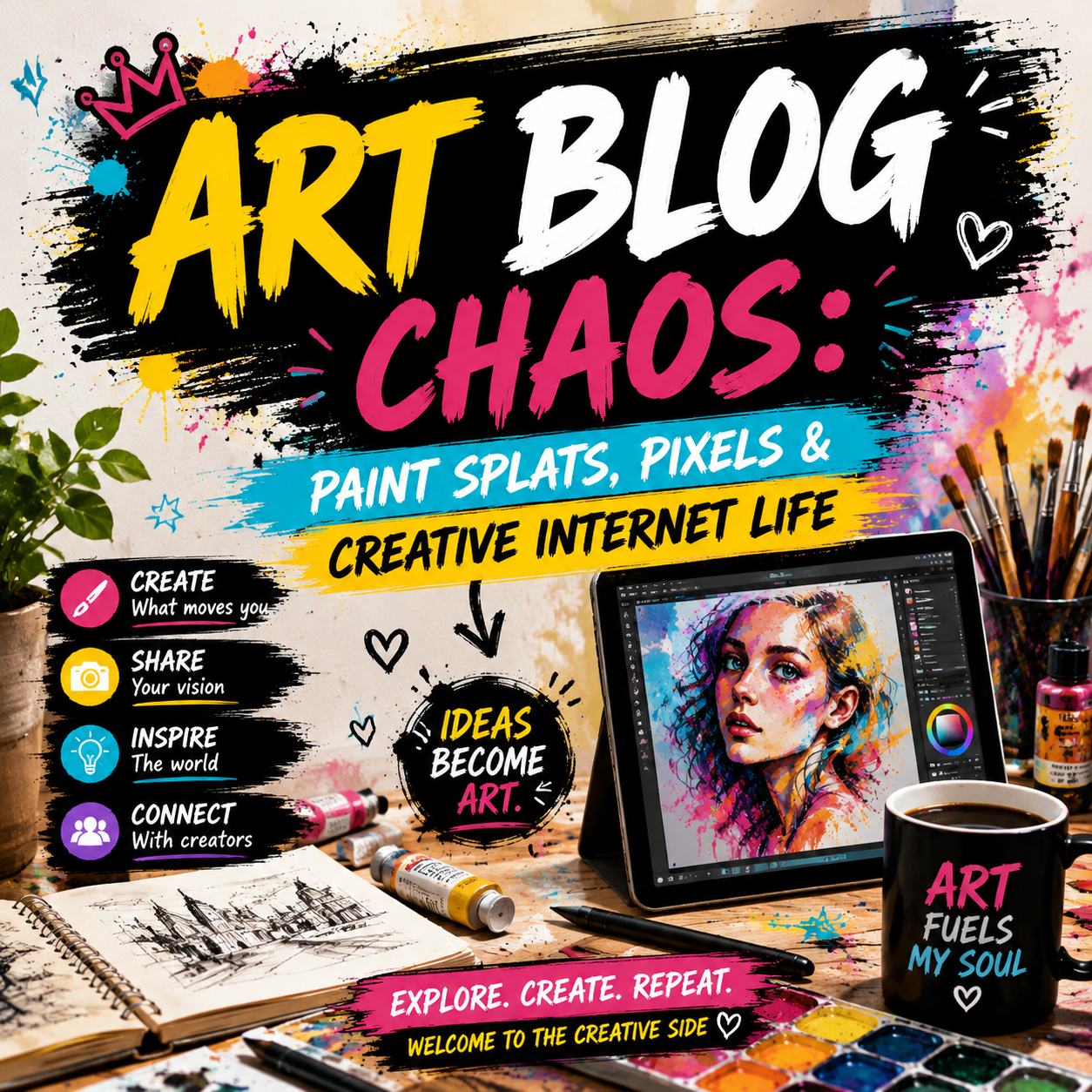
Art Blog Chaos: Paint Splats, Pixels & Creative Internet Life is more than just a quirky title—it reflects how modern creativity spills across digital spaces, blending imagination, technology, and personal expression into one messy, beautiful ecosystem.
An art blog today isn’t just a gallery of images anymore. It’s a living diary where creators, illustrators, photographers, and digital experimenters share their evolving identity with the world. From hand-drawn sketches scanned into screens to hyper-realistic AI-assisted visuals, everything finds a home here. – artitudesgallery
Understanding the Concept of Art Blogging
An art blog is essentially a personal or collective platform where visual creativity meets storytelling. It combines visuals, commentary, and emotional expression into one accessible space.
The Blend of Art and Digital Expression
Modern creators often mix traditional techniques with digital tools like Adobe Photoshop, Procreate, or even generative design systems influenced by computational aesthetics. The result is a hybrid art form that feels both personal and futuristic.
The Role of Storytelling in Art Blogs
A strong art blog doesn’t just show artwork—it explains the journey. Each piece often carries context: why it was created, what inspired it, and what emotions were involved.
Who Creates Art Blogs Today?
Art blogs are no longer limited to professional artists. Students, hobbyists, designers, and even marketers use them to express creativity.
Independent Digital Artists
Freelancers and illustrators use blogs to build portfolios and attract clients.
Art Students and Learners
They use blogs as digital sketchbooks to track growth and experimentation.
Creative Agencies
Agencies maintain art blogs to showcase branding concepts and visual campaigns.
Where Art Blogs Thrive Online
Art blogs flourish across platforms like personal websites, Tumblr-style spaces, and portfolio hubs.
Communities also form around platforms such as Behance or DeviantArt, where interaction fuels inspiration and collaboration.
When Did Art Blogging Become Popular?
Art blogging started gaining traction in the early 2000s when personal websites became easier to build. Over time, social media accelerated this trend.
With the rise of visual-first platforms like Instagram and Pinterest, the concept evolved from static blogs to dynamic storytelling ecosystems.
Why Art Blogs Matter in Modern Creativity
Art blogs matter because they preserve the creative process, not just the final product.
They help artists build identity, connect with audiences, and document artistic evolution over time. In a world where content disappears quickly, blogs offer permanence.
How to Start Your Own Art Blog Journey
Choosing Your Creative Direction
Pick a niche: illustration, photography, concept art, or mixed media.
Finding Your Visual Identity
Your style doesn’t need to be perfect—it just needs to be recognizable over time.
Setting Up the Platform
You can start with WordPress, Wix, or even a simple custom site. Focus on clean layout and image-first presentation.
Publishing Consistently
Consistency matters more than perfection. Even rough sketches can become valuable content over time.
Tools That Shape Modern Art Blogging
Today’s creators rely on a mix of analog and digital tools:
- Graphic tablets like Wacom Intuos
- Software like Adobe Illustrator and Affinity Designer
- Cloud storage for portfolio management
- AI-assisted sketch tools for concept generation
These tools don’t replace creativity—they extend it.
The Hidden Psychology Behind Art Blogging
Midway through most creative journeys, the idea of an Art Blog becomes more than just posting artwork—it turns into a psychological outlet for identity building and emotional expression.
Artists often describe it as a “mirror of thought,” where unfinished ideas feel just as important as completed works. This reflective process helps build confidence and creative discipline over time.
Community Engagement and Feedback Loops
One of the strongest parts of art blogging is interaction. Comments, shares, and critiques shape future work.
Feedback doesn’t just validate—it refines technique and pushes creative boundaries further.
Monetization and Creative Sustainability
Many art bloggers eventually turn their passion into income streams:
- Commissioned artwork
- Print sales
- Digital asset packs
- Membership platforms
Sustainability allows artists to continue creating without burnout.
Creative Writing Meets Visual Expression
Art blogs often merge writing with visuals, forming a hybrid storytelling experience. This combination helps audiences connect emotionally with artwork, not just visually.
Art blogging continues to evolve as technology reshapes how people create and share ideas. It remains one of the most flexible and expressive forms of digital storytelling, blending personal identity with global visibility.
As creativity keeps shifting between tools, platforms, and cultures, one thing stays constant—the desire to express and connect through visuals and words. That is the essence of Art Blog Chaos: Paint Splats, Pixels & Creative Internet Life.