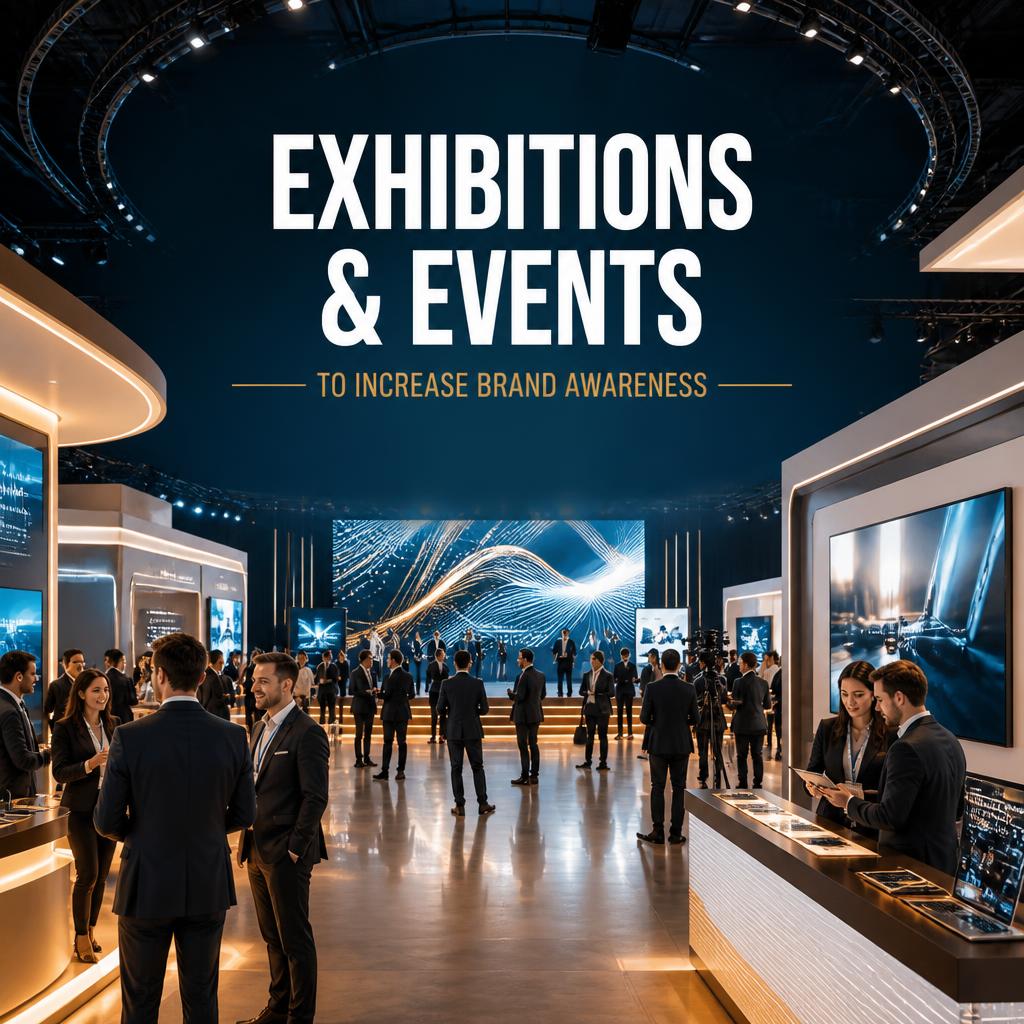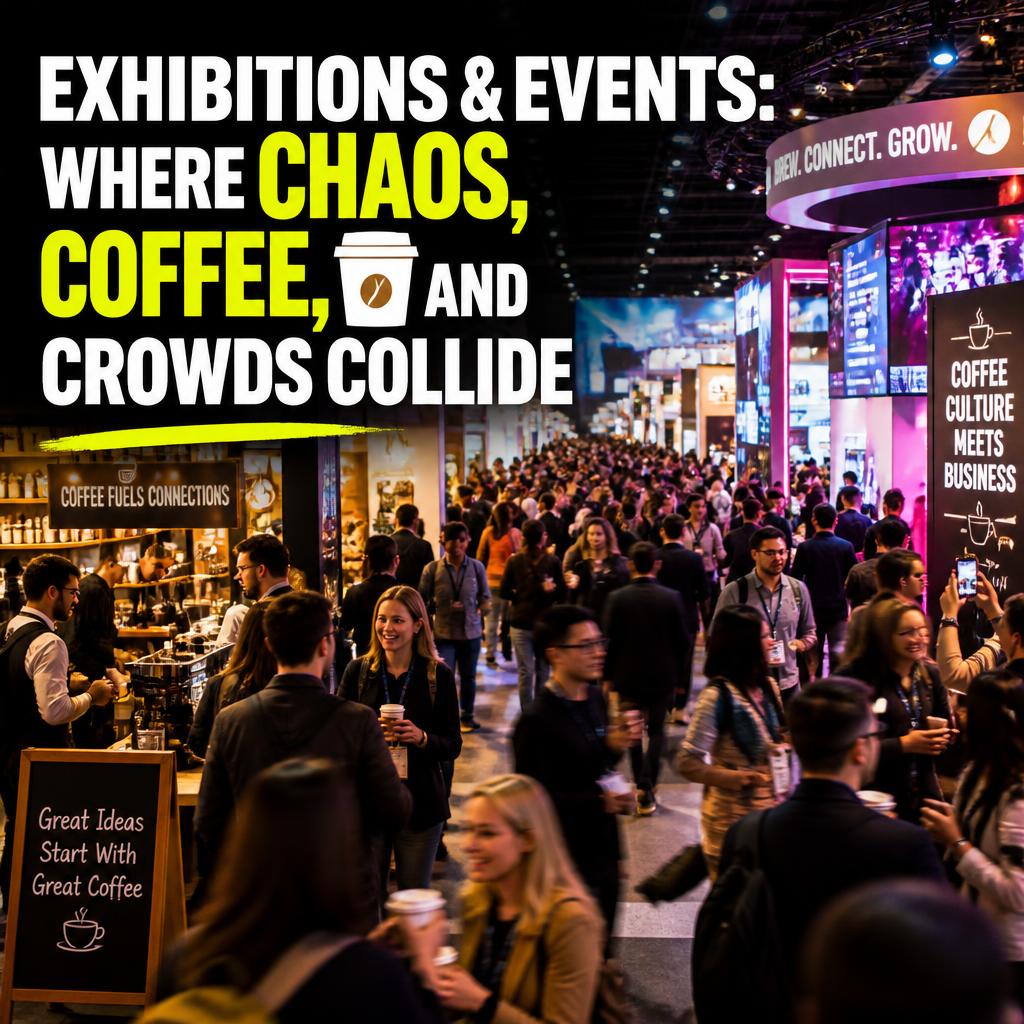
Exhibitions & Events: Where Chaos, Coffee, and Crowds Collide is more than just a catchy phrase—it perfectly captures the energetic, unpredictable world of modern gatherings where creativity, business, and culture blend into one buzzing ecosystem. From massive trade expos to niche art showcases, this space keeps evolving every year with new technologies, audience behaviors, and experiential trends.
Understanding the World of Exhibitions & Events
What Are Exhibitions & Events?
Exhibitions & events refer to organized gatherings where individuals, companies, or communities showcase ideas, products, or experiences. These can range from corporate trade shows and industry expos to cultural festivals and academic conferences.
Who Participates in These Events?
Participants usually include:
- Businesses launching products
- Artists and creators
- Industry professionals
- Visitors and consumers
- Media and influencers
Each group plays a different role, but all contribute to the dynamic atmosphere.
Where Do These Events Take Place?
They often occur in:
- Convention centers
- Exhibition halls
- Outdoor festival grounds
- Hotels and conference venues
- Virtual platforms (increasingly popular since digital transformation)
Why Exhibitions Still Matter in a Digital Era
Human Connection Still Wins
Even in a world dominated by screens, face-to-face interaction remains powerful. People trust what they can see, touch, and experience.
Business Networking Opportunities
Events provide a rare chance to meet decision-makers, investors, and collaborators in real time.
Brand Visibility Boost
A well-designed booth or presentation can elevate brand perception instantly.
The Evolution of Modern Event Experiences
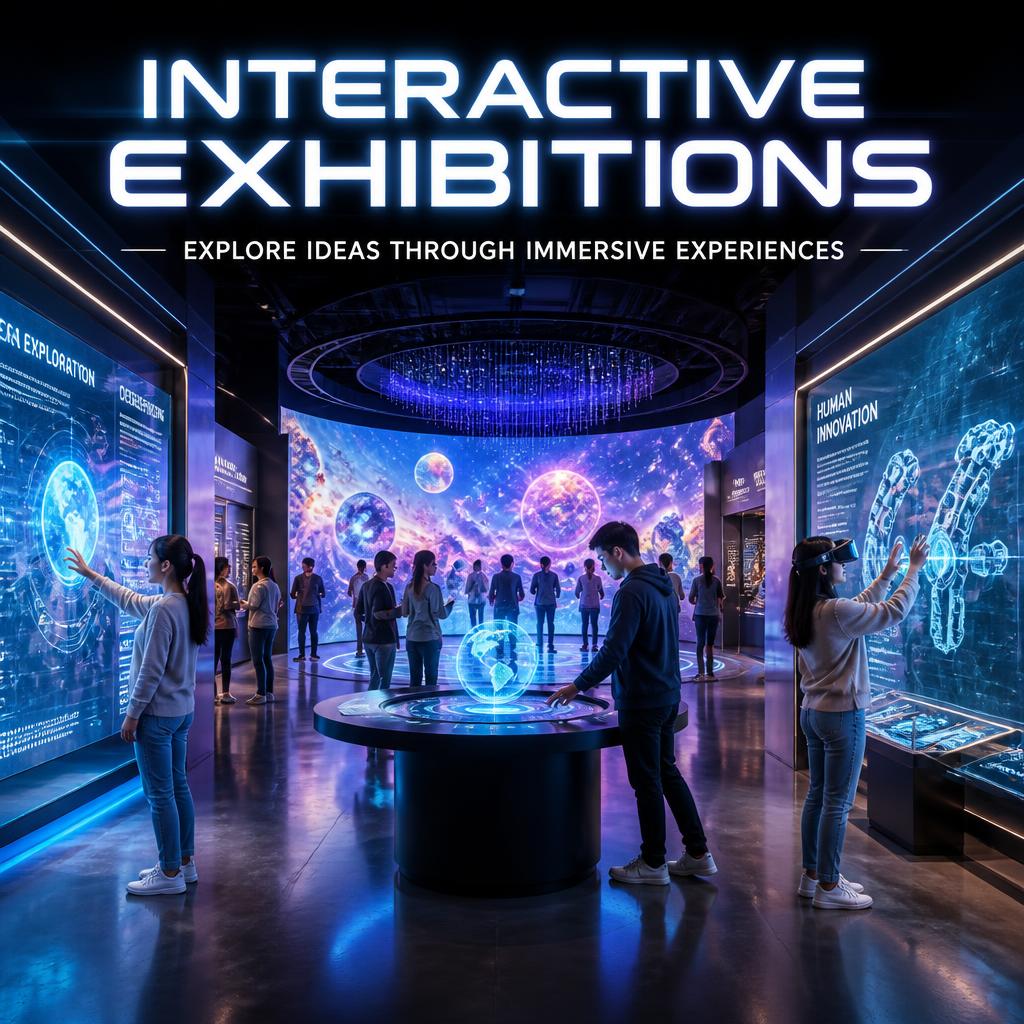
From Static Booths to Immersive Spaces
Gone are the days of simple posters and flyers. Now, brands use:
- AR (Augmented Reality)
- VR (Virtual Reality)
- Interactive LED walls
The Rise of Hybrid Formats
Hybrid events combine physical attendance with live streaming, expanding global reach without geographical limits.
Sustainability in Event Design
Eco-friendly materials, digital brochures, and low-waste setups are becoming standard practices.
Planning a Successful Exhibition Strategy
Setting Clear Objectives
Before anything else, organizers define goals such as:
- Lead generation
- Brand awareness
- Product launches
- Community engagement
Designing the Visitor Experience
Good design focuses on flow, accessibility, and emotional engagement.
Lighting and Atmosphere
Lighting plays a psychological role in attracting attention and shaping mood.
Interactive Elements
Touchscreens, live demos, and gamified booths keep visitors engaged longer.
Technology’s Role in Event Transformation
Data-Driven Event Management
Modern organizers rely on analytics to track attendance, engagement, and conversion rates.
Artificial Intelligence Integration
AI helps in:
- Personalized recommendations
- Smart ticketing systems
- Chatbots for visitor assistance
Digital Ticketing and Access Control
QR codes and NFC wristbands have replaced traditional paper tickets.
The Psychology Behind Crowd Behavior
Why People Gather in Large Events
Humans are social beings. Crowds create a sense of excitement and belonging.
Emotional Triggers at Events
Music, lighting, and storytelling activate emotional responses that influence decisions.
At the center of modern experiential marketing lies Exhibitions & Events, which act as powerful platforms where psychology, branding, and human interaction intersect in real time.
Marketing Strategies That Work in Exhibitions
Pre-Event Buzz Creation
Successful campaigns start weeks before the actual event using:
- Social media teasers
- Email campaigns
- Influencer collaborations
On-Site Engagement Tactics
Brands often use:
- Free samples
- Live demonstrations
- Contests and giveaways
Post-Event Follow-Up
The real value comes after the event through:
- Lead nurturing emails
- Retargeting ads
- Customer feedback surveys
H2: Common Challenges in Event Execution
Budget Limitations
Costs can escalate quickly if not carefully managed.
Logistics and Coordination Issues
Transporting equipment, managing schedules, and handling vendors requires precision.
Audience Retention Problems
Keeping visitors engaged for longer periods remains a constant challenge.
Future Trends in Exhibitions & Events
Metaverse Integration
Virtual exhibition halls are becoming more realistic, allowing global participation without physical travel.
Hyper-Personalized Experiences
Attendees will receive customized content based on their interests and behavior.
AI-Powered Event Analytics
Predictive tools will help organizers anticipate crowd behavior and optimize layouts in real time.
Real-World Impact of Events on Industries
Boosting Small Businesses
Startups often gain exposure and investment opportunities through expos.
Cultural Exchange Platforms
International exhibitions promote understanding between different cultures.
Innovation Acceleration
Tech expos often reveal groundbreaking innovations before they reach mainstream markets.
Tools and Platforms Supporting Event Growth
Event Management Software
Platforms help with scheduling, ticketing, and analytics in one place.
Virtual Event Platforms
These tools allow global streaming, networking rooms, and live Q&A sessions.
Final Thoughts on Industry Growth
The world of exhibitions continues to expand beyond traditional boundaries, blending physical presence with digital innovation in unexpected ways. As technology advances and audience expectations evolve, organizers must adapt quickly while still maintaining authentic human connection.
In the end, Exhibitions & Events: Where Chaos, Coffee, and Crowds Collide remains a fitting description of this vibrant ecosystem—where ideas meet people, and moments turn into lasting impact.