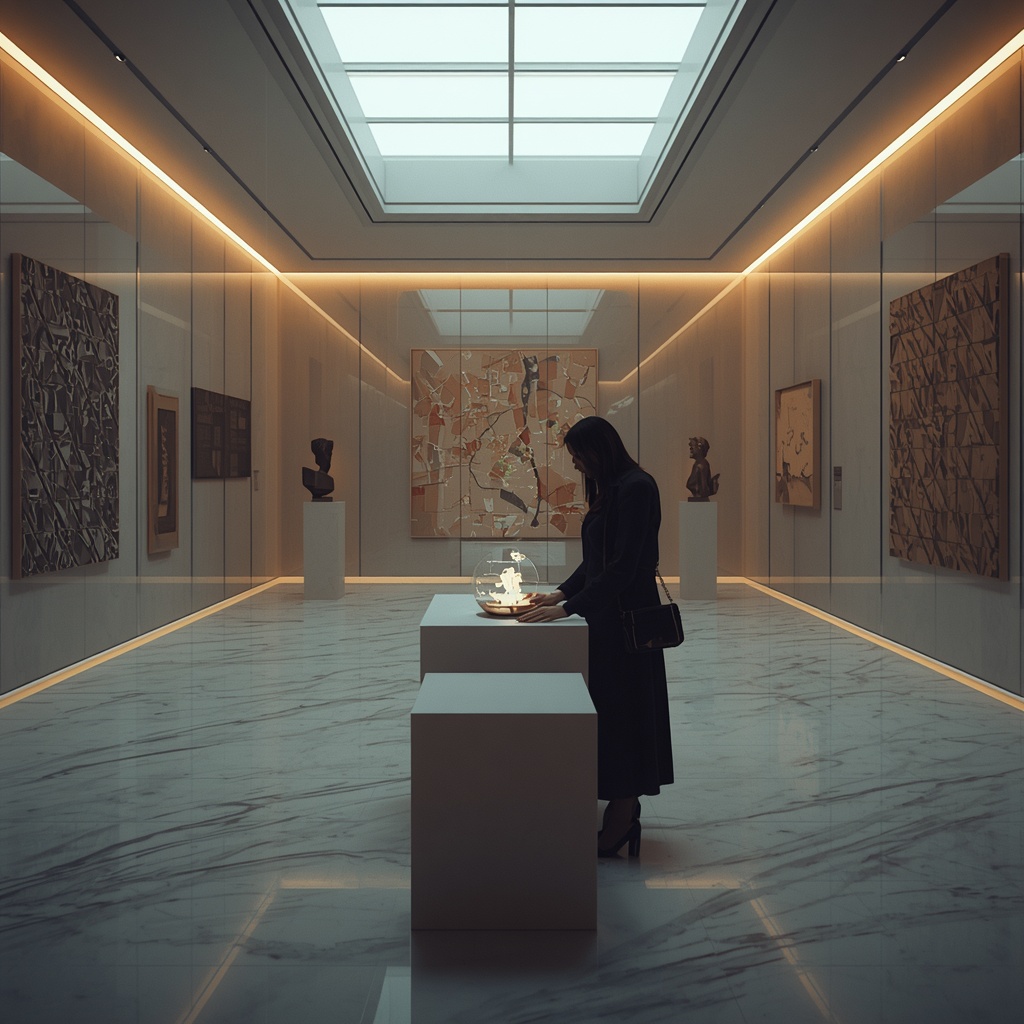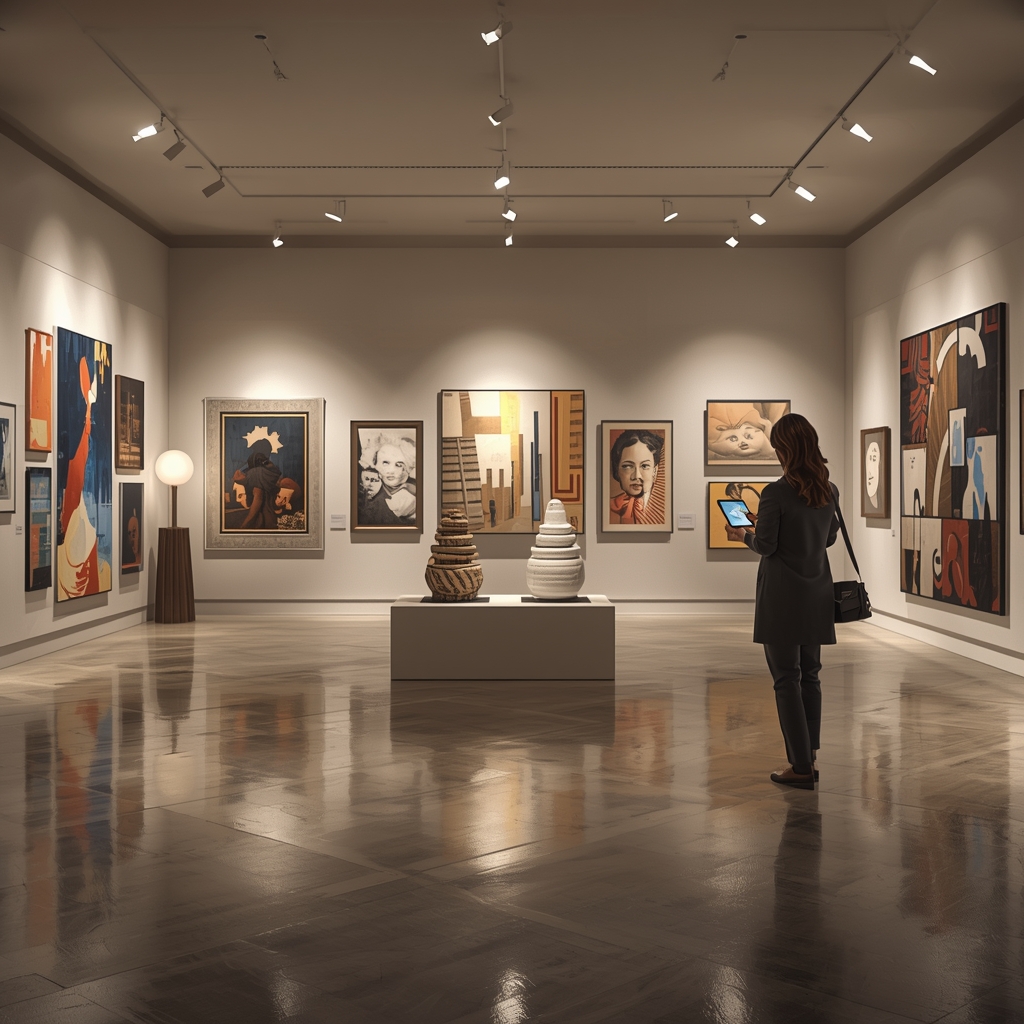
Modern Art Collections and Their Hidden Stories Explained reveal that every artwork carries more than just colors, shapes, and creative techniques. Behind every painting, sculpture, installation, or mixed-media piece, there are personal experiences, cultural movements, and emotional messages waiting to be discovered. Modern art collections have become a fascinating window into human imagination, showing how artists transform ordinary moments into powerful visual narratives. – artitudesgallery.com
Understanding the Meaning Behind Modern Art Collections
Modern art collections are groups of artworks created during the modern art era and beyond, usually focusing on innovation, experimentation, and personal expression. Unlike traditional artworks that often followed strict rules, modern artists explored new approaches through abstract forms, unusual materials, and unique perspectives.
Many collectors, museums, and private galleries preserve these collections because they represent important changes in society. The artworks often reflect themes such as identity, technology, politics, nature, and human emotions.
The interesting part is that a modern artwork rarely tells its entire story on the surface. A simple-looking painting may represent years of personal struggle, a response to historical events, or a hidden message about the world around the artist.
How Modern Artists Create Stories Through Their Work
Every artist has a different way of communicating ideas. Some use bright colors to express happiness or energy, while others use darker tones to explore complex emotions.
The Role of Personal Experiences in Modern Art
Many modern artworks come directly from the artist’s life journey. Childhood memories, relationships, social experiences, and personal challenges often become the foundation of creative ideas.
For example, an artist may create a collection inspired by a specific location where they spent years living. The artwork may include symbolic objects, familiar landscapes, or abstract patterns that represent personal memories.
This approach makes modern art collections feel more intimate because viewers are not only looking at an image but also entering a small part of the creator’s world.
Hidden Symbols and Visual Messages
One of the most exciting elements of modern art is discovering hidden meanings. Artists often include symbols that require deeper observation.
A repeated shape may represent an important belief. A specific color combination may reflect an emotional state. Even the choice of material can provide clues about the message behind the artwork.
Art researchers often study these details through visual analysis, a method used to understand how artistic elements communicate ideas.
Why Modern Art Collections Matter in Today’s World
Modern art collections continue to influence culture because they capture the spirit of different generations. They show how people think, feel, and respond to changes happening around them.
Preserving Cultural and Historical Stories
Many modern artworks act as visual records of history. They document important moments, social movements, and changing lifestyles.
Museums often collect modern pieces because they provide future generations with a creative perspective on past events. Instead of reading only written records, people can experience history through colors, textures, and artistic expressions.
Connecting Different Generations Through Creativity
Art has a unique ability to connect people from different backgrounds. A painting created decades ago can still create emotional reactions among viewers today.
Modern art collections encourage conversations between artists, historians, and audiences. They create opportunities for people to discuss different viewpoints and understand diverse experiences.
Exploring Different Types of Modern Art Collections
Modern art is not limited to paintings. Today’s collections include various forms of creative expression.
Contemporary Painting Collections and Their Unique Approaches
Painting remains one of the most recognized forms of modern art. However, modern painters often move beyond traditional techniques.
Many artists experiment with:
- Abstract compositions that focus on emotions rather than realistic images
- Mixed-media techniques combining different materials
- Experimental painting styles that challenge normal artistic expectations
These collections often encourage viewers to create their own interpretations instead of searching for a single answer.
Sculpture and Installation Art With Deeper Meanings
Modern sculpture collections often use unconventional materials such as metal, recycled objects, glass, and digital elements.
Installation art takes this idea further by transforming entire spaces into artistic experiences. Visitors may walk through the artwork, interact with objects, or experience sounds and lighting effects.
These artworks often explore topics related to technology, environment, and human relationships.
Digital Art Collections and the Future of Creativity
Technology has changed how artists create and display their work. Digital art collections now include computer-generated artwork, interactive designs, and virtual experiences.
Artists use software, artificial intelligence, and digital tools to develop new forms of expression. This creates a connection between creativity and modern technology.
Digital collections also allow more people worldwide to experience artworks without visiting traditional galleries.
Famous Themes Found Inside Modern Art Collections
Modern artists frequently explore universal themes that remain relevant across different cultures.
Identity and Human Emotion
Many collections focus on personal identity, exploring questions about who we are and how society shapes our experiences.
Portraits, abstract figures, and symbolic artworks often represent emotions that words cannot fully explain.
Nature and Environmental Awareness
Environmental themes have become increasingly common in modern art collections. Artists use their work to discuss climate change, conservation, and humanity’s relationship with nature.
Through creative storytelling, artworks can encourage viewers to think differently about environmental challenges.
Technology and Social Change
The relationship between humans and technology is another major theme. Modern artists often examine how digital lifestyles influence communication, relationships, and everyday experiences.
These artworks provide a creative reflection of how society continues to evolve.
How Museums and Collectors Discover Hidden Stories
Curators play an important role in explaining the deeper meanings behind modern art collections. They research artist backgrounds, historical contexts, and creative methods.
The Importance of Art Research
Professional researchers use art history, interviews, documents, and creative studies to understand artworks.
They examine:
- The artist’s background
- The period when the artwork was created
- The materials used
- Social conditions influencing the artist
This research helps audiences appreciate artworks beyond their visual appearance.
Private Collectors and Personal Interpretations
Private collectors often choose artworks because they connect emotionally with specific pieces.
A collector may see a hidden story that feels meaningful to their own life. This personal connection makes modern art collections even more diverse and interesting.
The Growing Popularity of Modern Art Collections Online
The internet has changed how people discover and collect art. Online galleries, virtual exhibitions, and digital marketplaces allow audiences to explore artworks from anywhere.
Many museums now provide virtual tours, making modern art collections accessible to global communities.
This digital transformation helps younger generations develop an interest in art while giving artists new platforms to share their creations.
How to Appreciate Modern Art Like an Experienced Viewer
Understanding modern art does not require professional training. Anyone can enjoy it by approaching each artwork with curiosity.
Start by observing the details. Notice the colors, shapes, materials, and emotions you experience. Instead of asking only “What does this mean?”, try asking “Why did the artist create it this way?”
Learning about the artist’s background can also reveal fascinating connections between the artwork and real-life events.
Final Thoughts on Modern Art Collections and Their Hidden Stories Explained
Modern Art Collections and Their Hidden Stories Explained show that every artwork has a deeper conversation waiting beneath its surface. From personal memories and cultural movements to technological innovation and environmental messages, modern art continues to tell stories that connect people across time. Exploring these collections is not only about viewing beautiful creations but also about discovering the emotions, ideas, and hidden meanings that make each piece truly unforgettable.