The Rise of Hidden Creativity in Urban Spaces
Canvas Chaos: Underground Artists Turning Scrap Into Gold is no longer just a rebellious art trend hiding in abandoned warehouses. It has evolved into a powerful cultural movement where discarded materials become breathtaking masterpieces. Across major cities, underground creators are transforming rusted metal, broken furniture, torn fabrics, and industrial waste into gallery-worthy installations that challenge modern consumerism. – artitudesgallery
At the same time, younger audiences are embracing these artists because the work feels raw, authentic, and emotionally charged. Unlike mass-produced décor, scrap art carries history, imperfections, and personality.
Why Scrap Art Suddenly Feels More Valuable
The art world changes fast, but recycled creativity continues gaining momentum because people crave originality. Traditional luxury often looks polished and predictable. Scrap art feels alive.
How Imperfection Became the New Luxury
Perfect symmetry and factory-made aesthetics once dominated interior trends. However, homeowners, collectors, and designers now seek textures with character. Scratched wood, oxidized steel, and weathered paint communicate stories that polished surfaces cannot.
As a result, underground artists are finding unexpected demand from luxury cafés, boutique hotels, and modern loft designers.
The Emotional Connection Behind Recycled Art
People connect deeply with objects that once served another purpose. A bicycle chain transformed into sculpture or shattered mirrors turned into mosaics create emotional curiosity. Viewers naturally ask:
- Who made this?
- Where did these materials come from?
- Why does this feel so personal?
That emotional pull increases the artistic value dramatically.
Where Underground Artists Find Their Materials
Scrap artists rarely shop in traditional art supply stores. Instead, they search in places most people ignore.
Industrial Junkyards
Factories often discard massive amounts of usable metal, wiring, and machinery parts. Artists repurpose these items into futuristic sculptures and industrial wall décor.
Street Markets and Forgotten Warehouses
Many creators explore abandoned areas looking for vintage objects with texture and history. Old doors, broken signs, and cracked tiles frequently become centerpiece materials.
Why Urban Decay Inspires Creativity
Underground artists see beauty inside neglected environments. Peeling paint, rust patterns, and broken concrete provide visual inspiration impossible to recreate artificially.
Who Is Buying Scrap-Based Artwork Today?
Years ago, scrap art appealed mostly to niche collectors. That changed rapidly after social media amplified unconventional aesthetics.
Interior Designers Seeking Statement Pieces
Minimalist interiors often need one dramatic focal point. Scrap-based installations deliver exactly that because they feel handcrafted and impossible to duplicate.
Young Collectors Craving Authenticity
Younger buyers increasingly avoid generic mass-market decoration. They want artwork connected to sustainability, individuality, and culture.
That shift explains why recycled installations now appear inside trendy restaurants, music studios, and creative offices worldwide.
The Sustainability Factor Driving Global Attention
Environmental concerns also fuel the popularity of underground scrap art. Consumers are becoming more conscious about waste and overproduction.
How Artists Reduce Environmental Waste
By reusing abandoned materials, artists prevent usable objects from ending up in landfills. Many creators intentionally source local waste to reduce transportation pollution as well.
Art as a Protest Against Consumer Culture
Some underground creators use their work to criticize fast consumption. Their installations visually expose how much society throws away daily.
This artistic rebellion resonates strongly with environmentally conscious audiences.
Social Media Changed Everything for Scrap Artists
Platforms like Instagram and TikTok dramatically accelerated the visibility of underground art scenes.
Viral Videos Create Instant Demand
Short transformation clips showing rusty junk becoming luxury décor attract millions of views. Audiences love dramatic before-and-after visuals.
As engagement rises, artists receive commissions from collectors, brands, and event organizers.
Digital Exposure Opens Global Opportunities
Previously, underground creators depended on local communities. Today, international buyers discover artists instantly through hashtags and visual storytelling.
That exposure helps talented creators monetize their work without relying on traditional galleries.
Challenges Underground Artists Still Face
Despite growing popularity, many scrap artists struggle financially and professionally.
Limited Access to Mainstream Galleries
Traditional art institutions sometimes dismiss recycled work as “craft” instead of fine art. That perception limits exhibition opportunities.
High Labor With Unpredictable Income
Scrap-based creations often require extensive manual work. Cleaning, reshaping, welding, and restoring materials takes significant time. Yet pricing remains inconsistent.
Why Authentic Scrap Art Cannot Be Mass Produced
Every recovered material has unique imperfections. Because no two pieces are identical, large-scale production becomes nearly impossible. Ironically, that limitation also increases exclusivity.
How Scrap Art Influences Modern Design Trends
Underground aesthetics now influence mainstream interior and commercial design.
Industrial-Organic Fusion Styles
Modern interiors increasingly combine raw industrial textures with warm natural elements. Scrap art perfectly complements this balance.
Event Spaces Using Recycled Installations
Music festivals, art cafés, and fashion events often feature large-scale recycled sculptures because they create immersive visual experiences.
Many brands also use recycled art displays to communicate sustainability values publicly.
The Future of Canvas Chaos and Recycled Creativity
The movement shows no signs of slowing down. As sustainability conversations expand globally, recycled art will likely become even more influential.
Technology Meets Scrap Innovation
Some artists now combine traditional scrap materials with LED lighting, projection mapping, and interactive sound design. This fusion creates immersive installations that blur the line between technology and physical art.
Why Younger Generations Support the Movement
Younger audiences appreciate creativity that feels rebellious yet meaningful. Scrap art reflects individuality, environmental awareness, and cultural storytelling simultaneously.
That combination makes the movement highly relevant in modern creative culture.
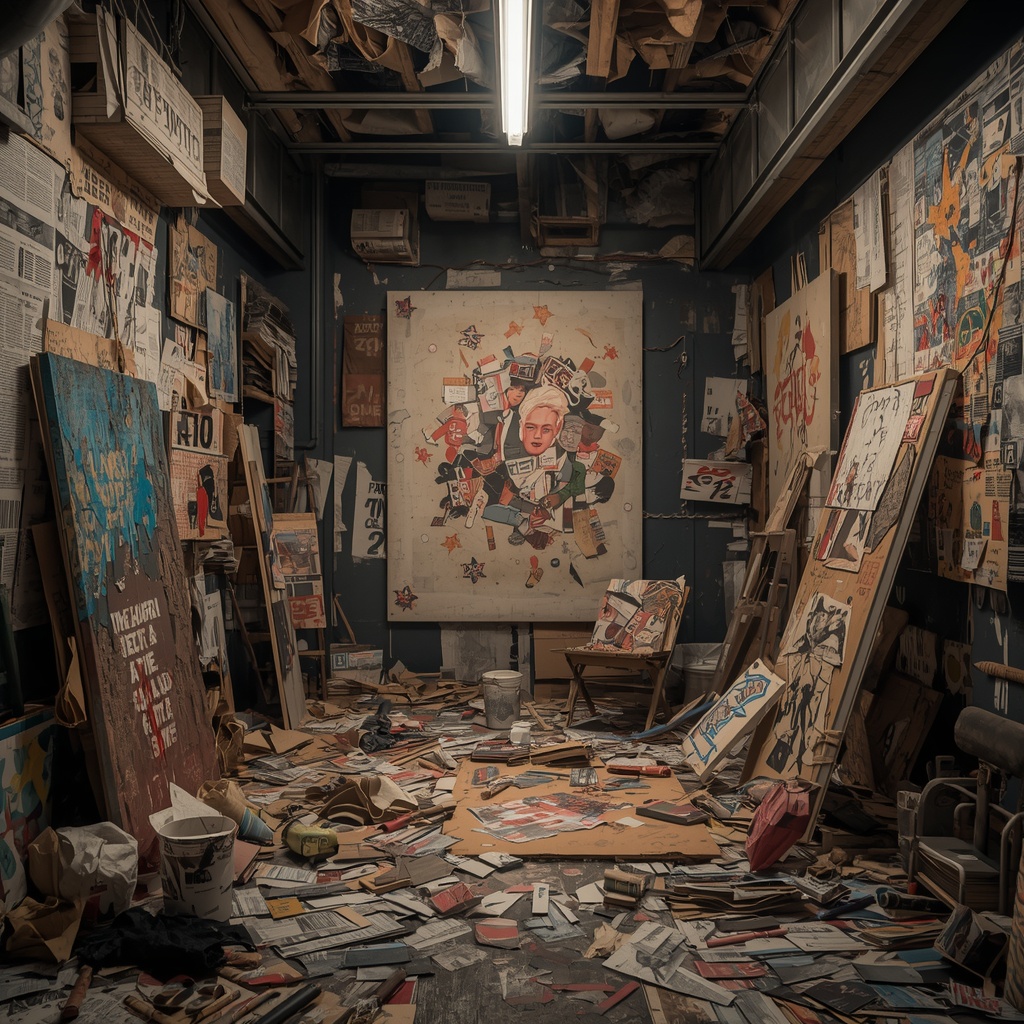
Creative recycled art installations for urban interiors
FAQ About Scrap Art and Underground Artists
What is scrap art?
Scrap art is artwork created using discarded or recycled materials such as metal, wood, plastic, fabric, or industrial waste.
Why are underground artists becoming popular?
People increasingly value originality, sustainability, and emotional storytelling. Underground artists offer all three through unconventional creative methods.
Where can scrap art be displayed?
Scrap art works well in homes, cafés, offices, galleries, hotels, and event venues. Large installations are especially popular in industrial-style interiors.
Is recycled art expensive?
Pricing varies widely depending on the artist, material rarity, size, and complexity. Unique handmade installations can become highly valuable.
How do artists turn trash into luxury décor?
Artists clean, reshape, combine, and redesign discarded materials into visually striking pieces. Creative vision plays a bigger role than the original object itself.
Why does recycled art matter today?
It encourages sustainability, reduces waste, and challenges society’s obsession with disposable consumer culture.
Canvas Chaos: Underground Artists Turning Scrap Into Gold represents more than a visual trend. It reflects a cultural shift toward authenticity, sustainability, and fearless creativity. By transforming abandoned materials into emotional works of art, underground creators continue reshaping how people define beauty, value, and artistic expression in the modern world.