Exhibitions & Events Are Redefining Audience Experiences
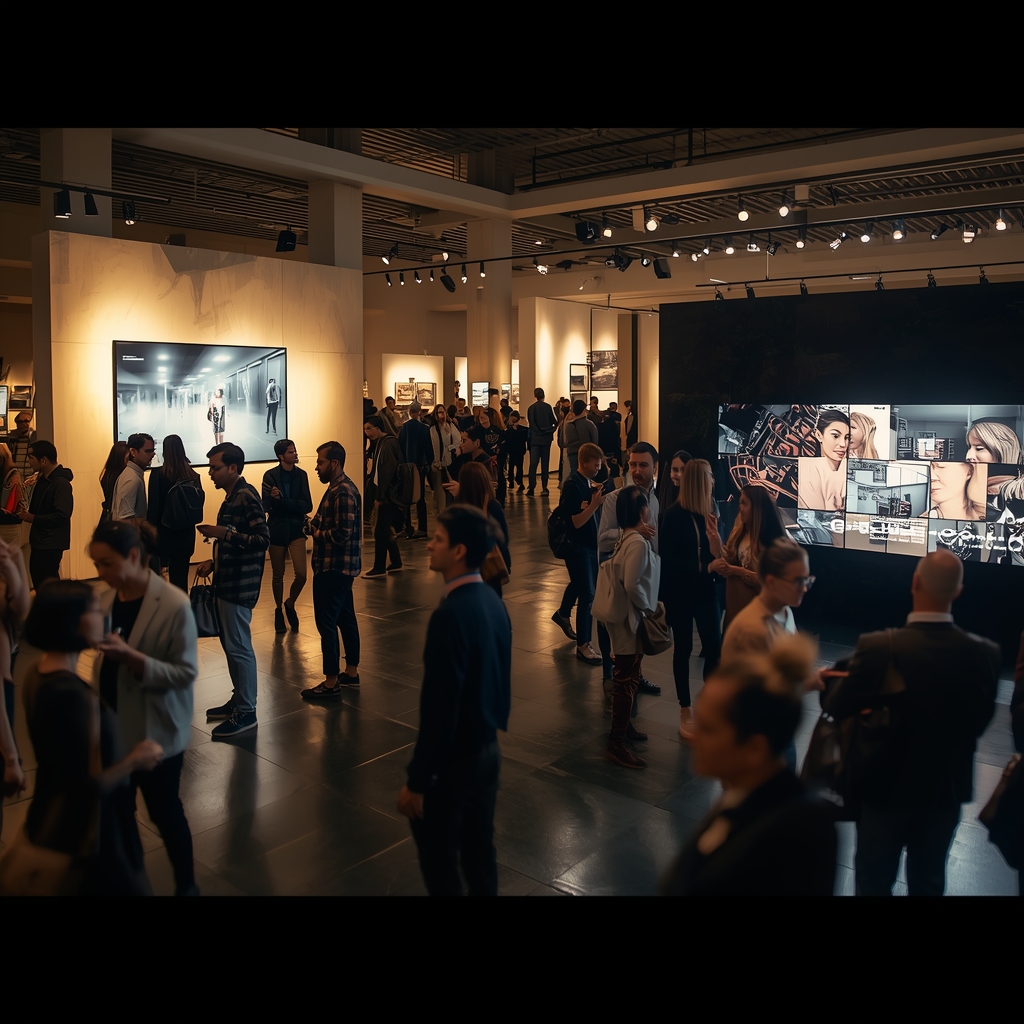
Exhibitions & Events Trends 2026: Creating Memorable Experiences That Captivate Audiences highlights how organizations are transforming traditional gatherings into immersive experiences. Whether visitors attend a trade show, art exhibition, corporate conference, or cultural festival, expectations continue to rise. Today, audiences seek meaningful interactions, engaging storytelling, and memorable moments that extend beyond the venue itself. – artitudesgallery
What Makes Modern Exhibitions & Events Different?
Modern Exhibitions & Events focus on participation rather than passive observation. Organizers increasingly design environments where attendees can explore, interact, and contribute.
From interactive displays to personalized experiences, the goal is simple: create stronger emotional connections between visitors and brands, artists, or organizations.
Key Characteristics of Today’s Events
- Interactive experiences
- Hybrid online and offline participation
- Personalized visitor journeys
- Data-driven planning
- Social media integration
Why Exhibitions & Events Remain Important
Despite rapid digital growth, face-to-face experiences remain highly valuable. Businesses, creators, and communities continue to invest in events because they generate trust and foster relationships.
People remember experiences far longer than advertisements. As a result, exhibitions and events often deliver stronger engagement compared to traditional marketing channels.
Benefits for Businesses
Businesses use events to:
- Launch products
- Meet customers directly
- Generate leads
- Build authority
- Strengthen brand awareness
How Technology Is Transforming Event Experiences
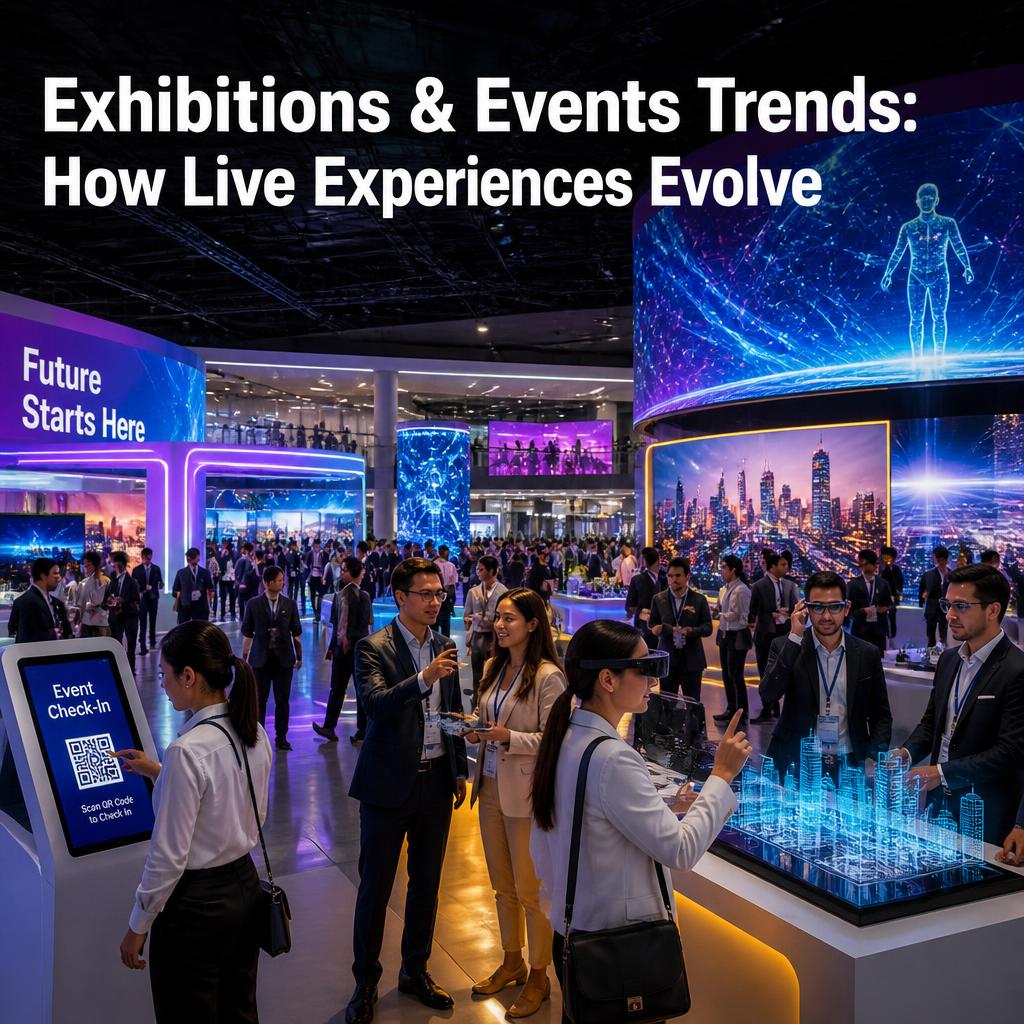
Technology plays a major role in the evolution of exhibitions and events. Event organizers now use digital tools to improve visitor experiences before, during, and after the event.
Virtual and Hybrid Events
Hybrid formats allow audiences from different locations to participate simultaneously. This approach expands reach while reducing travel limitations.
AI-Powered Personalization
Artificial intelligence helps organizers recommend sessions, exhibitors, and networking opportunities based on attendee interests.
Smart Event Analytics
Advanced analytics reveal visitor behavior patterns, helping organizers improve future events with greater precision.
Who Attends Modern Exhibitions & Events?
Audience diversity continues to grow. Today’s events attract professionals, students, entrepreneurs, investors, families, and hobbyists.
Different attendee groups often seek different outcomes:
- Professionals look for networking opportunities.
- Businesses seek partnerships.
- Consumers explore products and services.
- Enthusiasts pursue learning and inspiration.
Understanding audience goals helps organizers create more relevant experiences.
Where Are Exhibitions & Events Thriving?
Major cities remain popular destinations for large-scale exhibitions and conferences. However, regional venues are also gaining attention.
Many organizers now choose flexible spaces such as:
- Convention centers
- Museums
- Art galleries
- Outdoor venues
- Historic buildings
- Innovation hubs
The location itself often becomes part of the overall experience.
When Should Organizations Host Events?
Timing can significantly impact attendance and engagement.
Several factors influence scheduling decisions:
- Industry calendars
- Seasonal trends
- Public holidays
- School schedules
- Local tourism patterns
Successful organizers carefully analyze audience behavior before selecting event dates.
How to Create a Successful Exhibition or Event
Planning successful Exhibitions & Events requires a structured approach.
Define Clear Objectives
Every event should begin with specific goals. Organizers must determine whether they want to generate sales, educate audiences, increase visibility, or build community engagement.
Design an Engaging Visitor Journey
Visitors should experience a logical and enjoyable flow from entry to exit.
Important elements include:
- Clear signage
- Interactive stations
- Comfortable spaces
- Networking zones
- Photo opportunities
Promote Across Multiple Channels
Marketing efforts should combine:
- Social media campaigns
- Email marketing
- Influencer collaborations
- Media outreach
- Community partnerships
A comprehensive promotional strategy increases attendance and visibility.
Emerging Trends Shaping the Future
Several trends are influencing the future of exhibitions and events.
Sustainability Initiatives
Many organizers now prioritize eco-friendly practices such as digital tickets, reusable materials, and reduced waste programs.
Immersive Experiences
Augmented reality, projection mapping, and interactive storytelling continue to attract attention and improve visitor engagement.
Community-Centered Events
Events increasingly focus on building communities rather than simply attracting attendees. Long-term relationships often generate greater value than one-time interactions.
Measuring Event Success Effectively
Successful event evaluation goes beyond attendance numbers.
Organizers should track:
- Visitor satisfaction
- Lead generation
- Social media engagement
- Revenue performance
- Brand awareness growth
- Return on investment
These metrics provide a more complete picture of event performance.
Discover innovative exhibition planning strategies for unforgettable audience engagement
FAQ About Exhibitions & Events
What are exhibitions and events?
Exhibitions and events are organized gatherings designed to showcase products, services, ideas, art, culture, or educational content to a targeted audience.
Why are exhibitions important for businesses?
They provide opportunities to connect directly with customers, generate leads, increase brand visibility, and build professional relationships.
How do hybrid events work?
Hybrid events combine in-person attendance with virtual participation, allowing remote audiences to engage through digital platforms.
What technologies are commonly used in modern events?
Popular technologies include event apps, AI-powered recommendations, virtual reality, augmented reality, live streaming, and advanced analytics tools.
How can organizers improve attendee engagement?
Interactive activities, personalized experiences, networking opportunities, and immersive content can significantly increase engagement levels.
What is the biggest trend in exhibitions and events today?
Many experts consider immersive and technology-enhanced experiences to be among the most influential trends shaping the industry.
The future of Exhibitions & Events Trends 2026: Creating Memorable Experiences That Captivate Audiences lies in blending creativity, technology, and human connection. Organizations that prioritize audience engagement, personalized experiences, and meaningful interactions will continue to stand out in a competitive landscape. As expectations evolve, exhibitions and events will remain powerful platforms for education, networking, innovation, and lasting brand impact.