Exploring the Beauty, Investment Potential, and Legacy of Curated Art Collections
Discover Rare Art Collections That Transform Spaces and Value is more than a trend-driven concept—it reflects how carefully selected artworks can elevate interiors, preserve cultural stories, and even build long-term financial value. Whether you’re a first-time buyer or a seasoned collector, understanding the world of Art Collections can help you make smarter and more rewarding decisions. – artitudesgallery
What Are Art Collections?
Art Collections are groups of artworks gathered around a specific theme, style, period, artist, or personal interest. They may include paintings, sculptures, photography, digital art, mixed media pieces, and historical artifacts.
Some collections focus on modern creativity, while others preserve centuries of artistic heritage. Regardless of size, every collection tells a unique story.
Why People Build Art Collections
Collectors are motivated by various reasons. Some purchase art for aesthetic enjoyment, while others view it as a strategic investment.
Personal Expression
Art allows individuals to showcase their tastes, beliefs, and cultural interests. A collection often becomes an extension of the collector’s identity.
Financial Opportunity
Certain artworks appreciate significantly over time. As a result, many investors diversify portfolios through carefully selected pieces.
Cultural Preservation
Collectors frequently play an important role in preserving artistic movements, regional traditions, and historical narratives.
Who Should Consider Collecting Art?
Art collecting is no longer limited to wealthy elites. Today, anyone with curiosity and a clear vision can begin.
Beginners
New collectors can start with affordable prints, emerging artists, or local gallery exhibitions.
Professionals and Investors
Business owners, executives, and investors often include art among their alternative assets.
Art Enthusiasts
People passionate about creativity and culture naturally enjoy building meaningful collections over time.
How to Start an Art Collection
Beginning an art collection may seem overwhelming. However, a structured approach makes the process much easier.
Define Your Interests
Identify the styles, mediums, or themes that genuinely resonate with you. Contemporary art, abstract works, landscapes, and portraiture all attract different audiences.
Establish a Budget
Determine how much you’re comfortable spending. Consistency often matters more than making one expensive purchase.
Research Artists
Study artist backgrounds, exhibition history, and market performance before buying.
Visit Galleries and Art Fairs
Seeing artwork in person provides valuable perspective that photographs cannot always capture.
A great starting point is exploring resources focused on contemporary art collecting strategies to understand market trends and artist development.
Where to Find Quality Art Collections
The modern art market offers numerous opportunities to discover exceptional pieces.
Galleries
Professional galleries often represent established and emerging artists while providing expert guidance.
Auctions
Auction houses can reveal rare opportunities, especially for collectors seeking historically significant works.
Online Platforms
Digital marketplaces have made art more accessible than ever before. Collectors can browse global inventories from virtually anywhere.
Artist Studios
Purchasing directly from artists creates a personal connection and often provides deeper insight into the creative process.
Key Factors That Influence Art Value
Understanding valuation helps collectors make informed decisions.
Artist Reputation
Recognition, awards, museum exhibitions, and critical reviews significantly affect demand.
Provenance
Documented ownership history increases credibility and value.
Condition
Artwork maintained in excellent condition generally commands higher prices.
Rarity
Limited availability often increases desirability among collectors.
Common Mistakes New Collectors Make
Many beginners rush into purchases without sufficient research.
Following Trends Blindly
Popular trends may fade quickly. Instead, focus on pieces you genuinely appreciate.
Ignoring Documentation
Certificates of authenticity and purchase records are essential for future resale or insurance purposes.
Neglecting Storage
Improper lighting, humidity, and handling can damage valuable artwork.
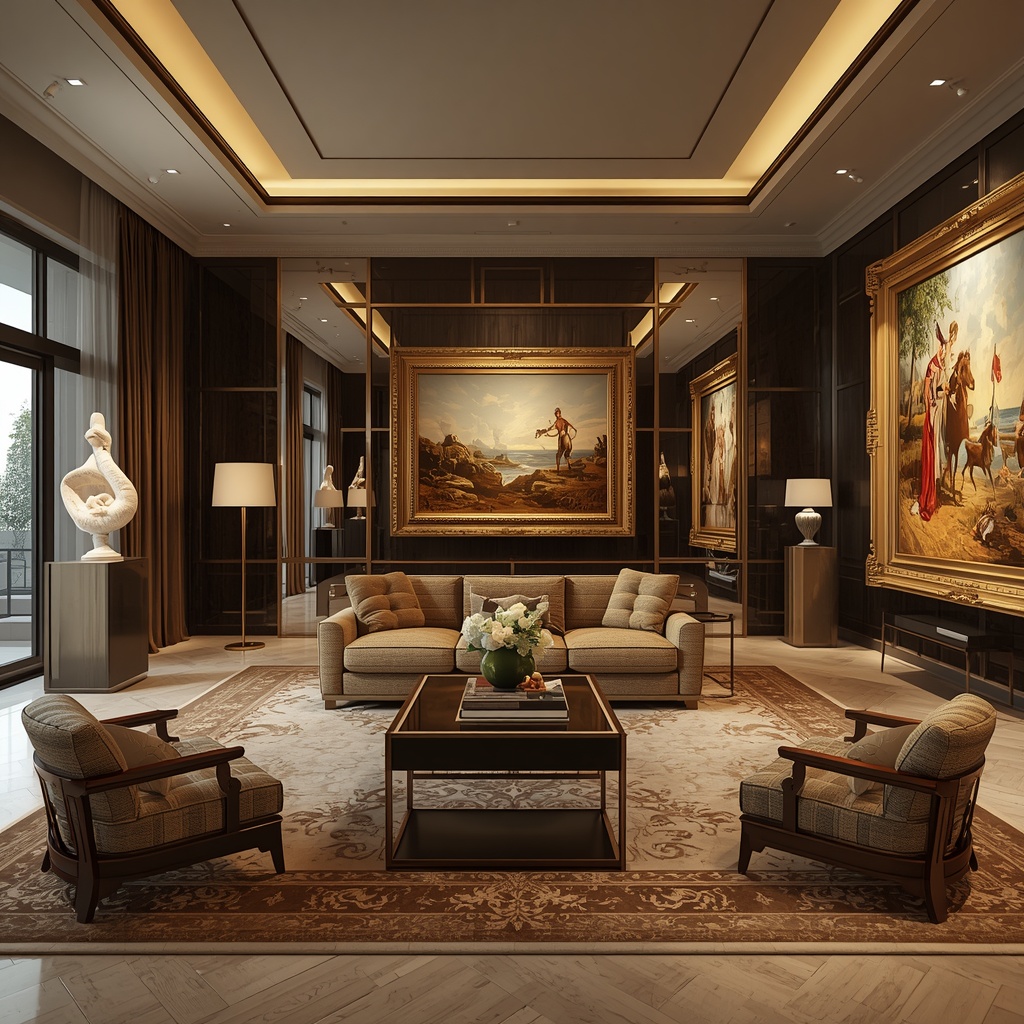
How Art Collections Enhance Living and Working Spaces
Art influences mood, atmosphere, and visual identity.
In homes, artwork creates warmth and personal character. In offices, carefully selected pieces can strengthen branding, encourage creativity, and leave lasting impressions on clients and visitors.
Moreover, thoughtfully curated collections often become conversation starters that add depth to any environment.
Digital Art and Modern Collecting Trends
Technology continues reshaping the art world.
The Rise of Digital Artwork
Digital creators now reach global audiences through online platforms and virtual exhibitions.
Global Accessibility
Collectors can discover artists from different countries without traveling internationally.
Younger Collectors Enter the Market
Millennials and younger professionals increasingly view art as both a lifestyle choice and a long-term asset.
Building a Legacy Through Art Collections
Many collectors think beyond immediate enjoyment. They build collections intended to educate future generations, support artists, and preserve cultural narratives.
Over time, a carefully assembled collection can become a meaningful family asset, museum donation, or philanthropic contribution.
FAQ About Art Collections
What is the best type of art for beginners?
Emerging artists, limited-edition prints, and local gallery works are often excellent starting points due to their accessibility and affordability.
How much money do I need to start collecting art?
You can begin with a modest budget. Many quality pieces are available at a few hundred dollars or less.
Is art a good investment?
Art can appreciate in value, but returns vary. Successful collecting requires research, patience, and long-term thinking.
How do I know if an artwork is authentic?
Request certificates of authenticity, provenance documentation, and professional verification when necessary.
Should I buy art online?
Yes. Reputable online platforms offer convenient access to artists and galleries worldwide. Always verify seller credibility before purchasing.
How often should I review my collection?
Review your collection annually to assess condition, insurance coverage, and potential market value changes.
Discover Rare Art Collections That Transform Spaces and Value highlights how collecting art combines creativity, culture, and opportunity. Whether your goal is personal enjoyment, investment growth, or cultural preservation, thoughtfully curated Art Collections can provide lasting rewards. By researching carefully, buying intentionally, and collecting with passion, you can create a collection that enriches both your environment and your future.