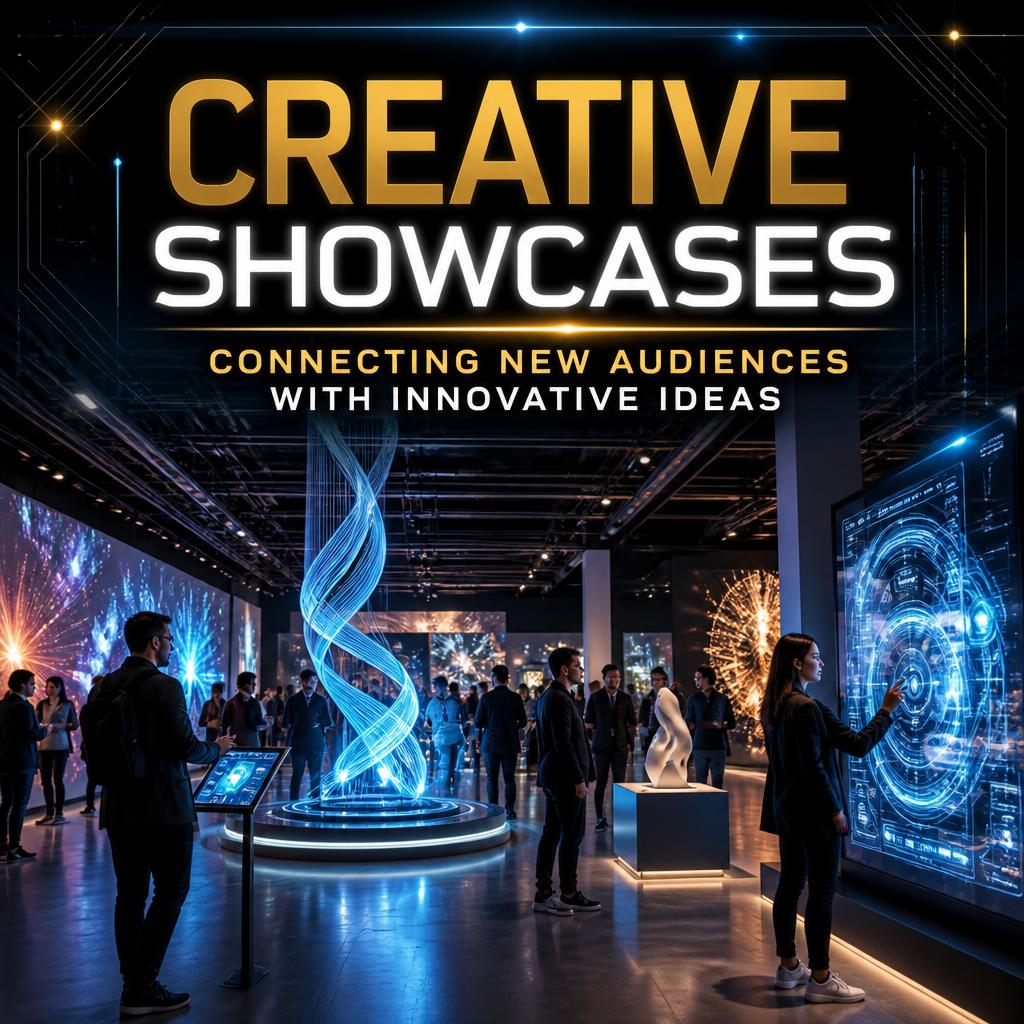
artitudesgallery.com – Creative Showcases That Connect New Audiences With Innovative Ideas are becoming an important way for creators, organizations, and communities to share fresh perspectives with the world. Modern exhibitions and events are no longer just about displaying objects in a room; they are immersive experiences where art, technology, culture, and storytelling meet to create meaningful connections. From small local gatherings to international creative festivals, these platforms help unique ideas reach people who may never have discovered them otherwise.
The Growing Role of Creative Exhibitions in Modern Culture
Creative exhibitions have changed significantly over the years. Traditionally, galleries and events focused mainly on presenting finished works, but today’s audiences expect more interaction, emotional connection, and memorable experiences.
A successful exhibition combines visual design, storytelling techniques, and audience participation. Visitors are not only observers but also active participants who explore concepts, share opinions, and create personal memories.
This transformation has made exhibitions valuable tools for artists, entrepreneurs, designers, and cultural organizations that want to introduce new ideas to wider communities.
Understanding How Events Bring Ideas Closer to New Audiences
What Makes an Exhibition Truly Engaging?
An engaging exhibition focuses on creating a journey rather than simply showing information. Every element, from lighting and layout to digital features and presentation style, influences how visitors understand the message behind the event.
Creative organizers often use experiential design to build environments that stimulate curiosity. This approach considers human emotions, movement patterns, and sensory responses to make the experience more powerful.
For example, an interactive technology exhibition may allow visitors to test new inventions, while an art event may encourage people to contribute their own interpretations.
Who Benefits From Creative Events?
Creative events benefit many groups, including:
- Artists who gain exposure and opportunities to connect with audiences.
- Businesses that introduce innovative products and concepts.
- Communities that celebrate local talent and cultural identity.
- Visitors who discover inspiration and new knowledge.
These events create a bridge between creators and people who might otherwise never encounter their work.
Where Creative Exhibitions Are Finding New Opportunities
Today, creative exhibitions appear in many different locations. Traditional museums and galleries remain popular, but unexpected spaces are also becoming creative destinations.
Urban areas often transform warehouses, outdoor spaces, historical buildings, and public areas into temporary exhibition venues. This approach creates a sense of discovery because audiences experience creativity in places they do not normally associate with art.
Digital platforms have also expanded possibilities. Virtual exhibitions, online showcases, and hybrid events allow creators to reach international audiences without geographical limitations.
The Importance of Storytelling in Audience Connection
Why Stories Make Exhibitions More Memorable
People naturally connect with stories. A collection of objects or images becomes more meaningful when visitors understand the background, purpose, and emotions behind them.
Strong storytelling helps audiences answer important questions:
- Why was this creation made?
- Who inspired the idea?
- What problem does it solve?
- How does it relate to everyday life?
Many successful exhibitions use narrative architecture, a concept where the physical arrangement of an event guides visitors through a carefully designed story.
Instead of moving randomly from one display to another, visitors experience a structured journey that creates stronger emotional engagement.
Technology Transforming the Future of Creative Events
Technology continues to reshape how exhibitions are created and experienced. Tools such as augmented reality (AR), virtual reality (VR), artificial intelligence, and interactive displays provide new ways for audiences to participate.
For example, AR applications can add digital information to physical displays, allowing visitors to explore additional layers of content through smartphones or smart devices.
Creators are also using data analytics to understand visitor behavior. These insights help organizers improve layouts, personalize experiences, and design events that better match audience expectations.
The combination of creativity and technology has opened opportunities for more inclusive and accessible experiences. People from different backgrounds can now engage with creative content in ways that fit their preferences.
Exhibitions and Events Bringing Creative Ideas To New Audiences Through Innovative Approaches
Many organizations now focus on making exhibitions more accessible, interactive, and community-driven. Exhibitions and Events Bringing Creative Ideas To New Audiences represent a movement where creativity is shared beyond traditional spaces and reaches people through unique experiences.
These events often include workshops, live demonstrations, discussions, and collaborative projects. By encouraging participation, organizers create stronger relationships between creators and audiences.
A modern exhibition is not simply a place where people look at something. It becomes a platform where conversations begin, ideas develop, and new possibilities emerge.
How Creative Events Support Emerging Talent
Creating Opportunities for New Creators
Emerging artists and innovators often struggle to gain visibility. Exhibitions provide a valuable platform where they can introduce their work and build professional connections.
Many creative events include special sections dedicated to young creators, independent designers, and experimental projects. These opportunities allow fresh voices to compete with established names and bring different viewpoints into the spotlight.
Exposure from exhibitions can lead to collaborations, partnerships, and future career growth.
Building Stronger Creative Communities
Beyond individual success, exhibitions help develop creative ecosystems. When people gather around shared interests, they exchange knowledge and encourage innovation.
Communities formed through these events often continue working together after the exhibition ends. This long-term impact helps maintain creativity and supports future projects.
The Future Direction of Exhibitions and Events
The future of exhibitions will likely focus on deeper audience involvement, sustainability, and personalized experiences.
Environmental awareness is becoming an important consideration, with many organizers adopting eco-friendly materials, reusable structures, and responsible event planning.
Meanwhile, personalized digital experiences may allow visitors to explore exhibitions based on their interests. Instead of following a single path, audiences may receive customized recommendations that create unique journeys.
As technology and creativity continue to evolve, exhibitions will become even more dynamic spaces for learning, inspiration, and connection.
Final Thoughts on Creative Connections Through Public Experiences
Creative exhibitions and events continue to prove that ideas become more powerful when they are shared with others. They create opportunities for discovery, encourage conversations, and introduce innovative concepts to wider communities. Through thoughtful design, storytelling, and modern technology, these experiences transform ordinary visits into meaningful memories. Creative Showcases That Connect New Audiences With Innovative Ideas will continue shaping how people experience creativity, culture, and inspiration in the years ahead.