Discover the latest innovations, audience behaviors, and strategies shaping successful exhibitions and events worldwide.
Why Exhibitions & Events Matter More Than Ever
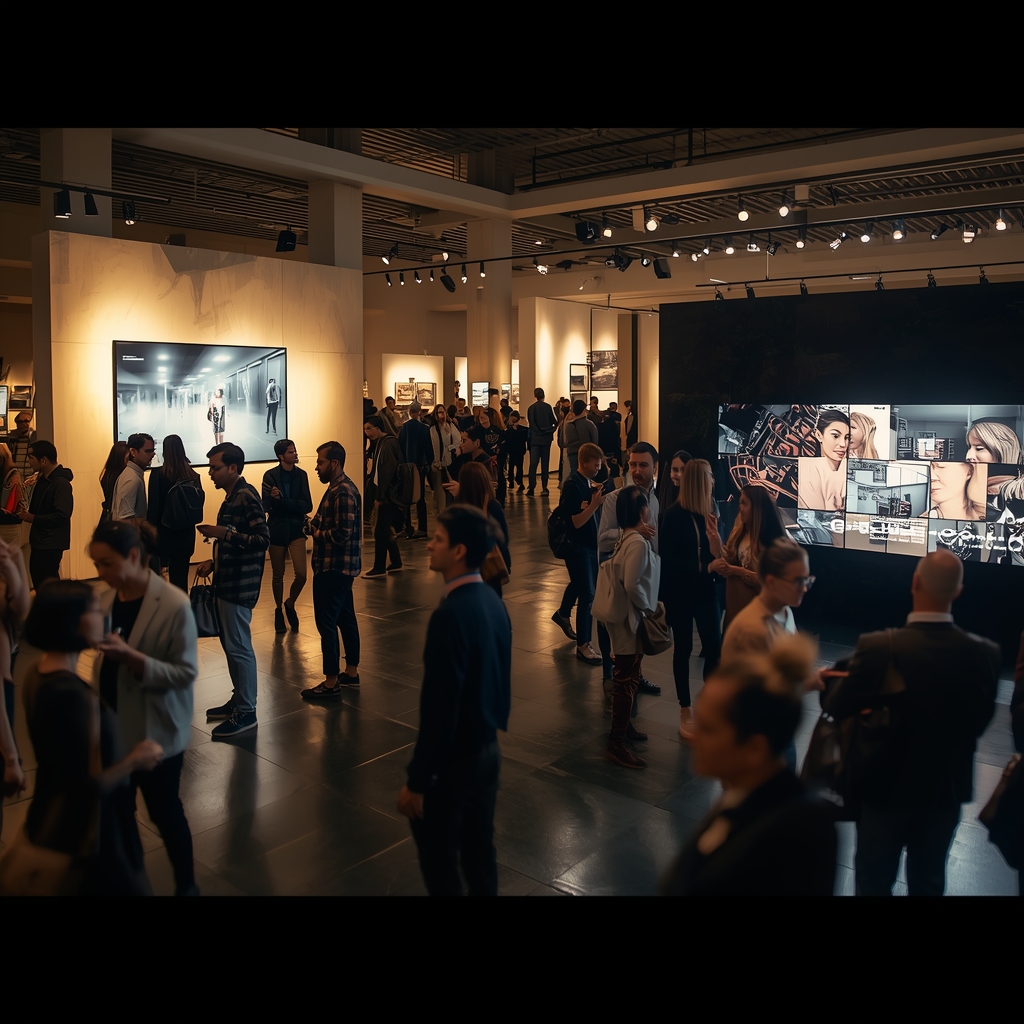
artitudesgallery – Exhibitions & Events Trends: How Live Experiences Are Evolving Fast reflects a growing shift in how organizations connect with audiences. While digital marketing continues to expand, face-to-face experiences remain one of the most effective ways to build trust, showcase products, and create memorable interactions.
Today, businesses, artists, educators, and industry leaders use exhibitions and events to engage people in ways that online platforms cannot fully replicate. As a result, the demand for creative and immersive experiences continues to rise.
What Are Modern Exhibitions and Events?
Modern exhibitions and events are organized gatherings designed to inform, entertain, promote, or educate attendees.
Common Types of Events
These include:
- Trade shows
- Art exhibitions
- Business conferences
- Product launches
- Cultural festivals
- Networking events
- Educational seminars
Each format serves a different audience while delivering unique opportunities for engagement and growth.
Who Benefits From Attending?
Participants may include:
- Business owners
- Industry professionals
- Artists and creators
- Students and educators
- Consumers seeking new products
Because of this diversity, event organizers must carefully tailor experiences to their target audiences.
The Rise of Experience-Driven Events
Traditional booth displays are no longer enough. Visitors increasingly seek interactive and memorable experiences.
Hands-On Demonstrations
Live demonstrations allow attendees to experience products directly. This approach builds confidence and encourages deeper engagement.
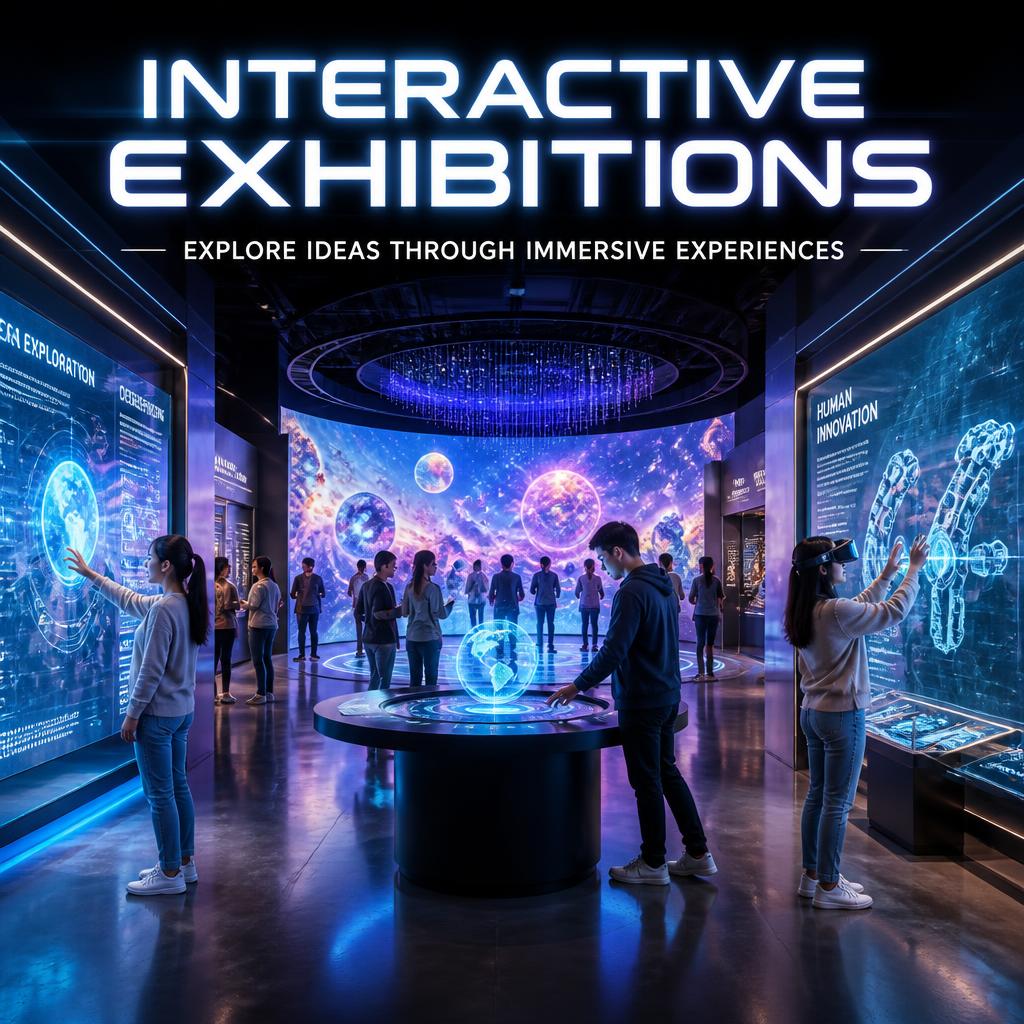
Immersive Environments
From digital projections to themed spaces, immersive environments help transform ordinary events into unforgettable experiences.
Technology Is Reshaping the Event Industry
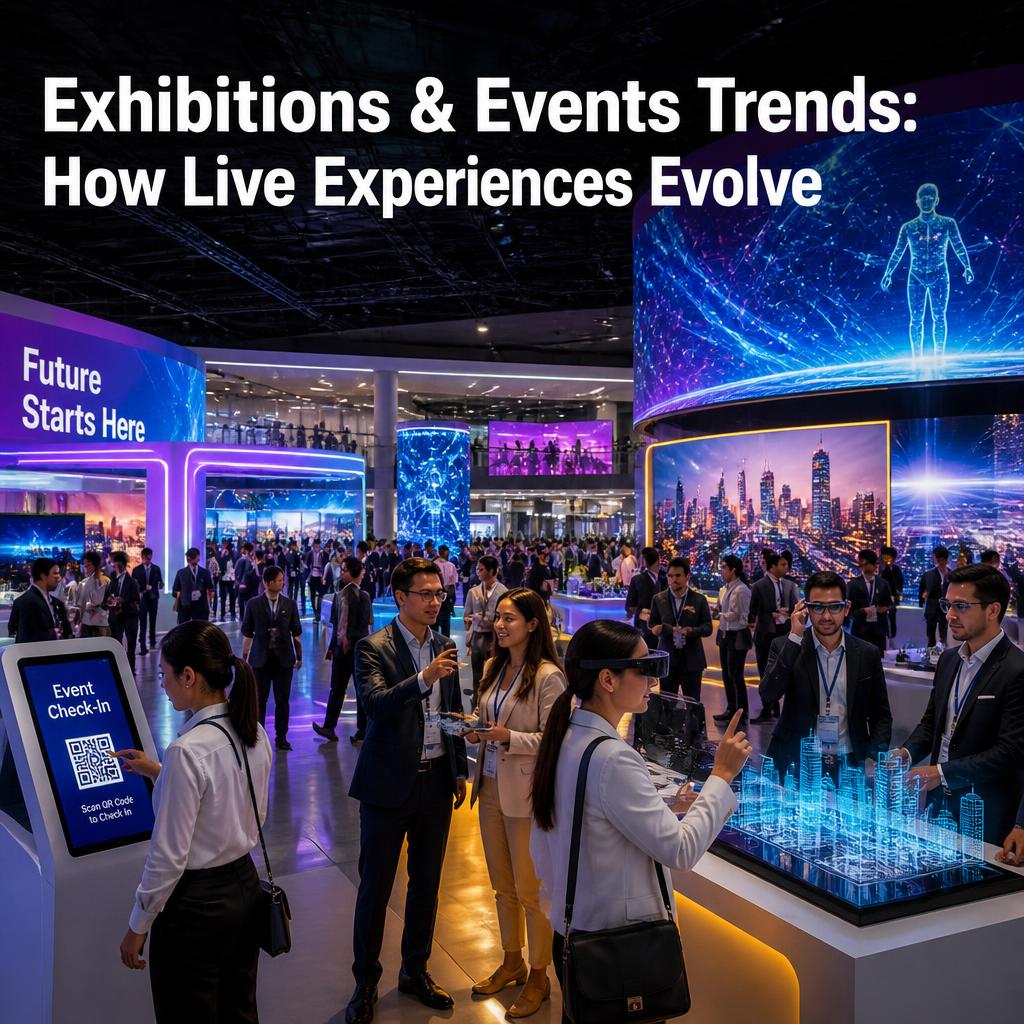
Technology now plays a central role in successful exhibitions and events.
Smart Event Applications
Mobile apps provide schedules, maps, networking tools, and real-time updates, making navigation easier for attendees.
Virtual and Hybrid Experiences
Hybrid events combine physical and online participation. Consequently, organizers can reach global audiences without geographical limitations.
Artificial Intelligence Integration
AI-powered systems assist with attendee recommendations, registration management, and personalized event experiences.
Where Are Major Exhibitions Taking Place?
Major exhibitions occur worldwide in convention centers, galleries, hotels, and public venues.
Popular destinations include:
- North America
- Europe
- Asia-Pacific regions
- Middle Eastern business hubs
These locations attract international participants, creating valuable networking opportunities across industries.
How Businesses Maximize Event Success
Successful participation requires more than simply reserving a booth.
Strategic Planning
Businesses should define clear goals before attending. Whether generating leads, launching products, or increasing brand awareness, measurable objectives improve outcomes.
Audience Engagement
Interactive displays, educational sessions, and personalized conversations help attract visitors and keep them engaged longer.
Post-Event Follow-Up
Many opportunities are lost when organizations fail to follow up. Prompt communication helps convert event interactions into long-term relationships.
A valuable resource for marketers seeking growth opportunities is professional event marketing strategies, which can support stronger audience engagement and lead generation.
Sustainability Is Becoming a Priority
Environmental responsibility is now influencing event planning decisions.
Eco-Friendly Materials
Organizers increasingly use recyclable signage, digital brochures, and reusable display components.
Waste Reduction Initiatives
Reducing printed materials and minimizing single-use products helps lower environmental impact while improving brand reputation.
Why Networking Remains a Key Attraction
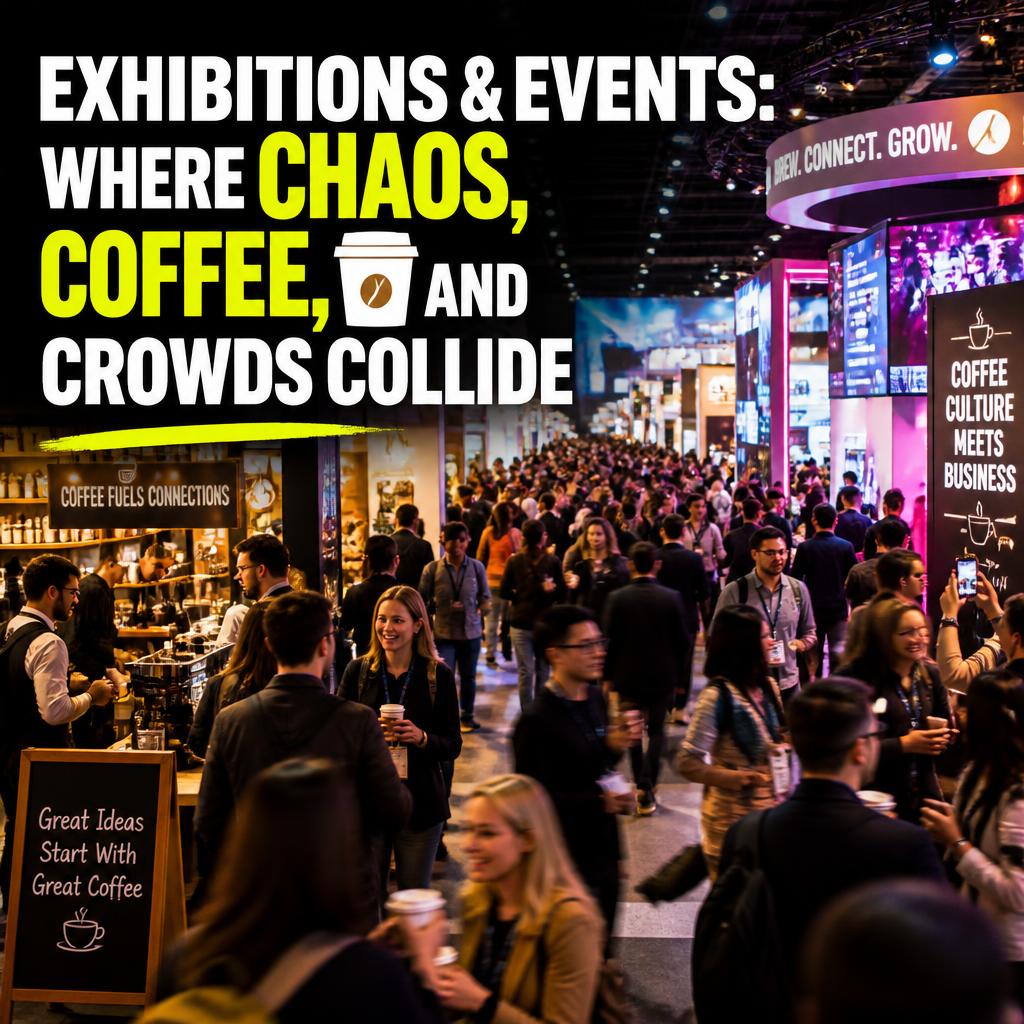
One major reason people attend exhibitions and events is networking.
Face-to-face conversations often create stronger connections than online communication. Whether attendees seek partnerships, clients, investors, or career opportunities, networking remains one of the most valuable aspects of any event.
Emerging Trends Shaping Future Events
Several developments are expected to influence future exhibitions and events.
Personalized Experiences
Attendees increasingly expect content tailored to their interests and professional goals.
Data-Driven Decision Making
Event organizers use analytics to understand visitor behavior and improve future events.
Interactive Content
Gamification, live polls, and augmented reality experiences continue to increase audience participation.
Common Challenges Event Organizers Face
Despite many opportunities, organizers encounter several challenges.
Budget Management
Balancing creativity with financial constraints requires careful planning and resource allocation.
Audience Retention
Keeping attendees engaged throughout an event demands innovative programming and valuable content.
Competition
As more events enter the market, organizers must continuously differentiate their offerings.
FAQ About Exhibitions & Events
What is the main purpose of exhibitions and events?
Their primary purpose is to connect people, showcase products or ideas, and create opportunities for learning, networking, and business growth.
When should businesses participate in exhibitions?
Businesses should participate when events align with their target audience, industry goals, and marketing objectives.
How can attendees get the most value from an event?
Planning schedules in advance, attending educational sessions, and networking actively can significantly improve the experience.
Are virtual events replacing physical exhibitions?
No. Virtual events complement physical gatherings, but many attendees still value in-person interactions and hands-on experiences.
Why are hybrid events becoming popular?
Hybrid formats expand accessibility by allowing both on-site and remote participation, increasing overall audience reach.
The future of Exhibitions & Events Trends: How Live Experiences Are Evolving Fast lies in creating meaningful, technology-enhanced, and audience-focused experiences. Organizations that embrace innovation, prioritize engagement, and adapt to changing attendee expectations will remain competitive in an increasingly dynamic event landscape. As exhibitions and events continue to evolve, they will remain powerful platforms for connection, education, and business growth.