The Rise of Pop-Up Exhibitions Inside Forgotten Spaces
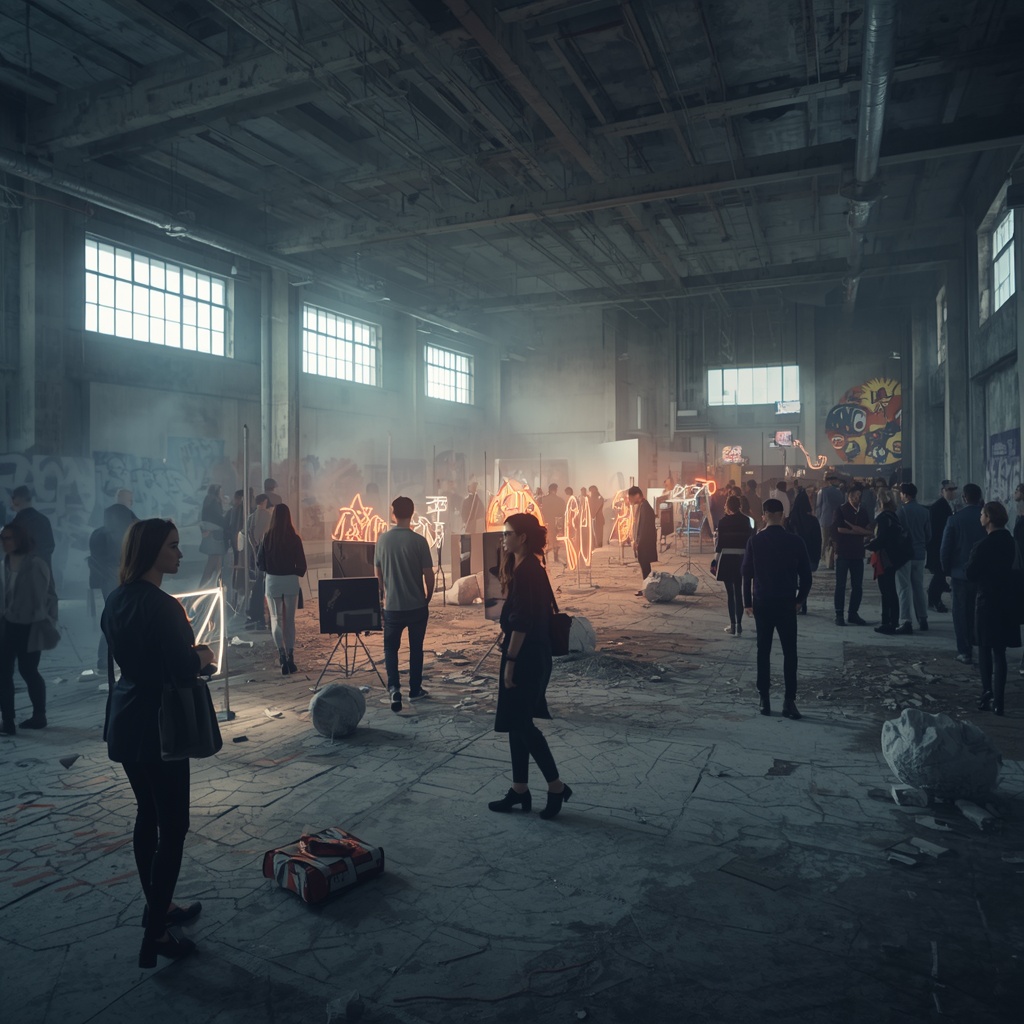
Pop-Up Exhibitions Inside Abandoned Buildings Are Trending because people are tired of predictable galleries and polished white walls. Instead, artists, curators, photographers, and creative brands now search for raw, emotional spaces that instantly create atmosphere. Empty factories, abandoned schools, unused train stations, and forgotten warehouses suddenly become immersive art destinations filled with light projections, music, sculptures, and interactive experiences.
This trend keeps growing across major cities because it blends urban exploration, modern art, architecture, and social media culture into one unforgettable experience. Visitors no longer want to simply “look” at art. They want to feel it, record it, and share it online.
As a result, abandoned buildings have transformed from neglected spaces into cultural hotspots almost overnight. – artitudesgallery
What Makes These Exhibitions Different From Traditional Galleries?
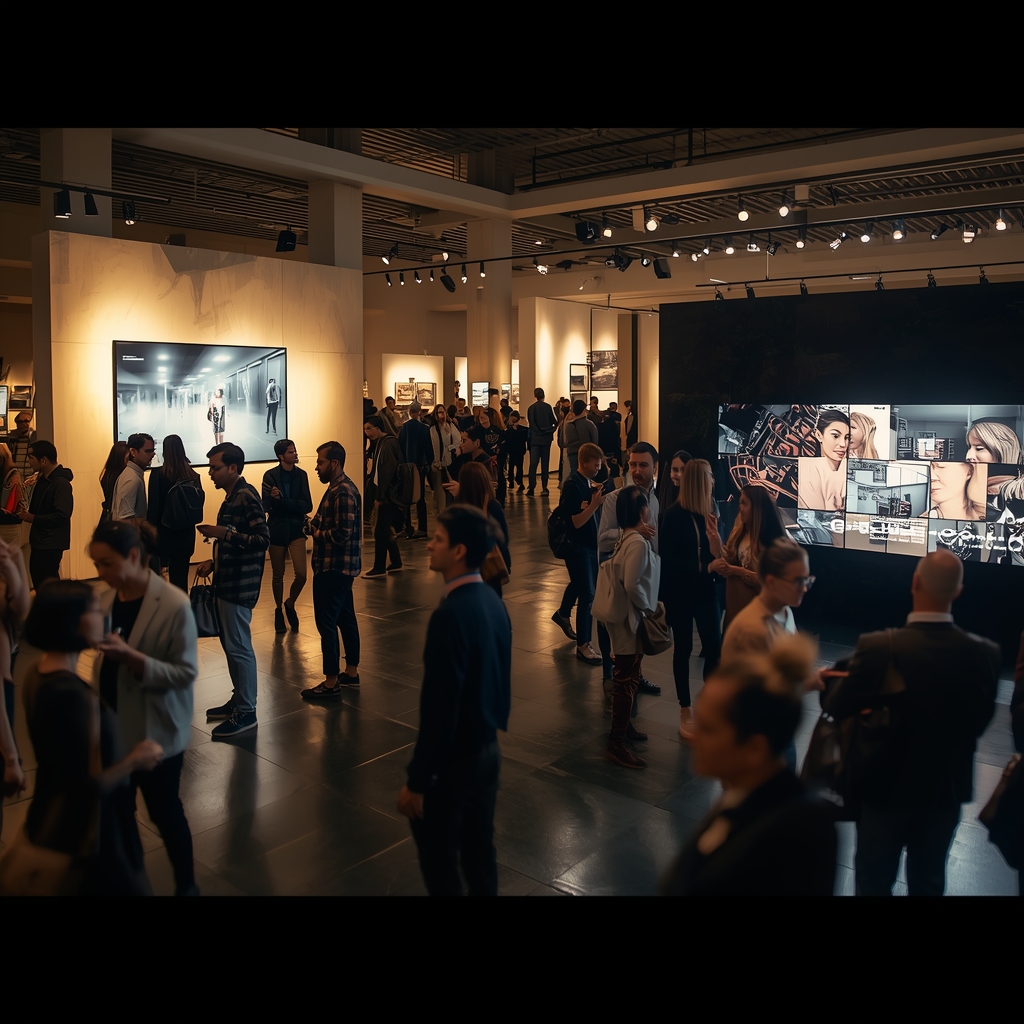
Traditional galleries often feel formal and distant. Meanwhile, abandoned-building exhibitions feel alive, chaotic, and emotionally intense.
Instead of silent rooms with framed artwork, visitors might discover:
- Neon installations inside broken hallways
- Digital projections on cracked concrete walls
- Live music echoing through empty factories
- Sculptures surrounded by rusted machinery
- Interactive rooms with smoke, mirrors, and sound effects
The environment itself becomes part of the artwork.
That is exactly why these events attract younger audiences searching for something more immersive and less conventional.
Why Abandoned Buildings Create Strong Emotional Impact
The Atmosphere Feels Raw and Authentic
Abandoned spaces naturally contain history, decay, and mystery. Peeling paint, shattered windows, and old industrial textures create visual depth that modern galleries simply cannot replicate.
Artists use these imperfections to enhance emotional storytelling.
For example, an exhibition about climate anxiety inside a deteriorating warehouse instantly feels more powerful than the same artwork displayed in a clean museum.
The location amplifies the message.
Visitors Feel Like Urban Explorers
Another reason the trend exploded is the feeling of discovery. Many visitors describe these exhibitions as entering a hidden world.
People love experiences that feel secretive or temporary because they create urgency and exclusivity. When someone hears about an underground art event happening for only three nights inside an abandoned hotel, curiosity immediately takes over.
This combination of art and adventure keeps audiences engaged longer.
Social Media Helped This Trend Explode
Instagram and TikTok Changed Exhibition Culture
Platforms like Instagram and TikTok completely changed how people experience public art.
Today, visual impact matters as much as the artwork itself.
That is why exhibition organizers now prioritize:
- Dramatic lighting
- Interactive mirrors
- Massive installations
- Projection mapping
- Cinematic hallways
- Rooftop viewing areas
These elements encourage visitors to create videos and photos naturally.
In many cases, social media becomes free marketing for the event.
Viral Architecture Creates Curiosity
People online love contrasts. A luxury fashion installation inside a ruined warehouse immediately grabs attention because it feels unexpected.
This visual contradiction creates strong engagement online.
As a result, abandoned buildings become perfect content engines for:
- fashion campaigns
- independent artists
- music launches
- NFT showcases
- immersive theater
- underground cultural festivals
Who Is Driving This Movement?
Independent Artists and Creative Communities
Many independent artists cannot afford expensive gallery spaces. Renting abandoned properties temporarily often costs less while providing more creative freedom.
Because of that, underground art communities increasingly organize collaborative exhibitions in forgotten urban spaces.
These creators usually include:
- photographers
- mural artists
- installation designers
- digital artists
- sound engineers
- filmmakers
- performance artists
The result feels more experimental and less commercial.
Brands Are Entering the Scene Too
Large fashion and lifestyle brands also noticed the popularity of industrial-style exhibitions.
Brands now use abandoned spaces for:
- product launches
- exclusive previews
- immersive campaigns
- influencer events
- limited-time experiences
The rough architecture creates a cinematic atmosphere that feels modern and edgy.
Even luxury brands increasingly prefer unfinished industrial aesthetics over traditional venues.
Where Are These Exhibitions Becoming Popular?
Major Cities Lead the Trend
Urban centers with old industrial districts have become ideal locations for pop-up exhibitions.
Cities frequently associated with this movement include:
- Berlin
- London
- New York City
- Tokyo
- Paris
- Jakarta
These cities already contain abandoned industrial structures perfect for artistic transformation.
Additionally, younger audiences in urban areas actively seek alternative entertainment experiences.
Smaller Cities Are Following Quickly
Interestingly, the trend is no longer limited to global capitals.
Smaller cities now convert:
- empty malls
- closed cinemas
- unused churches
- old hospitals
- abandoned train depots
into temporary cultural attractions.
This shift helps revive neglected neighborhoods while supporting local artists simultaneously.
Why Younger Audiences Love Temporary Experiences
Scarcity Creates Excitement
People value experiences more when they know they will disappear soon.
A pop-up exhibition lasting only one weekend automatically feels more special than a permanent gallery exhibition.
This temporary nature creates:
- urgency
- exclusivity
- stronger word-of-mouth marketing
- higher social media engagement
Visitors feel they are part of something rare.
Experiences Matter More Than Ownership
Modern audiences increasingly prioritize experiences over physical possessions.
Instead of buying expensive items, many people prefer:
- immersive events
- creative festivals
- unique travel experiences
- underground concerts
- interactive exhibitions
Pop-up art spaces perfectly match this lifestyle shift.
The Role of Lighting, Sound, and Technology
Modern Technology Makes Old Spaces Feel Futuristic
Technology transformed abandoned buildings into immersive environments.
Exhibitions now frequently include:
- projection mapping
- AI-generated visuals
- synchronized audio systems
- LED installations
- holographic effects
- motion-sensitive artwork
These technologies create dramatic contrast against deteriorating architecture.
The mix of decay and futurism feels visually unforgettable.
Sound Design Changes Everything
Sound plays a huge role inside abandoned structures because empty spaces naturally produce echoes and atmosphere.
Curators intentionally use:
- ambient music
- industrial sounds
- cinematic bass
- spoken-word recordings
to create emotional immersion.
Visitors do not simply walk through the exhibition. They experience it physically.
Are There Risks Behind This Trend?
Safety Remains a Serious Concern
Despite the artistic appeal, abandoned buildings can be dangerous.
Organizers must carefully inspect:
- structural stability
- electrical systems
- emergency exits
- air quality
- fire hazards
Professional event teams often renovate sections temporarily to meet safety regulations.
Without proper preparation, these spaces can become hazardous quickly.
Legal Challenges Also Exist
Not every abandoned building is legally available for public events.
Some organizers face challenges involving:
- permits
- insurance
- ownership disputes
- neighborhood complaints
Because of this, successful exhibitions usually require collaboration between artists, property owners, and city authorities.
How This Trend Is Changing Urban Culture
Forgotten Buildings Gain New Purpose
One fascinating aspect of this movement is urban revitalization.
Buildings once considered useless suddenly attract:
- tourism
- local business traffic
- media attention
- cultural investment
In some cases, temporary exhibitions eventually inspire permanent redevelopment projects.
Art becomes the first step toward neighborhood transformation.
Communities Become More Connected
Pop-up exhibitions also encourage social interaction.
Visitors often:
- meet local artists
- join workshops
- attend live performances
- participate in discussions
- support independent creators
This community-focused atmosphere feels more personal than traditional museums.
The Future of Pop-Up Exhibitions Inside Abandoned Buildings
Immersive Art Will Continue Expanding
The popularity of immersive experiences shows no sign of slowing down.
Future exhibitions will likely combine:
- virtual reality
- AI interaction
- live performance
- cinematic storytelling
- sensory installations
inside increasingly unusual urban locations.
As audiences continue searching for memorable experiences, abandoned spaces will remain attractive creative playgrounds.
Why Pop-Up Exhibitions Inside Abandoned Buildings Are Becoming the Hottest Urban Art Trend comes down to emotion, atmosphere, and experience. These exhibitions transform forgotten architecture into immersive cultural spaces filled with creativity, storytelling, technology, and social interaction. Instead of polished gallery rooms, visitors now crave raw environments that feel authentic, temporary, and visually unforgettable.
From underground warehouses in Berlin to hidden industrial spaces in Jakarta, this movement continues reshaping how people experience modern art. As technology evolves and audiences demand deeper emotional engagement, pop-up exhibitions inside abandoned buildings will likely become even bigger in the years ahead.